



Surgeons Perform Cedars-Sinai’s First HIV-to-HIV Organ Transplants
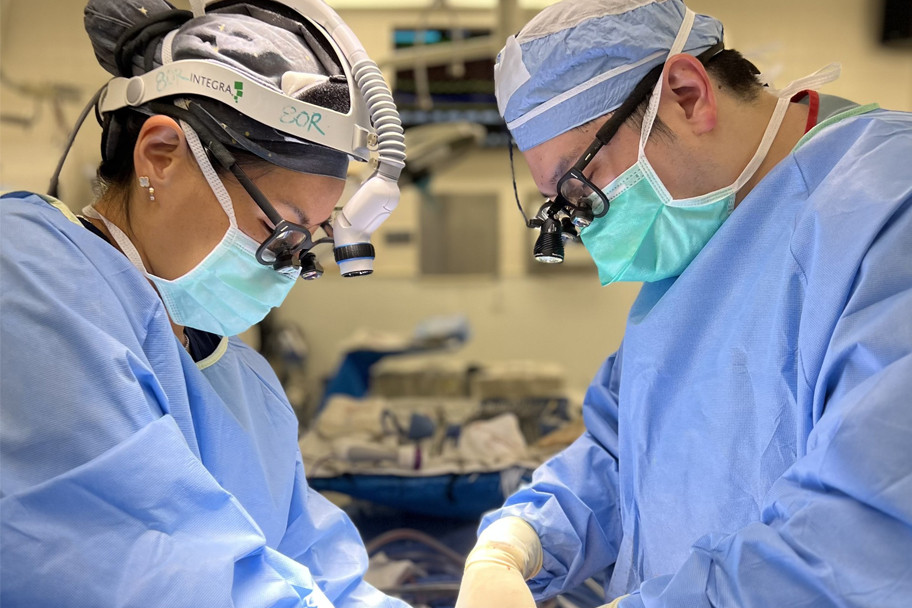
Cedars-Sinai’s New HIV-to-HIV Transplant Program Significantly Cut Transplant Wait Times for HIV-Positive Patients
The Cedars-Sinai Comprehensive Transplant Center recently performed the institution’s first kidney and liver transplants in which organs from deceased donors with human immunodeficiency virus (HIV) were transplanted into recipients who also have HIV—an approach that can significantly shorten the wait for a lifesaving organ.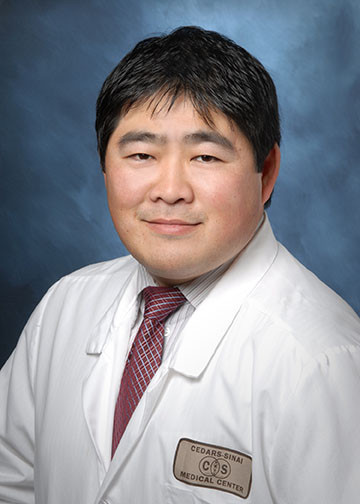
The HIV-positive patient who received Cedars-Sinai’s first HIV-positive donor kidney had previously been listed on the waitlist for more than two years and was not expected to receive an organ offer in the near future. Once listed on the HIV-positive organ list, the patient received an organ offer in less than a week.
This patient and the first HIV-positive liver recipient are doing well following their transplants, which were made possible by the Comprehensive Transplant Center’s new HIV-to-HIV transplant program, currently the only-of-its-kind in the Los Angeles area.
“We brought together a team of liver and kidney transplant surgeons, nephrologists, hepatologists, transplant pharmacists, infectious disease experts, transplant coordinators and more to launch this program,” said transplant surgeon Tsuyoshi Todo, MD, who served as the lead surgeon on both the first HIV-to-HIV-positive kidney and HIV-to-HIV-positive liver transplant at Cedars-Sinai.
New HOPE for Transplant Recipients
Cedars-Sinai’s HIV-to-HIV transplant program represents a dramatic shift from just over a decade ago, when federal law prohibited organs from donors with HIV from being transplanted into any patient, including those where were also HIV-positive.
That changed in 2013 with the passage of the HIV Organ Policy Equity (HOPE) Act, which allowed clinical researchers to study HIV-to-HIV transplants. After years of research documented the safety and effectiveness of HIV-to-HIV transplants, the rule was amended in 2024, removing the strict research requirements, and Cedars-Sinai quickly formed a multidisciplinary committee of experts to bring the institution’s HIV-to-HIV program to life.
“Everyone has an important role to play to help patients through this process,” Todo said.
Support for HIV-Positive Patients
Thanks to advances in antiretroviral therapy, people with HIV are living significantly longer and healthier lives, which opens the chance they experience end organ failure due to other comorbidities.
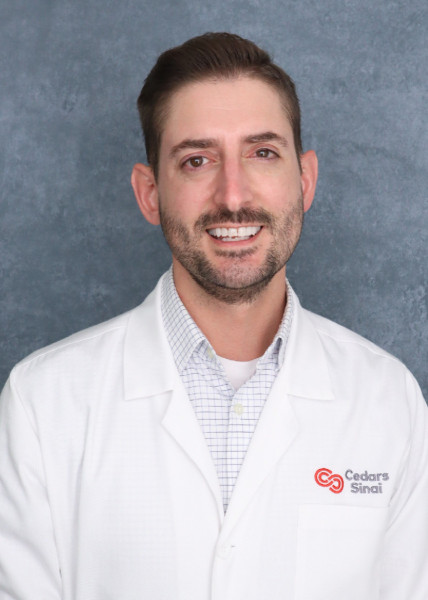 “The vast majority of patients we see living with HIV have their disease well controlled, often with only one pill a day and minimal side effects,” said Christopher Foltz, MD, lead infectious disease specialist for the HIV-to-HIV transplant program at Cedars-Sinai. “In a sense, it’s almost become easier to manage HIV than it is other chronic conditions like hypertension and diabetes.”
Foltz connects with every potential HIV-positive organ recipient as a pre-evaluation to ensure their HIV is managed and, working with Cedars-Sinai pharmacists, determines whether there are any changes that will need to be made to their HIV medication regimen once they are also taking post-transplant immunosuppressant drugs. He also closely follows each patient after their transplant to monitor their HIV viral load and ensure it remains undetectable.
“The first six months post-transplant is when the immune system is being hit the hardest,” Foltz said. “We will monitor the patient’s HIV closely during this time, but eventually, they’ll be able to get back to monitoring once or twice a year, like they would have been doing before.”
Foltz hopes this program encourages more people to register as organ donors as well.
“If you were to ask most people living with HIV, they probably would assume they’re not eligible to be an organ donor, but that is no longer the case,” Foltz said. “Organ donations are lifesaving, and I think it can be really uplifting to them to know they can support others in their community in this way.”
Reduced Wait Times
More than 95,000 patients are on the kidney transplant waitlist, according to data from the Health Resources & Services Administration (HRSA). Most people will wait three to five years for a deceased donor kidney, but that time frame can significantly increase in densely populated areas with a higher demand.
 “In Southern California, many patients are actually looking at eight to 10 years on the transplant waitlist, but for HIV-positive patients, being listed on a separate list for HIV-positive donor organs can drastically reduce their wait,” Todo said. “This translates to several years that these patients will not have to be on dialysis, not only getting them back to their normal life more quickly, but also saving hundreds of thousands of taxpayer dollars.”
While patients with kidney failure can live many years on dialysis, there is no similar treatment for patients with liver failure. These patients are listed on the transplant waitlist based on their Model for End-Stage Liver Disease (MELD) score, a number from six to 40 that predicts a patient’s risk of death from liver failure in three months.
“Patients in the Los Angeles area will typically need to have a MELD score in the low 30s in order to receive a transplant, but by accepting an HIV-positive organ that would have otherwise gone to waste, our HIV-positive patient was able to be transplanted with a much lower score,” Todo said. “In the standard circumstance, they would have had to wait significantly longer and get much sicker before receiving an organ.”
Looking Toward the Future
With the first few HIV-to-HIV transplants successfully completed, the team looks forward to making this option available to more HIV-positive patients moving forward.
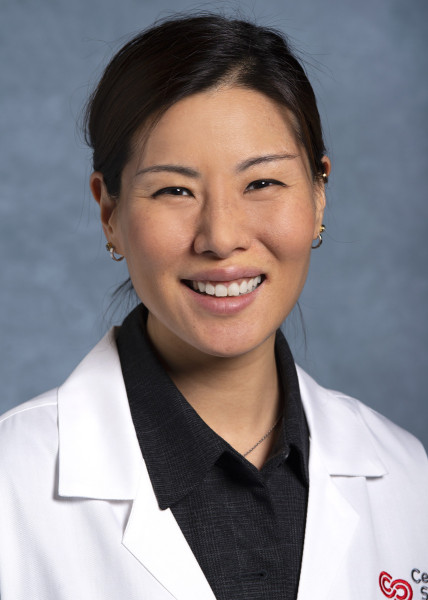
“At Cedars-Sinai, we strive to be on the leading edge of medical innovation to provide outstanding patient care and support to as many patients as possible, and our HIV-to-HIV transplant program is an example of that effort,” said Irene Kim, MD, director of the Cedars-Sinai Comprehensive Transplant Center. “To be able to transplant more individuals and help them live longer, healthier lives is an honor.”
Read more from Cedars-Sinai Stories and Insights—Being Patient: The Delicate Timing of Organ Transplantation