


NIH Awards Cedars-Sinai More Than $12 Million for Pulmonary Fibrosis Research
Investigators Aim to Uncover the Biological Processes Leading to Lung Damage After Viral Infections
The National Institutes of Health have awarded Cedars-Sinai more than $12 million to find out how viral infections cause lung scarring that does not heal.
Over the course of five years, investigators will work to identify the molecular interactions that trigger lung scarring, which is known as pulmonary fibrosis. Drugs can slow the progression of lung damage in people with pulmonary fibrosis, but they cannot repair damage that has already occurred.
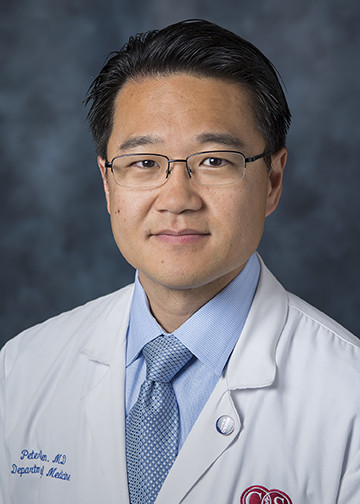 “By studying the processes that cause the initial lung damage after viral infection, we can identify diagnostic markers for early disease or find new therapeutic pathways to halt serious lung disease,” said Peter Chen, MD, director of Pulmonary and Critical Care Medicine at Cedars-Sinai and principal investigator of the research initiative. “We trust this major grant will advance scientific knowledge and help improve outcomes for patients with pulmonary fibrosis.”
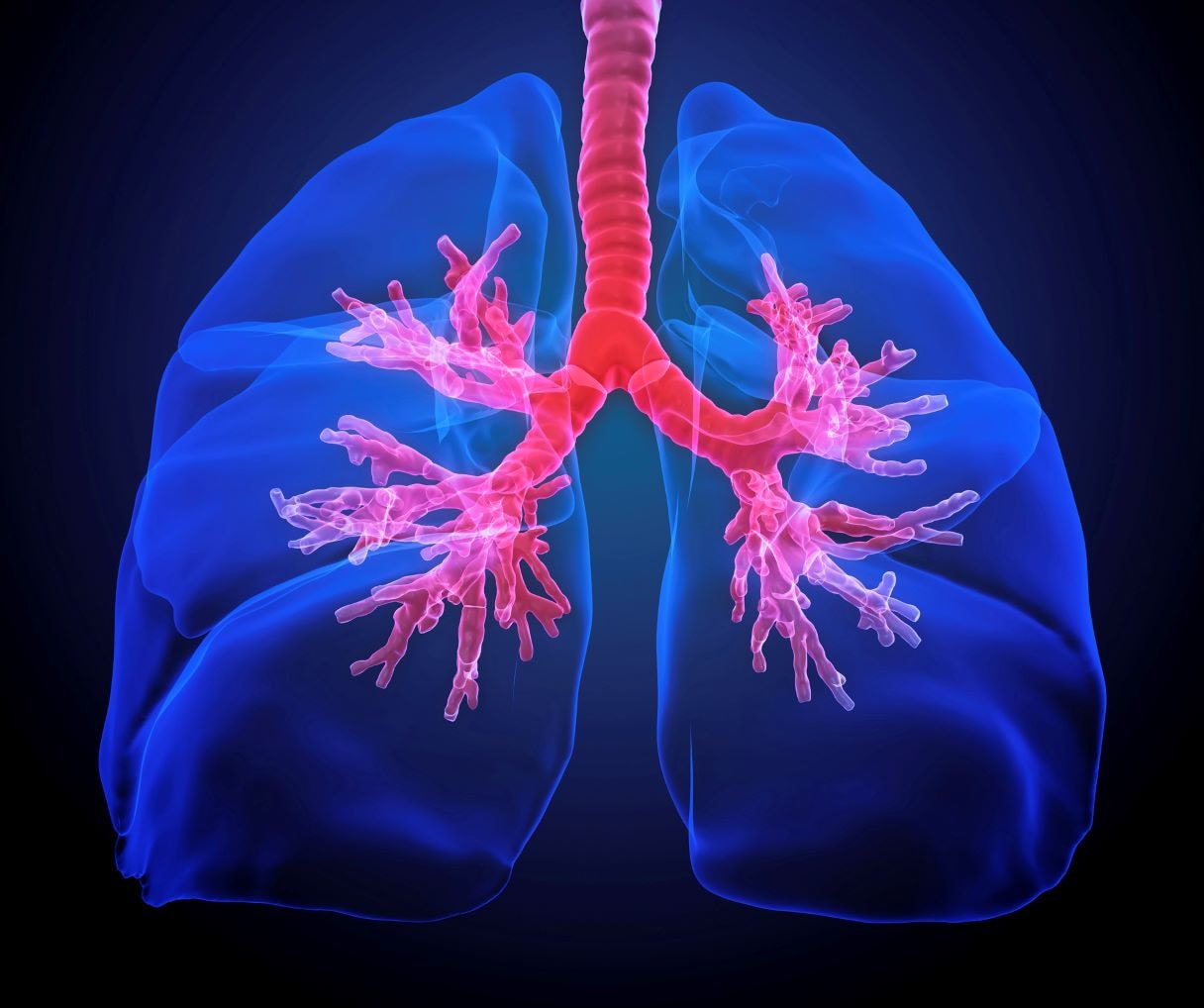
Chen said respiratory infections such as the flu, pneumonia and COVID-19 can cause long-lasting lung damage. They primarily do this by attacking the alveoli, the tiny sacs at the end of breathing tubes that help blood exchange oxygen and carbon dioxide. Viral infections can make it difficult for the alveoli to repair themselves.
“We want to know how cumulative viral infections over our lifetime may make certain people more vulnerable than others to pulmonary fibrosis,” Chen said. “It could be that a combination of viral infections and other factors such as genetics, behavior and environmental exposures increase individual risk.”
The grant, awarded by the National Heart, Lung, and Blood Institute, will fund 12 investigators working on three research projects and four shared resource units known as research cores.
The projects will be carried out by:
- A team at Cedars-Sinai, led by Chen, that will focus on how viruses reprogram lung stem cells in ways that alter their regenerative ability and make lungs more vulnerable to scarring
- A team at the University of Virginia, led by Jie Sun, PhD, that will work to uncover how the body’s immune response creates a lung microenvironment that promotes the development of lung fibrosis
- A team at Cedars-Sinai, led by Research Assistant Professor Xue Liu, PhD, that will study how cell signaling in viral-damaged lungs causes healthy lung cells to become scar-forming cells
The work builds on previous research in laboratory mice led by Chen and Sun. That research described a pathway by which immune cells prevent the lungs from healing after viral infections.
“With these new studies, we hope to identify a measurable process in the body that can help doctors detect early signs of lung scarring in their patients,” said Sun, the Harrison Distinguished Teaching Professor of Medicine at the University of Virginia.
Read more from Cedars-Sinai Stories and Insights: Pulmonary Expert to Be Honored for Scientific Accomplishments