



Research Tip Sheet: Prostate Cancer Risks and ‘Buzzy’ Research
The Latest Advances From Cedars-Sinai Investigators
 Health Risks of Prostate Cancer Therapy Are Similar Across Races
Prostate cancer patients of all racial groups face roughly the same excess risk of developing heart and bone problems when they are treated with androgen deprivation therapy, according to a study led by Cedars-Sinai. The findings, published in JAMA Network Open, support a uniform approach to counseling and monitoring these patients.
Roughly 1 in 8 men will be diagnosed with prostate cancer during their lifetime, according to the American Cancer Society. Androgen deprivation therapy, which blocks the production or action of male hormones that drive prostate cancer, is widely used to treat cancers that have spread outside the prostate.
“While androgen deprivation is an important tool for fighting prostate cancer, numerous studies have found that it also raises the risk of developing bone fractures, osteoporosis, heart attacks, strokes, coronary heart disease, congestive heart failure and peripheral vascular disease,” said Nadine A. Friedrich, MD, a postdoctoral scientist in the Department of Urology at Cedars-Sinai and corresponding author of the study. “We wanted to learn whether these excess risks from androgen deprivation vary by race.”
Investigators reviewed the electronic health records of more than 790,000 patients in the nationwide Veterans Affairs Health Care System who were diagnosed with prostate cancer from 2001 to 2021. The data showed that androgen deprivation therapy was associated with increased cardiovascular and bone risks across all racial groups. There were differences in certain risks between Black and white patients, but they were small.
“The clinical relevance of these slight variations is unclear,” said Stephen J. Freedland, MD, professor of Urology at Cedars-Sinai, staff physician at the Durham VA Medical Center, and study senior author. “Overall, these findings underscore the importance of monitoring all prostate cancer patients undergoing androgen deprivation therapy, regardless of race.”
Additional Cedars-Sinai authors include Kiranbir Josan, MD; and Nicholas P. Tatonetti, PhD
Other authors include Jessica L. Janes, MA; Joshua Parrish, BS; and Amanda M. De Hoedt, MS.
Funding: This research received funding from Sumitomo Pharma America, Inc, and Pfizer, Inc. Dr. Friedrich was funded by National Institutes of Health grant T32 HL11627.
Disclosures: Dr. Freedland reported receiving personal fees from Astellas, Bayer, Pfizer, Sanofi, Merck, AstraZeneca, Eli Lilly, Novartis, Janssen, and Tolmar outside the submitted work.
 Cedars-Sinai Neuroscience Study Earns ‘Buzziest Paper’ Honor
Neuroscience news outlet The Transmitter has named a study published in Nature and led by Ueli Rutishauser, PhD, professor and Board of Governors Chair in Neurosciences at Cedars-Sinai, as among “The Buzziest Neuroscience Papers of 2023, 2024.”
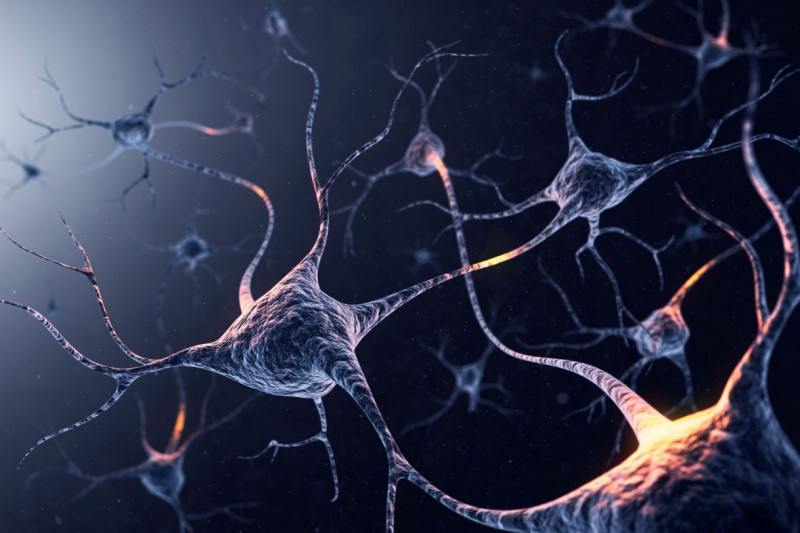
The paper, titled “Abstract Representations Emerge in Human Hippocampal Neurons During Inference," illuminated the processes of abstraction and inference. Abstraction is the learning of new knowledge from experience, while inference is the use of this knowledge to make decisions in situations we have never been in. The study found that when people successfully use inference to adapt to new situations, groups of neurons in the hippocampus represent information in an abstract format, a type of coordinated firing of neurons that becomes visible with new tools that make such neural geometries visible.
The Transmitter list, published as part of the publication’s year-end special report on the state of neuroscience, highlights innovative and impactful neuroscience research. The paper’s inclusion underscores its significance in advancing scientific understanding of how the human brain works.
Cedars-Sinai Health Sciences University is advancing groundbreaking research and educating future leaders in medicine, biomedical sciences and allied health sciences. Learn more about the university.