


Los Angeles Times: The Share of Americans Medically Obese Is Projected to Rise to Almost 50% by 2035
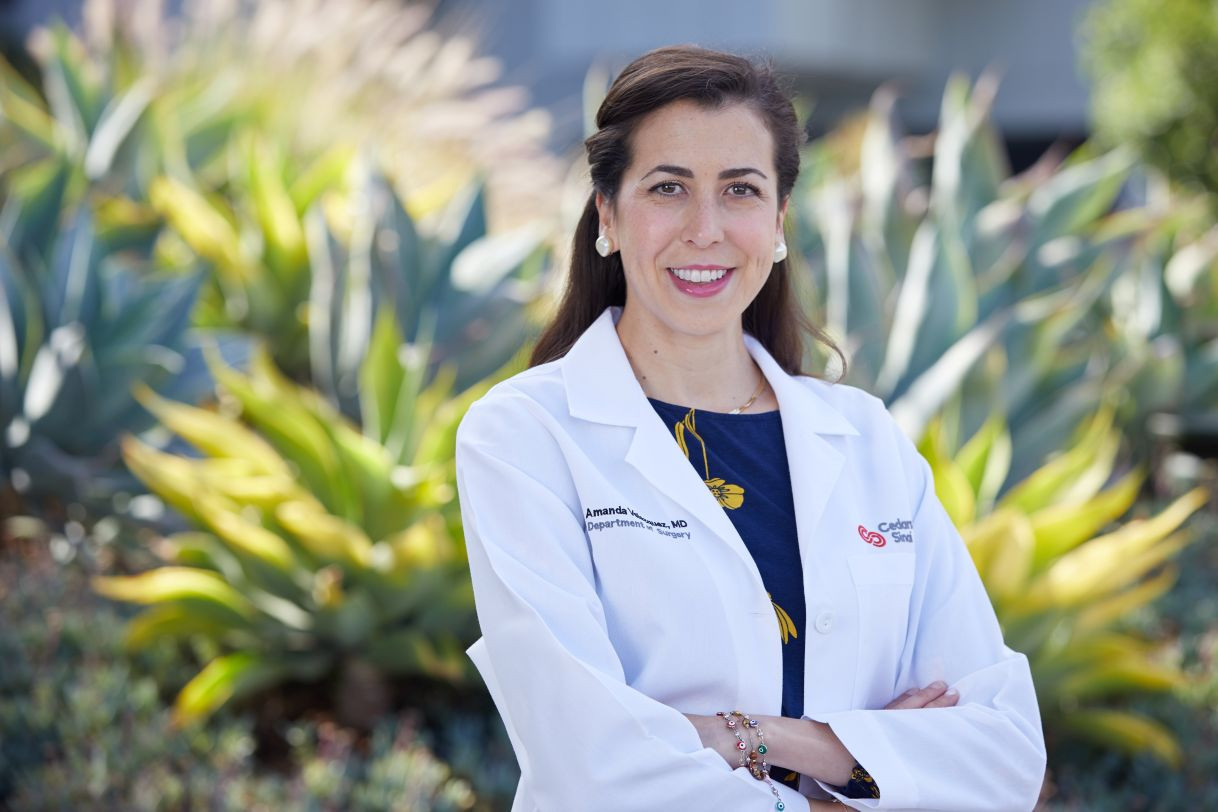
The Los Angeles Times recently interviewed Amanda Velazquez, MD, director of Obesity Medicine in the Department of Surgery at Cedars-Sinai, about a new study projecting that nearly half of U.S. adults—46.9%, or about 126 million people nationwide—will be living with obesity by 2035.
The study, published in JAMA, forecasts especially sharp increases among Black and Latino communities, women, and people in Southern and Midwestern states. Researchers attribute these trends to longstanding systemic inequalities and limited access to effective treatment.
Velazquez, who was not involved with the study, told the Los Angeles Times that while obesity rates in California are expected to increase more slowly than the national average, significant racial and gender disparities are likely to persist.
“These numbers are not surprising, given the systemic inequalities that exist,” she said, pointing to economic instability, car-dependent transportation and chronic stress in Los Angeles and other California cities.
“There are challenges for access to nutritious foods, depending on where you’re at in the city,” she said, as well as “disparities in the access to healthcare” stemming from recent Medi-Cal changes that have left many low-income Californians without health insurance coverage for obesity treatment.
“To take that away is devastating,” Velazquez said.
She told the Los Angeles Times that despite these obstacles, strong public health and nutrition policies, such as those in place in California, can play a meaningful role in preventing obesity.
“There are statewide and local policies that influence food, nutrition and social determinants of health for individuals,” Velazquez said.
Such prevention efforts include strengthening school nutrition standards, promoting walking-friendly transportation, and improving access to healthy food in underserved communities.
Read the complete article from the Los Angeles Times.