



HuffPost: This Overlooked Type of Stress May Be Far Worse for Your Physical Health
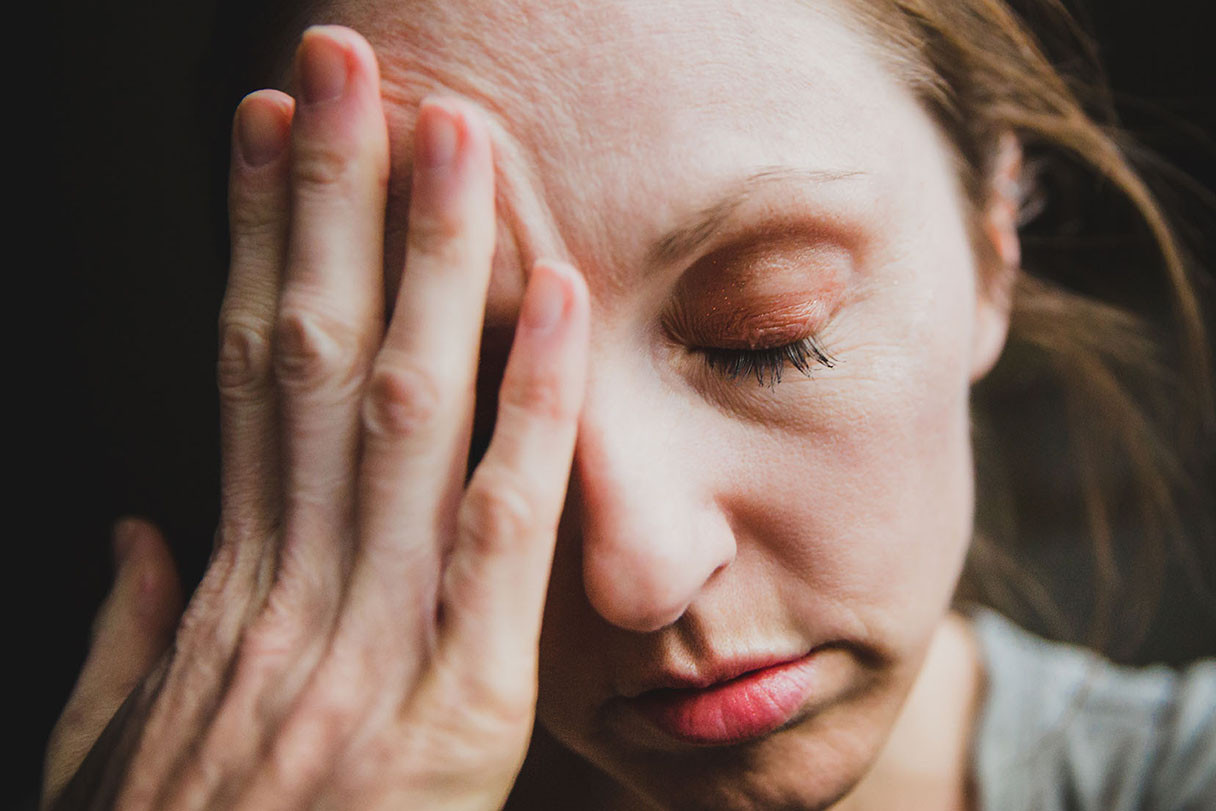
HuffPost recently interviewed Jace Reed, MD, director of Emergency Psychiatry in the Department of Psychiatry and Behavioral Neurosciences at Cedars-Sinai, about the impact of low-level stress on mental and physical health.
Reed told HuffPost that low-level stress often goes unnoticed because it feels more like constant stimulation rather than short bursts of stress. He said it’s an issue that is becoming more apparent, especially because everyone is so connected now, thanks to smartphones and constant notifications.
“When stress is persistent and we’re not getting the breaks that we need,” he said, “we’re having increased firing of our sympathetic nerves and changes in our stress hormones, which can lead to changes in our cardiovascular health, which includes increased blood pressure, increased heart rate.”
Chronic stress also can cause appetite changes, sleep disruptions, headaches, body aches and gastrointestinal issues, such as stomach pain, diarrhea and worsened irritable bowel syndrome.
“When all of these things are chronic in nature, they increase our risk for other disease processes as well—and, overall, it impedes our ability to get better after we’re sick,” Reed told HuffPost.
Taking five minutes each day to practice mindfulness—through deep breathing, meditation or a short walk—can help manage low-level stress, Reed said, adding that “it’s actually better for our productivity to take a little bit of a pause between different tasks.”
Eliminating stress altogether is impossible, Reed told HuffPost, noting that it actually serves a purpose.
“Inherently, stress is good for us,” Reed told HuffPost. “It helps us be productive. If we weren’t stressed, we wouldn’t do our work, we wouldn’t take a test, we would just sit there and do nothing.”
Read the complete article from HuffPost.