


Good Housekeeping: 10 Brain Exercises That Could Help You Stay Sharp as You Age
Good Housekeeping recently interviewed Zaldy Tan, MD, MPH, medical director of the Jona Goldrich Center for Alzheimer’s and Memory Disorders at Cedars-Sinai, about brain exercises that may help strengthen memory and delay cognitive decline.
Tan told Good Housekeeping that memory is a combination of different cognitive abilities—each requiring specific types of training—and, while many activities support brain health, there is no conclusive evidence they directly improve memory.
“For example,” he said, “reading a book, attending classes at a junior college because we're interested, listening to NPR or something else that will expand your view of the world or watching documentaries—those are all great, but they haven’t been studied for us to conclusively say that if you do all of these things, you’re less likely to develop memory problems.”
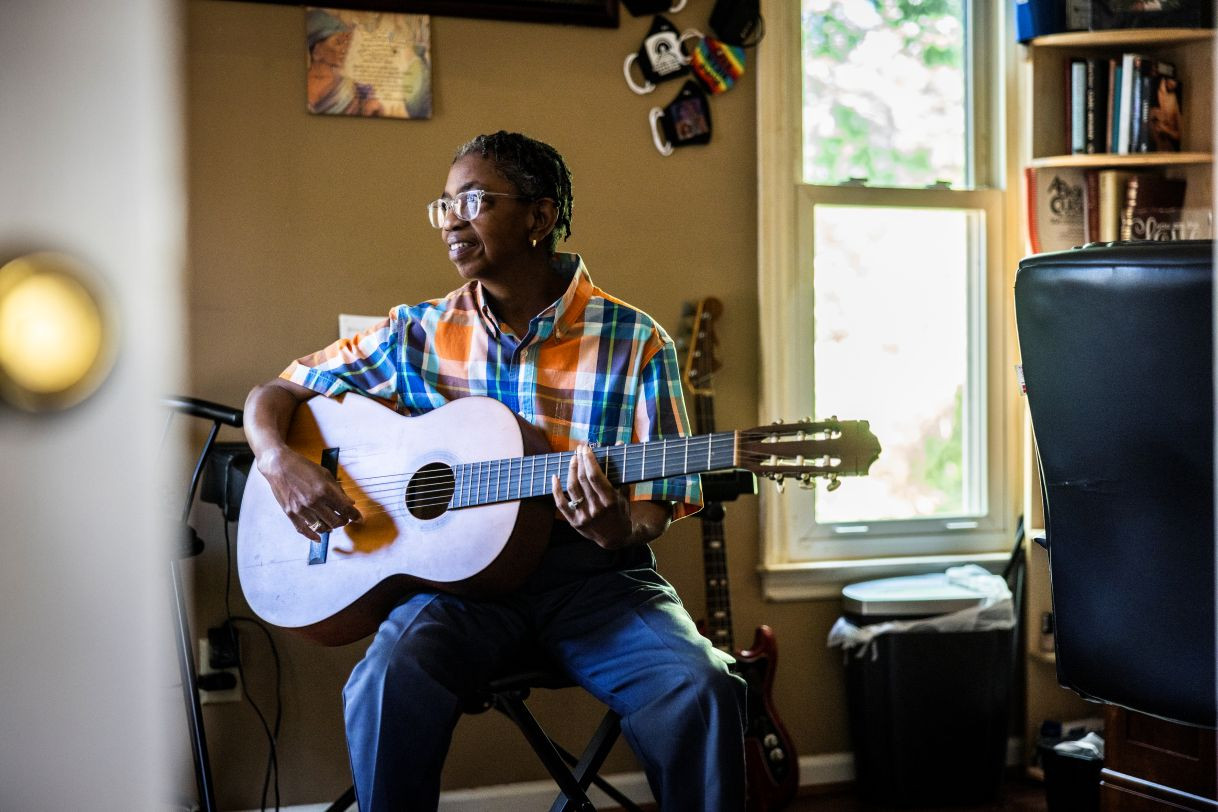
Tan told Good Housekeeping that brain exercises involving active participation—such as physical exercise, playing sports, in-person socializing, learning a new language, completing puzzles and playing an instrument—may support cognitive function.
Still, he emphasized that these exercises cannot completely prevent dementia because “there is a pathologic mechanism to it, meaning for Alzheimer’s, for example, you develop amyloid plaques and tangles. Just doing cognitive training isn’t going to prevent you from having those things, but it might help you reduce the risk of developing symptoms.”
Tan told Good Housekeeping the brain also relies on other organ systems to function properly.
“If your heart is unhealthy, that can affect the brain because the brain is the organ that needs the most oxygen in your system,” he said. “If your kidneys are not functioning well, then you accumulate more toxins that the kidneys filter from the blood. If your gastrointestinal tract is not healthy, then you won't absorb the micronutrients that the brain needs to stay healthy.”
Read the complete article from Good Housekeeping.