



Prevention: Smartwatches Overestimate Calories Burned by Up to 25%
Prevention recently interviewed Amanda Velazquez, MD, director of Obesity Medicine at the Center for Weight Management and Metabolic Health at Cedars-Sinai, for two articles on popular weight loss topics: the accuracy of fitness trackers and pill versions of GLP-1 medications.
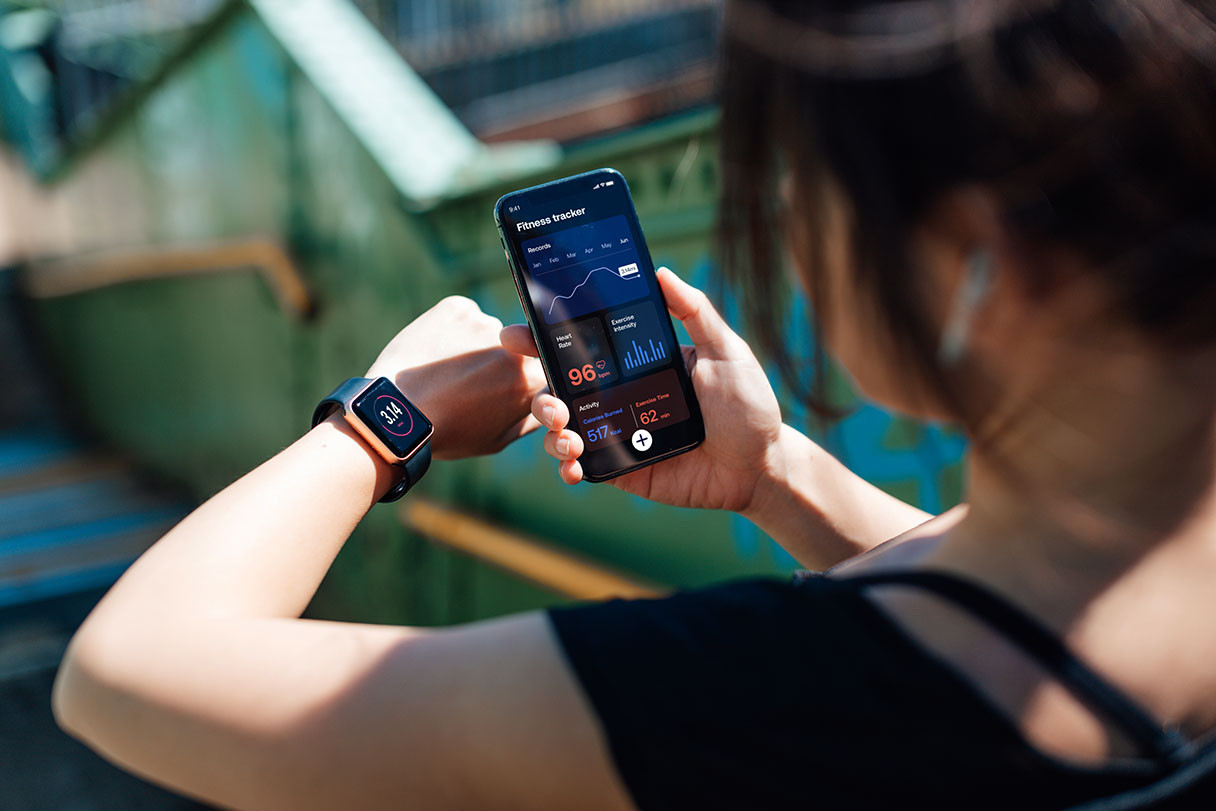
Smartwatches and other wearable trackers can be useful for monitoring heart rate, step count and workout patterns. However, their estimates of calories burned are less reliable.
A study recently published in PLOS One examined how accurately smartwatches from four major brands estimated calories burned. Investigators found that the devices deviated by an average of 15% to 25% from participants’ actual energy expenditure, with the error rate increasing as participants’ body fat percentage increased.
Velazquez, who was not involved in the study, told Prevention she is wary of fixating on calories burned or eaten.
“I caution patients about becoming too focused on calorie tracking and advise them to take a step back, and view nutrition more holistically and focus more so on nutrition quality,” she said.
Velazquez told Prevention she encourages patients to focus on sustainable nutrition habits, including following a balanced, diverse nutrition plan, eating at consistent times and staying adequately hydrated.
For people with an eating disorder, she said, calorie tracking can worsen “anxiety, restriction, and lead to undernourishment.”
Velazquez also discussed two oral GLP-1 medications used for weight management: the Wegovy pill and Foundayo. Both offer alternatives to injectable medications, but they differ in how they act in the body and how they must be taken.
“You can take Foundayo any time of day, with or without food or water,” she told Prevention, noting that people seeking greater overall weight loss to improve obesity-related health conditions may benefit more from oral Wegovy.
For patients considering their options, Velazquez recommended discussing cost, convenience and health goals with a healthcare provider.
She emphasized that GLP-1 medications are generally intended for long-term use and should be combined with lifestyle support and comprehensive care from dietitians, exercise professionals, social workers and psychologists.