


NIH Awards Cedars-Sinai $6.M to Establish Digestive Diseases Center
New Center Will Expand Multidisciplinary Research in Digestive and Liver Diseases and Support Early-Career Scientists
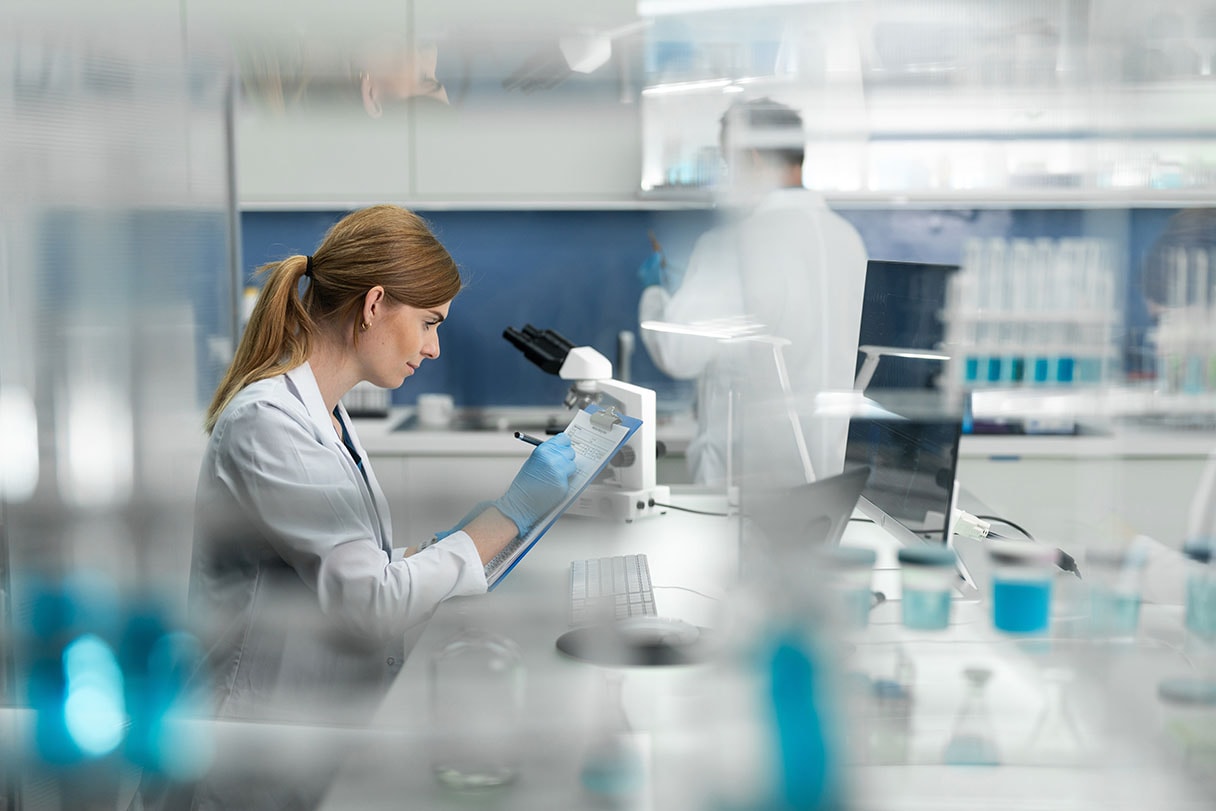
The National Institutes of Health (NIH) have awarded Cedars-Sinai a $6.42 million, five-year grant to establish the Cedars-Sinai Digestive Diseases Research Center. The new center will focus on advancing 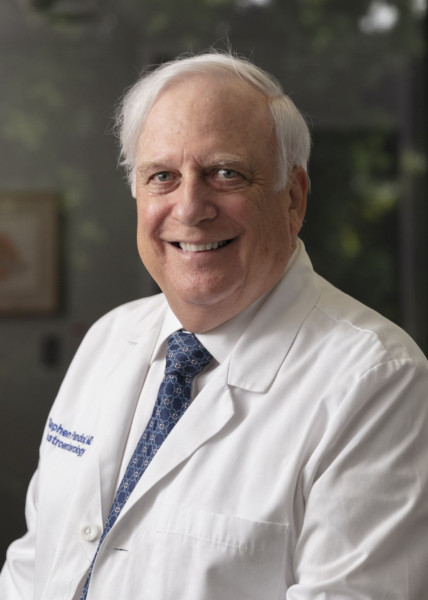 the understanding and treatment of gastrointestinal and liver diseases.
Cedars-Sinai is one of just 17 institutions nationwide supported by the agency's Digestive Diseases Research Core Centers program, which is funded by the National Institute of Diabetes and Digestive and Kidney Diseases, part of the NIH.
The center will be led by Shelly C. Lu, MD, the Women's Guild Chair in Gastroenterology and director of the Karsh Division of Gastroenterology and Hepatology at Cedars-Sinai, and Stephen Pandol, MD, professor of Medicine and director of the Pancreatic Research Program.
"This provides an extraordinary opportunity to tackle some of the most challenging questions in gastrointestinal and liver disease," Lu said. "By combining scientific expertise with advanced technologies, we hope to accelerate discoveries that ultimately benefit patients."
The center will bring together investigators studying gastrointestinal and liver injury, digestive metabolism and the gut microbiome. A major focus will be understanding the biological processes that drive inflammation and tissue damage.
"Our goal is to create an environment where laboratory discoveries can more readily translate into meaningful advances in patient care," Pandol said. "By fostering collaboration across disciplines, we can pursue new approaches to preventing and treating digestive diseases."
Investigating Digestive and Liver Diseases
A recent Cedars-Sinai study led by Lu and published in the Journal of Clinical Investigation illustrates 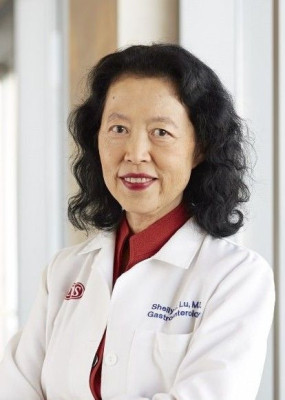 the type of multidisciplinary research the new center will foster.
Investigators identified a molecular mechanism that may help explain why alcohol-associated liver disease (ALD) increases the risk of colorectal cancer spreading to the liver.
Using human tissue and mouse models, investigators found that depletion of a protective protein called prohibitin 1 contributed to liver damage and created conditions that appear to favor cancer growth. In the preclinical investigation, an experimental treatment that preserved the protein helped protect against ALD and reduced the growth of metastatic tumors in the liver.
“These findings point to a potential new therapeutic strategy for alcohol-associated liver disease and its complications,” Lu said. “Because there are currently no FDA-approved medications to treat ALD, protecting prohibitin 1 inside liver cells could point the way to new therapies.”
Cedars-Sinai Digestive Diseases Research Center
In addition to advancing collaborative research, the new center will provide resources for early-career investigators, helping develop the next generation of scientists studying digestive and liver diseases.
"Research centers like the one supported by this award bring together the people, expertise and resources needed to address complex medical challenges," said David Cohen, MD, chair of the Department of Medicine at Cedars-Sinai. "This investment will help our physicians and scientists pursue discoveries that meaningfully improve the treatment and prevention of digestive and liver diseases."
Read More From Cedars-Sinai Stories and Insights: Women Experience IBD Differently Than Men—Why It Matters