

Los Angeles Times: How American Medical Institutions Helped Make D-Day a Success 80 Years Ago
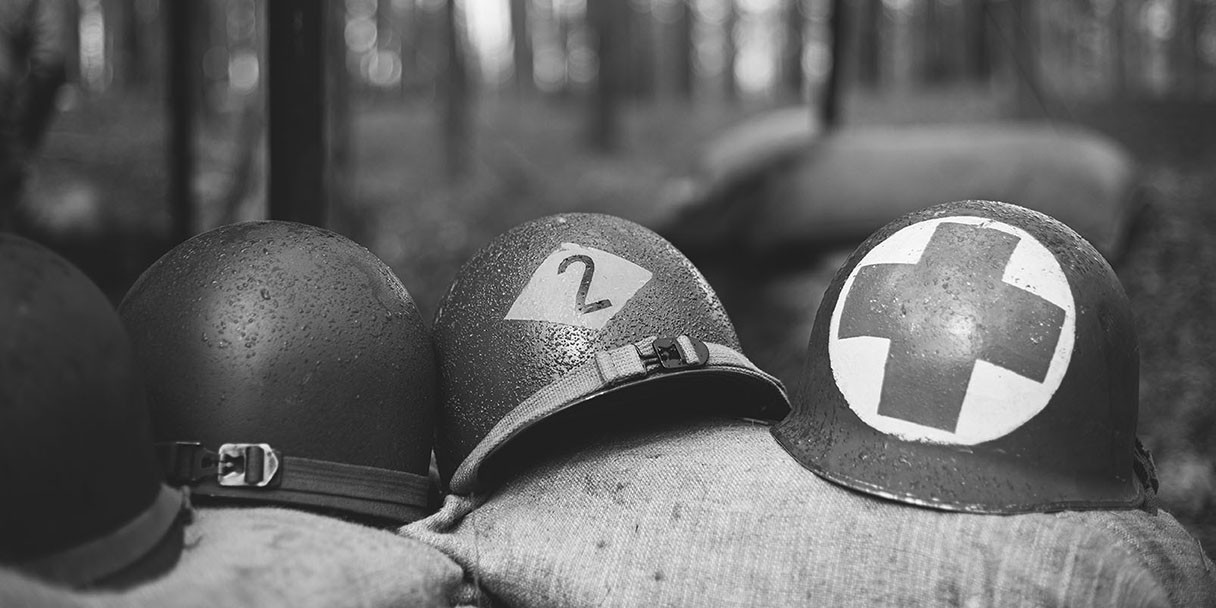
The Los Angeles Times recently interviewed Leo Gordon, MD, an affiliate faculty member in the History of Medicine Program at Cedars-Sinai, about the role of American medicine in World War II. Gordon led a related presentation at Cedars-Sinai Medical Center to mark the 80th anniversary of the Allied invasion of Normandy, also known as D-Day.
He told the Los Angeles Times that both warfare and medicine were different in 1944, the year that marked the beginning of the end of World War II.
“The overarching theme in the history of military medicine is that once a war ended, there was very little interest in using that even for military progress—except for World War II,” said Gordon, a senior consultant in Clinical Surgery at the Surgery Group of Los Angeles.
Gordon told the Los Angeles Times that numerous medical advances stemmed from World War II, including broader availability of penicillin, plasma and blood transfusions and battlefield evacuation procedures.
“For World War II, the armed forces developed the chain of evacuation,” he said. “It started with a combat medic. That fed into a system that went from a field hospital to a larger hospital to a general hospital and ultimately, if needed, to evacuation to England. It saved a lot of lives.”
Gordon told the Los Angeles Times that widespread air evacuations led to a new role for nurses.
“That gave rise to the creation of the flight nurse, who had to be aware of many things other than caring for a patient on the ground,” he said. “They had to learn crash survival. They had to learn how to deal with the effects of high altitude.”
Click here to read the complete article in the Los Angeles Times.