



FOX 11: Pope Leo XIV Diagnosed With Lung Cancer
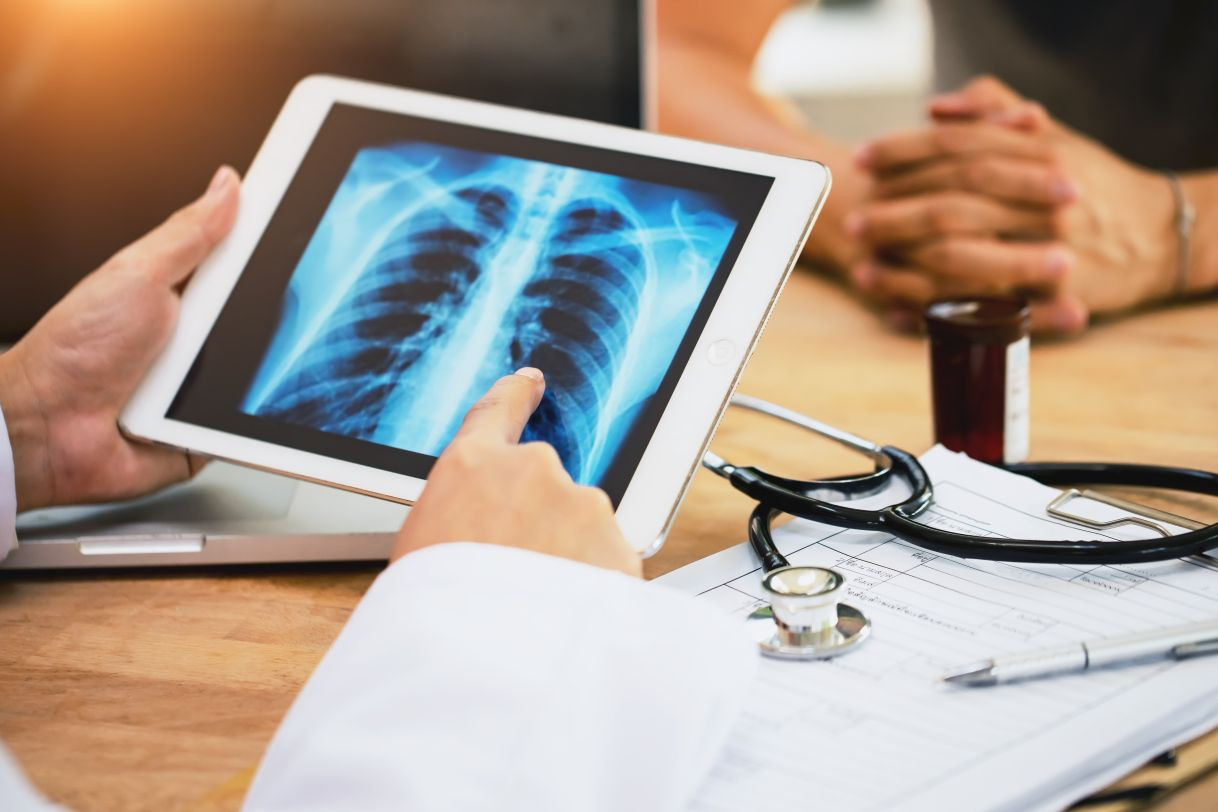
FOX 11 and CBS 2 recently interviewed two Cedars-Sinai Cancer specialists about Pope Leo XIV’s lung cancer diagnosis, surgical recovery and long-term outlook following the removal of a portion of his right lung.
Sara Ghandehari, MD, medical director of the Lung Cancer Screening Program at Cedars-Sinai Cancer, told FOX 11 anchor Koco McAboy that the apparent early detection of the pope’s condition was encouraging.
“It’s very significant when lung cancer is detected at an early stage,” she said, adding that while most lung nodules, or growths, are benign, surgical removal may be appropriate when a nodule is found to be cancerous.
Ghandehari noted that removing part of a lung does not automatically prevent a patient from resuming normal daily activities.
“It very much depends on the individual’s lung health status prior to surgery,” she told McAboy.
If lung cancer has not spread, surgery alone “could be curative,” Ghandehari said. However, physicians must evaluate pathology results, including lymph node involvement and tumor markers, to determine whether follow-up therapies are necessary.
Karen Reckamp, MD, medical oncology director of the Women’s Guild Lung Institute at Cedars-Sinai Cancer, told CBS 2 anchors Sheba Turk and Jamie Yuccas that early-stage lung cancer diagnoses carry “very excellent chances for long-term survival.”
She highlighted that treatment advancements, such as immunotherapy and targeted therapies, continue to improve patient outcomes.
Reckamp also addressed the common misconception that lung cancer only affects smokers. “If you have lungs, you can potentially get lung cancer,” Reckamp said.
She told Turk and Yuccas that non-smoking-related lung cancers account for roughly 15% to 20% of cases today, driven by environmental factors like air pollution, secondhand smoke and radon gas exposure.
Because lung cancer often develops without symptoms, both experts underscored the importance of early detection and screening. High-risk adults—particularly those over 50 with a history of smoking—are advised to undergo annual low-dose CT screenings.
Physicians also encourage anyone experiencing persistent symptoms, such as a lingering cough, shortness of breath or unexplained weight loss, to seek a medical evaluation.