

Forbes: New Study Shows Expanding Blood Pressure Treatment Could Save Over 200,000 Lives—How to Assess Your Risk
Forbes recently interviewed Joseph Ebinger, MD, MS, director of the Coronary Intensive Care Unit and Clinical Analytics at the Smidt Heart Institute at Cedars-Sinai, about new research showing that more than 9 million people in the U.S. may have untreated high blood pressure.
The study, published in the Journal of the American Heart Association, found that lowering the threshold for blood pressure treatment could prevent more than 200,000 deaths over the next decade, including 160,000 cardiovascular deaths. Researchers based these estimates on updated guidelines published by the American Heart Association and American College of Cardiology, which recommend treatment for eligible adults whose blood pressure is 130/80 mmHg or higher and who also have diabetes, chronic kidney disease or elevated cardiovascular risk.
Ebinger, who was not involved in the study, told Forbes that many providers still rely on the older 140/90 mmHg threshold, even though lowering it by 10 mmHg could substantially improve patients’ long-term health.
“We know that every millimeter of mercury [mmHg] could increase the risk for not just heart attacks or strokes or heart failure but kidney failure, dementia and a myriad of other health conditions,” said Ebinger, chair of the American College of Cardiology Hypertension Working Group.
Ebinger told Forbes that connecting people with treatment can “significantly reduce individuals’ cardiovascular risk across the lifespan,” but noted that many people remain unaware of their diagnosis or unable to access care.
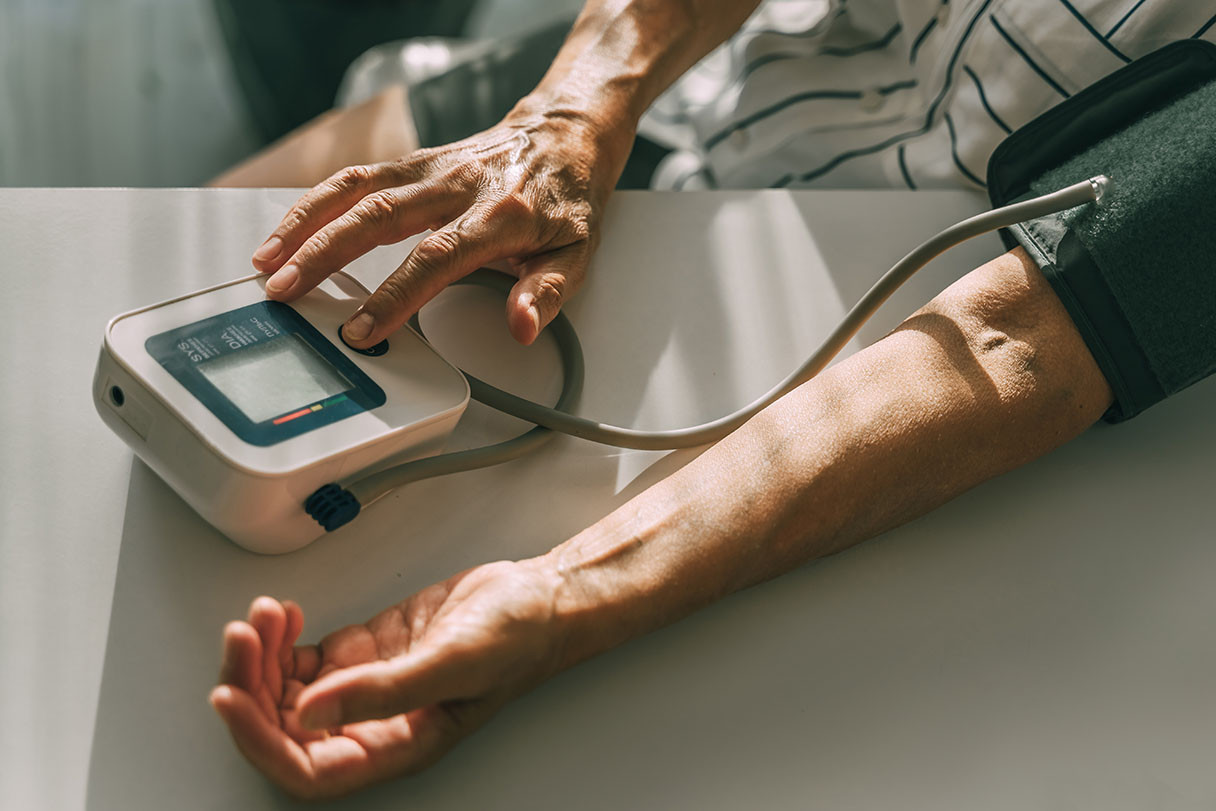
To help identify and treat more people with high blood pressure, Ebinger encourages regular blood pressure checks at a doctor’s office, clinic, pharmacy or at home.
“I love it when people monitor their blood pressure at home,” he told Forbes. “The big thing I would recommend is making sure that they are getting a cuffed, validated device.”
People who monitor their blood pressure at home can check whether their device has been independently validated for accuracy using the Validate BP website.
Read the complete article from Forbes.