


Cedars-Sinai to Explore Mouth Grafting Improvements
Investigators Supported by National Institutes of Health Grant Aim to Use Stem Cells to Improve Outcomes for Patients With Oral Injuries
Patients with mouth injuries from trauma or surgery, or those requiring dental work to fix receding gums, could potentially have new options in the future, thanks to a study launching at Cedars-Sinai Guerin Children’s.
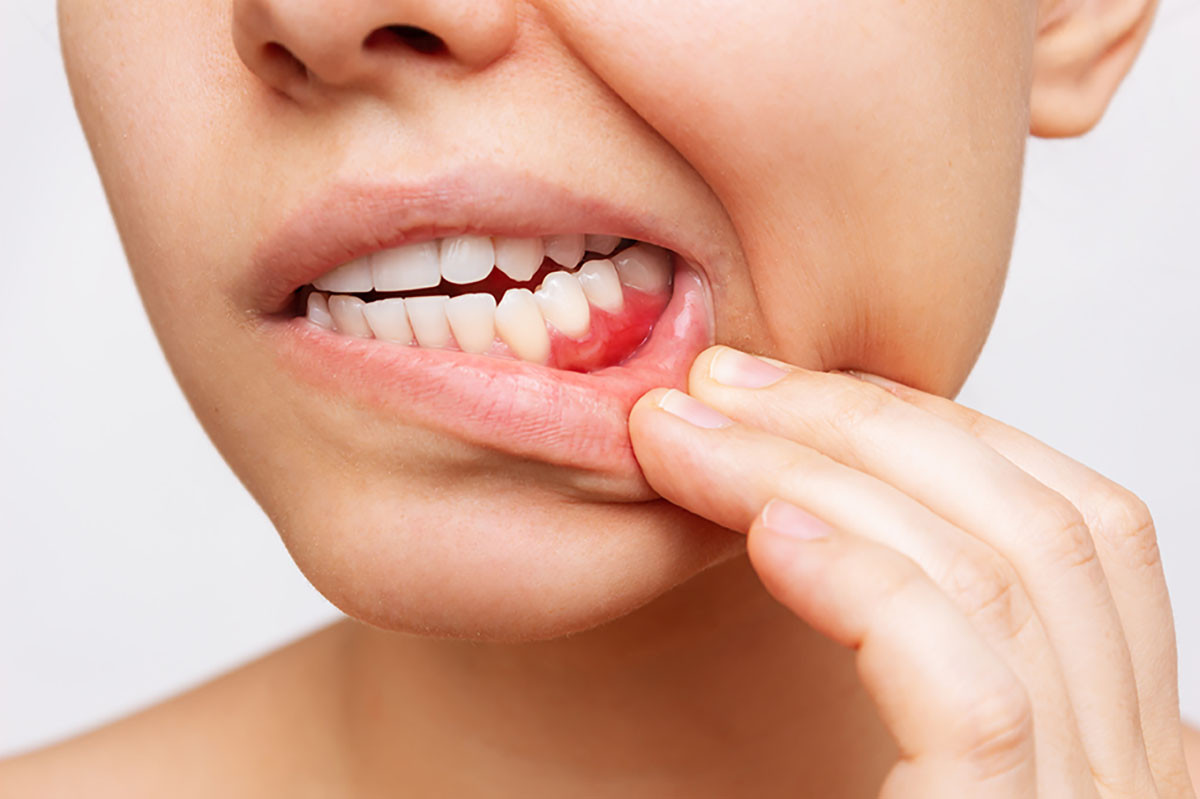
The researchers will use stem cells to improve the effectiveness of oral tissue grafting—a procedure thousands of patients undergo each year in which tissue is transplanted from another part of the mouth to improve or repair trauma from significant tissue loss. In about 1 in 4 patients, the grafts fail due to various factors, including lack of blood supply to the graft, infection and poor healing.
The study is funded by a new five-year $5.7 million grant from the National Institutes of Health (NIH) and supports a multidisciplinary team from Guerin Children’s, Virginia Commonwealth University (VCU) and the University of California, San Francisco (UCSF).
"Our goal is to deepen our understanding of the oral mucosa and to learn how to enhance mouth tissue healing,” said Ophir Klein, MD, PhD, co-principal investigator of the study, executive director of Guerin Children’s and executive vice dean of Children’s Health at Cedars-Sinai. “We plan to turn stem cells into personalized oral tissue grafts that we hope will improve outcomes for patients.”
Oral mucosa is the soft tissue lining the inside of the mouth, including the cheeks, gums and tongue. It serves as a protective barrier against bacterial infection and injury, aiding in essential functions like speaking, chewing and swallowing.
For the preclinical research, the team will grow oral tissue in the lab using induced pluripotent stem cells—adult cells that are reprogrammed into cells that can be turned into virtually any cell type—from laboratory mice. The team hopes to be able to produce, in any needed amount, personalized living grafts with blood vessels that closely resemble natural oral tissue.
“Using advanced bioengineering tools, we can create complex tissues with tiny blood vessel networks that build themselves in a short period of time,” said Zev Jordan Gartner, PhD, co-principal investigator on the study and professor of Pharmaceutical Chemistry at the UCSF School of Pharmacy.
This method, Gartner said, will help the team design custom tissue grafts that could potentially be used in any part of the mouth.
Kevin Matthew Byrd, DDS, PhD, co-principal investigator on the study and assistant professor in the Philips Institute for Oral Health Research at the VCU School of Dentistry, said the research could potentially transform reconstructive care for head and mouth injuries.
“By customizing grafts to fit individual patient needs, we are advancing toward more personalized and effective dental treatments,” Byrd said. “This research has the power to notably improve care quality and establish new dental health standards.”
Cedars-Sinai Health Sciences University is advancing groundbreaking research and educating future leaders in medicine, biomedical sciences and allied health sciences. Learn more about the university.