



Cedars-Sinai Experts Available for Interviews About Rare Movement Disorders Like PSP
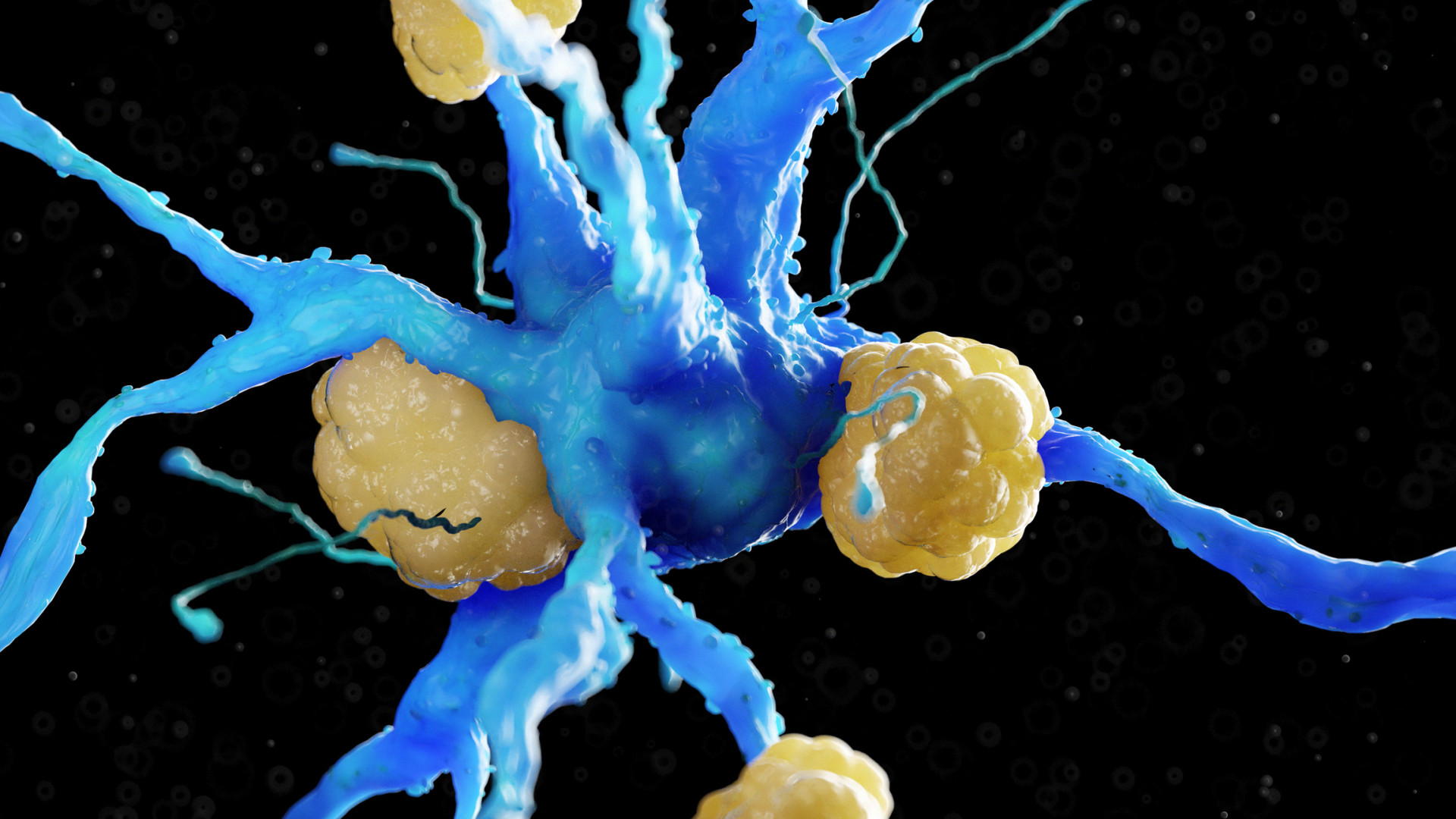
Progressive Supranuclear Palsy (PSP) Affects Parts of the Brain that Control the Body’s Ability to Walk and Coordinate Movement
Cedars-Sinai experts are available to discuss the complex neurodegenerative disorder that caused civil rights leader the Rev. Jesse Jackson to be hospitalized.
The rare movement disorder called progressive supranuclear palsy (PSP) affects parts of the brain that control the body’s ability to walk and coordinate movement. Cedars-Sinai is a designated CurePSP Center of Care and has multidisciplinary clinics for patients with PSP and other movement disorders.
Patients’ brains contain abnormal clumps of tau protein, which has also been implicated in Alzheimer’s disease. PSP patients often notice they have difficulty in moving their eyes. Other symptoms include unexplained falls and difficulty with impulsivity and decision-making.
“PSP is similar to Parkinson’s disease but is rarer,” said Yvette Bordelon, MD, PhD, who is part of the Movement Disorders Division in the Cedars-Sinai Department of Neurology, and is co-director of the Cedars-Sinai CurePSP Center of Care.
Cedars-Sinai experts available for interviews:
- Yvette Bordelon, MD, PhD, co-director of the Cedars-Sinai CurePSP Center of Care.
- Sarah Kremen, MD, director of the Neurobehavior Program at Cedars-Sinai and co-director of the Cedars-Sinai CurePSP Center of Care.
- Michele Tagliati, MD, vice chair of the Department of Neurology and director of the Movement Disorders Program at Cedars-Sinai.
To arrange interviews, contact Christina Elston at 626-298-0702 or [email protected].