


CBS LA: Doctor Raises Awareness During Congenital Heart Defect Awareness Week
CBS LA recently interviewed Mark Sklansky, MD, medical director of Pediatric and Fetal Cardiology Outreach in the Smidt Heart Institute and Cedars-Sinai Guerin Children's, about the prevalence of congenital heart defects and the importance of early detection during pregnancy.
According to the Centers for Disease Control and Prevention, roughly 40,000 babies in the U.S. are born with a congenital heart defect, making it one of the most common types of birth defects.
“The heart is a very complex organ and sometimes in utero it just doesn't form right—the valve may not form, a ventricle may not form, an artery or vein may be abnormal,” Sklanksy told CBS LA anchors Jamie Yuccas and Rachel Kim. He added that in some cases, babies are born with a hole in the heart.
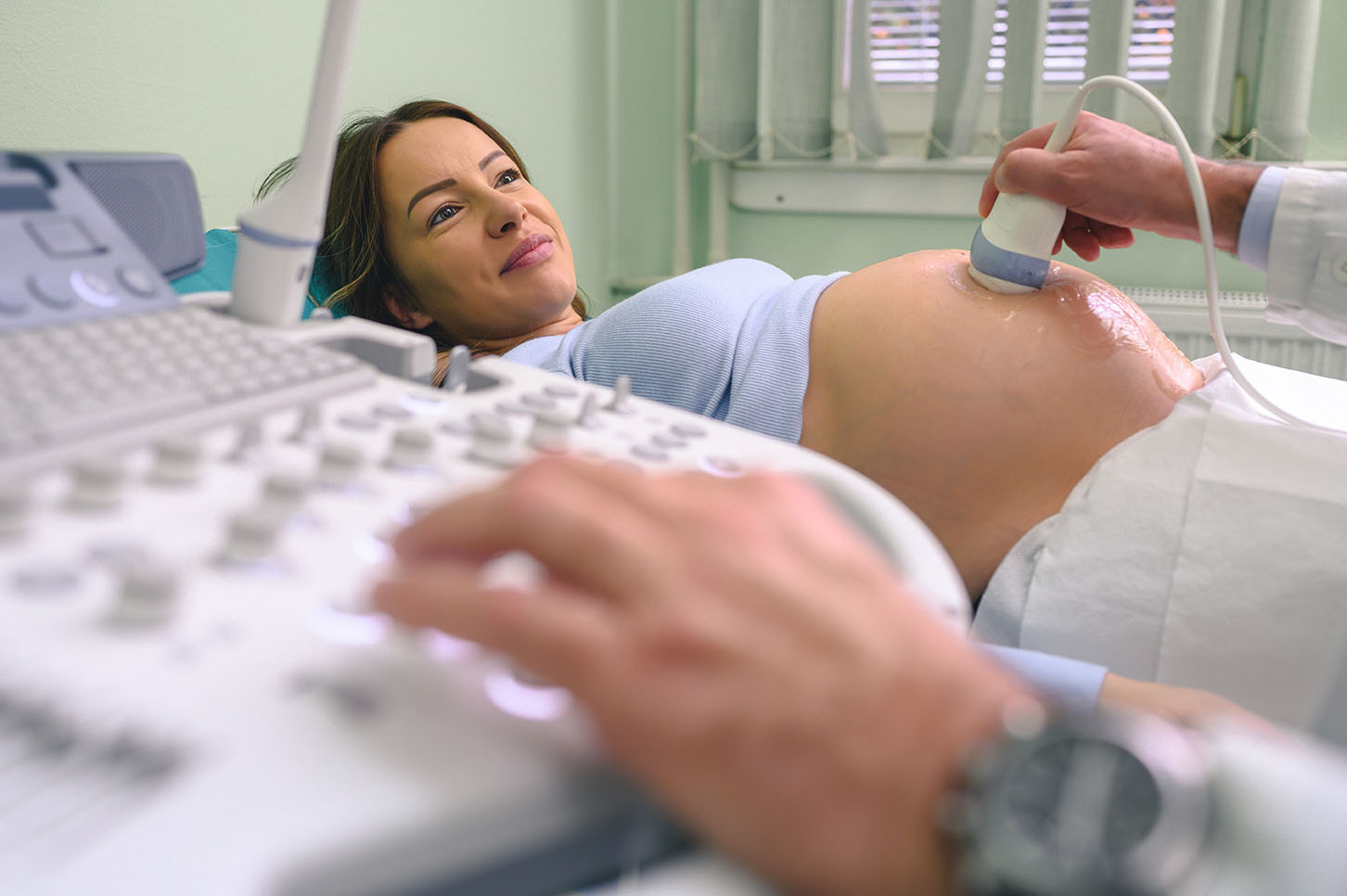
Fortunately, advances in ultrasound technology over the past several decades have dramatically improved physicians’ ability to detect heart defects before birth, Sklansky told Yuccas and Kim. He noted that doctors can often identify structural abnormalities during an ultrasound performed around 20 weeks of pregnancy.
In a small number of cases, specialists may also be able to intervene before birth using a catheter “to change how the heart evolves so the child may be born with less severe form of heart disease,” Sklanksy said.
He told Yuccas and Kim that early detection is crucial to reducing long-term health issues. If doctors know about a heart defect, they can coordinate timely postnatal care to ensure that a baby receives prompt treatment.
“The vast majority of children with heart disease can have very long, productive, happy lives,” Sklansky said.
Watch the complete segment from CBS LA.