

Beyond Hospital Walls: Cedars-Sinai’s Community Health Workers
Cedars-Sinai Highlights the Vital Role Community Health Workers Play in Connecting Patients With Resources They Need to Heal
When patients leave the hospital, their continuous recovery depends on more than follow-up appointments or prescriptions. Housing, food access, transportation and following a physician’s discharge instructions can make or break a successful recovery.
That’s where Cedars-Sinai’s community health workers (CHWs) step in.
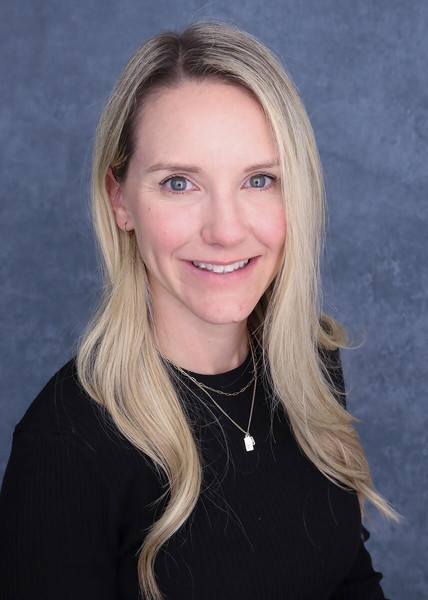 “Our team meets patients where they are—literally and figuratively—and helps them navigate care as whole people, not just patients,” said Katie Hren, LCSW, MPH, director of the Community Connect Program at Cedars-Sinai. “Many of the patients we work with need more than medicine. They also may need assistance finding safe housing, accessing healthy food, arranging transportation to appointments or applying for benefits that support their daily lives.”
According to the National Association of Community Health Workers, interventions led by a community health specialist have been shown to reduce emergency department visits by up to 38% and hospitalizations by 30%—underscoring their positive impact on patient outcomes and healthcare costs.
The Cedars-Sinai Newsroom spoke with Hren to learn how CHWs support patients beyond the hospital and why their role is becoming more essential than ever.
What is a community health worker?
A community health worker is a frontline public health professional who helps patients navigate healthcare and community resources. They often come from the same neighborhoods they serve, giving them insight into the cultural, social and practical challenges patients face.
Unlike most hospital professionals, CHWs continue working with patients after discharge. They connect patients to services such as meal delivery, transportation or caregivers, and follow up to ensure referrals and treatment plans are completed.
Who benefits most from CHWs?
CHWs focus on patients at higher risk of falling through the cracks. That might include someone discharged without stable housing, an older adult who no longer drives, or a family juggling chronic illness, child care and work while also needing access to food or benefits. These are patients who need more than clinical care, and CHWs help them connect to the right resources.
How do CHWs differ from other providers?
CHWs complement the work of nurses, social workers and case managers. While those providers focus on medical care, psychosocial support or discharge planning, CHWs specialize in navigating social barriers—such as housing, food and transportation—that affect health outcomes.
What does a typical day look like?
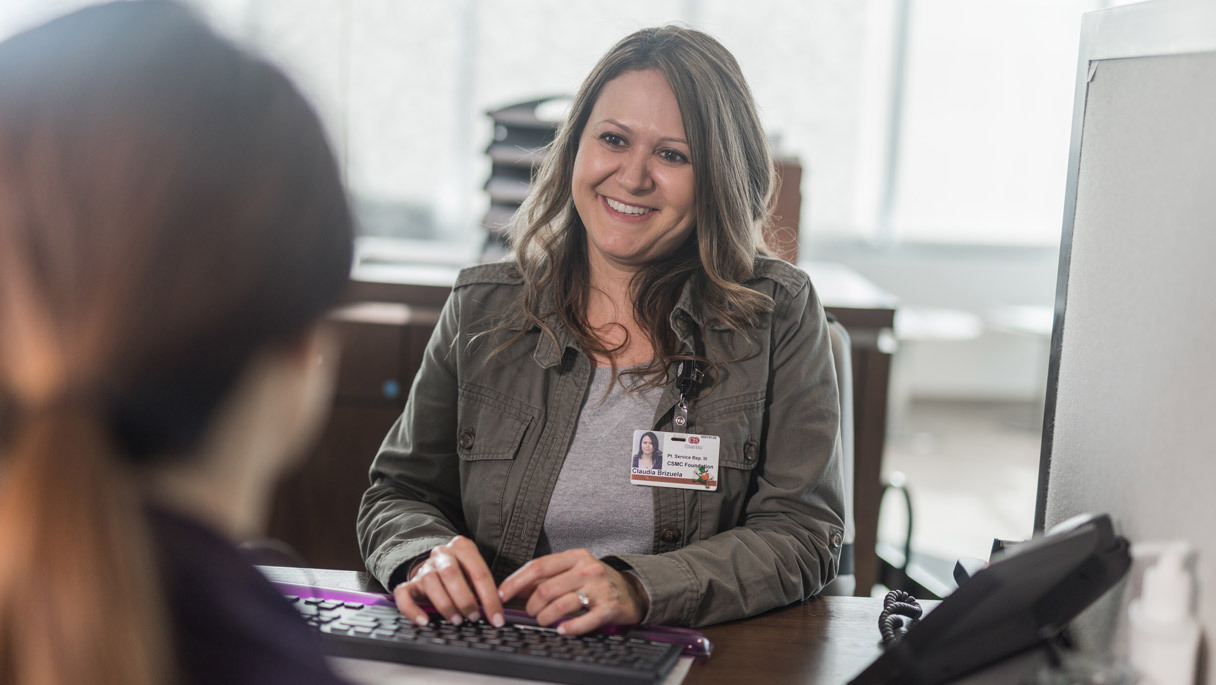
No two days are the same for a community health worker. They might start by rounding with clinical teams, meeting patients at the bedside before discharge, or following up by phone to make sure resources are in place.
Much of their work happens in the community—meeting patients at home, attending appointments with them or even sitting together in a coffee shop to complete applications for public benefits. CHWs also collaborate with external partners, such as Healthcare in Action, which provides street medicine to people experiencing homelessness. They may refer patients to these programs while continuing to help with longer-term needs like housing or benefits.
How do patients connect with CHWs?
At Cedars-Sinai, patients are referred by their care team—usually a physician, nurse or social worker. The community health specialist then proactively reaches out to build trust and begin support.
What results have you seen?
Cedars-Sinai’s program has shown measurable results. Patients who work with CHWs are more likely to attend follow-up and primary care visits, less likely to use the emergency department unnecessarily, and they report higher satisfaction with their overall care.
Providers also benefit, noting that CHWs allow them to focus on more complex medical issues. Patients frequently share that they feel less alone and more confident navigating the healthcare system thanks to the support and education CHWs provide.
To expand this impact, Cedars-Sinai launched CS Community Resource, an online portal that connects patients and community members with free or low-cost health and social service programs.
What does the future look like for CHWs?
The role of CHWs is more essential than ever. I see their integration into healthcare continuing to expand, not just at Cedars-Sinai but across the country. As healthcare shifts toward whole-person care, CHWs bring skills and connections that can’t be replicated by other providers.
Read more on the Cedars-Sinai Blog: Inspiring Community Health By Meeting Patients’ Needs