

Continuously Building a Culture of Belonging
Chief Diversity, Inclusion and Wellbeing Officer Nicole Mitchell Discusses How Cedars-Sinai Advances Inclusive Care, Accessibility and Belonging
Cedars-Sinai has again been designated as a “Best Place to Work for Disability Inclusion” and as a “Healthcare Equality Index Leader,” reflecting the organization's ongoing commitment to fostering an inclusive environment for employees, patients and the communities it serves.
 The “Best Place to Work for Disability Inclusion” designation from the 2026 Disability Index recognizes organizations for workplace policies and practices that support disability inclusion, while the “Healthcare Equality Index” label from the Human Rights Campaign Foundation recognizes healthcare organizations that demonstrate a commitment to equitable, inclusive care for LGBTQIA+ patients, visitors and employees.
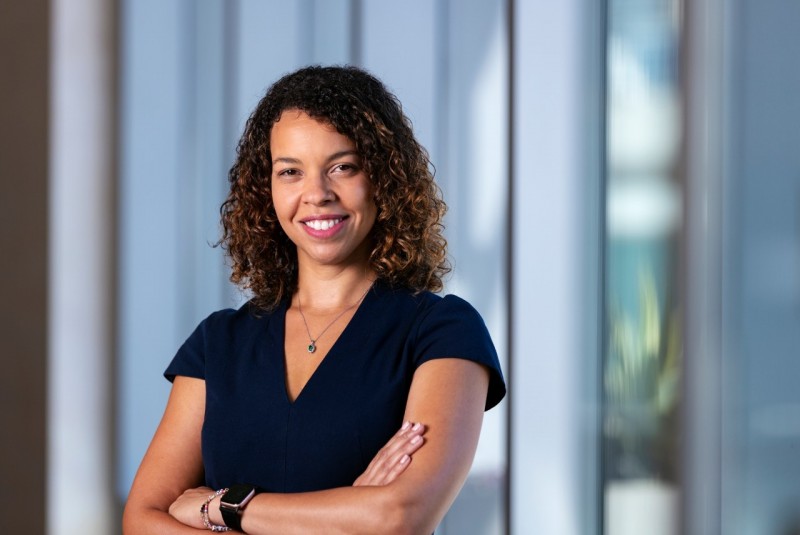
“These recognitions reflect our commitment to ensuring our people and our communities experience Cedars-Sinai in a way that aligns with our values and our mission,” said Nicole Mitchell, chief diversity, inclusion and wellbeing officer at Cedars-Sinai. “We are proud to once again be recognized but also recognize that this work is never finished.”
The Cedars-Sinai Newsroom spoke with Mitchell about what these recognitions mean and how inclusion continues to shape the organization's culture, workplace and patient care.
What do these recognitions represent for Cedars-Sinai?
These recognitions are meaningful because they reflect years of intentional work and accountability. They are not about receiving an award or checking a box. Instead, they are an external reflection of our commitment to creating an environment where people feel seen, supported and able to thrive.
More importantly, they reinforce our commitment to ensuring our people and our communities experience Cedars-Sinai in a way that aligns with our values and our mission to elevate the health status of the communities we serve. When people experience belonging, trust and inclusion, it strengthens our culture and helps us deliver the exceptional care that is at the heart of our mission.
How do inclusion and accessibility affect Cedars-Sinai's commitment to providing the highest level of patient care?
At Cedars-Sinai, inclusion is not separate from our mission. It is connected to how we care for patients, support our workforce and engage with our communities.
This work is reflected in everything from leadership development and employee education to accessibility initiatives and the everyday interactions people have across our organization. It also includes programs and resources that help our employees build community and help our caregivers provide more inclusive, affirming care. Ultimately, it's about creating environments where people can fully participate and where their lived experiences are valued and respected.
While these recognitions acknowledge important progress, what matters most is the experience people have every day when they walk through our doors—whether as patients, family members, employees, physicians, learners or community members.
What are some examples of how these values are reflected in the experiences of our patients, workforce and community?
For patients and families, inclusive care helps build trust, strengthen communication and create meaningful partnerships in healthcare decisions. When people feel heard, respected and understood, they are more empowered to participate in their care. That commitment is reflected in ongoing efforts to create welcoming, affirming care experiences, provide education that equips caregivers to meet the diverse needs of patients, and foster an environment where every individual feels valued and respected.
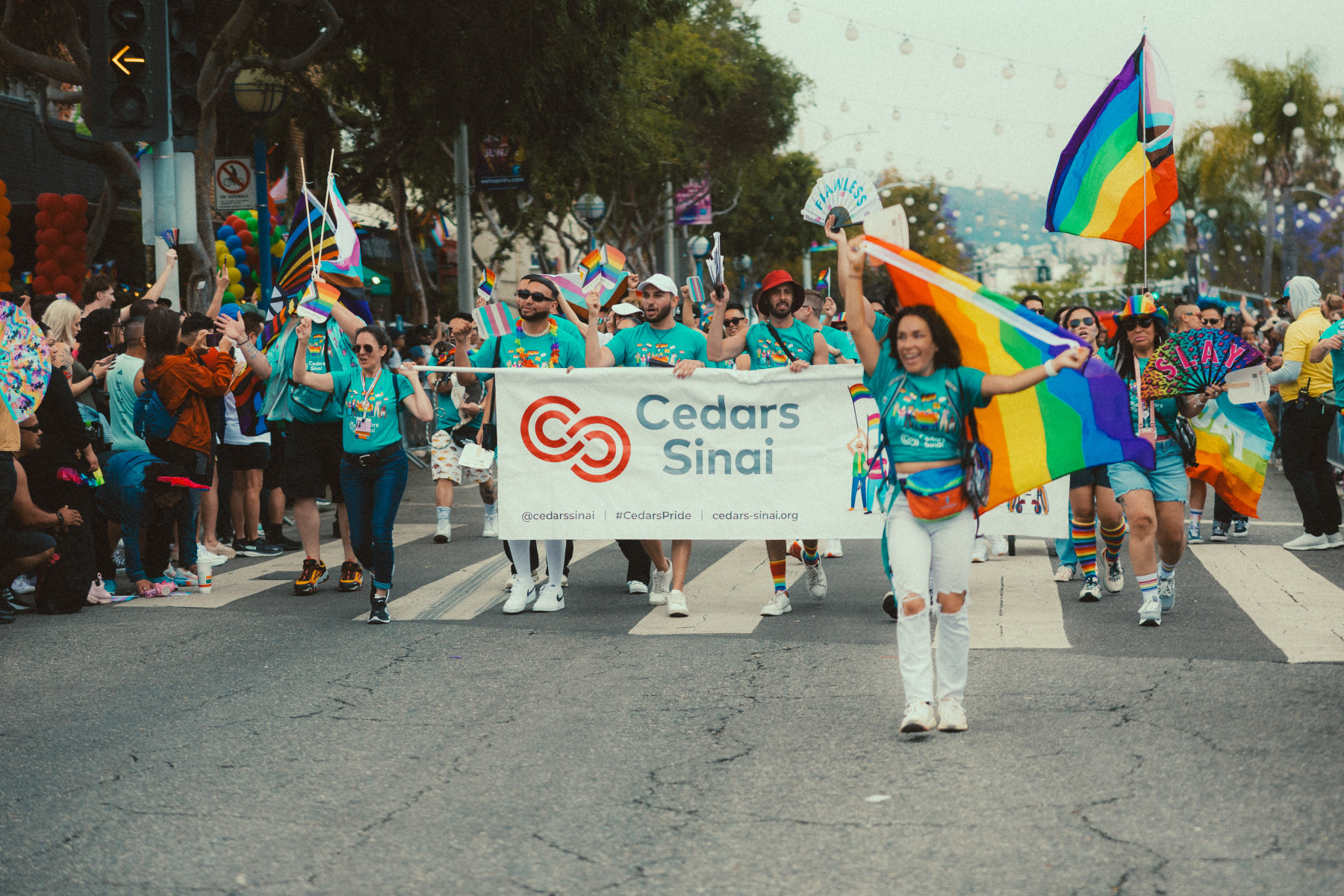
For our workforce, belonging means creating a culture where employees can contribute fully, share different perspectives and feel supported in doing their best work. Employee resource groups—including Supporting Purposeful Accessibility, Community and Equity [SPACE] and Pride, Respect, Inclusivity, Solidarity and Meaningful Support [PRISMS]—play an important role in building community, elevating lived experiences and helping us better understand the needs of employees with apparent and non-apparent disabilities, LGBTQIA+ employees, and allies.
We know this work is a team effort. Inclusion cannot live within one office or one department. It must be reflected in our systems, our decisions and our daily practices across the organization.
How does Cedars-Sinai ensure that inclusion remains part of our culture and daily operations?
One of the strengths of our Office of Diversity, Inclusion and Wellbeing is that we approach this work every day through both a strategic and human lens.
The frameworks provided through the Disability Index and Healthcare Equality Index help us measure progress and identify opportunities to continue growing. But lasting change happens when inclusion becomes part of how we lead, collaborate, make decisions and care for one another every day.
We remain focused on strengthening education, creating opportunities for connection and belonging, increasing accessibility, and embedding inclusive practices into how we show up for our patients and one another. Our goal is not simply to achieve or maintain recognition. It is to continue building an environment where people feel they belong because inclusion is part of who we are as an organization.
Read more from Cedars-Sinai Stories and Insights: Residency Programs Move Toward Greater Diversity