



Vox: The Truth About Gut Health
Vox recently interviewed Cedars-Sinai researchers Ruchi Mathur, MD, and Suzanne Devkota, PhD, for “The Truth About Gut Health,” a special report exploring one of the most talked-about wellness topics online and how to separate science-backed advice from social media hype.
Gut health means more than the absence of disease; it reflects a functioning gastrointestinal tract that may help reduce future health risks. The hashtag #guttok has drawn billions of views on TikTok—and along with them, questionable claims, extreme fads and marketing gimmicks that make it hard to know what actually works.
Mathur, a professor of medicine and director of Clinical Research and Clinical Operations for the Medically Associated Science and Technology (MAST) Program at Cedars-Sinai, told Vox the gut microbiome is a partnership between people and the microbes living inside them.
“When we talk about the gut microbiome, we’re talking about archaea, fungi, bacteria that live within our gut,” she said. “They are synergistic with us. They help us survive as a species, as an individual. And if they’re happy, we’re happy.”
Devkota, director of the Human Microbiome Research Institute and an associate professor of Medicine and Biomedical Sciences at Cedars-Sinai, told Vox that gut microbes have evolved alongside humans, helping digest food, extract calories and maintain a healthy ecosystem. She emphasized that diversity, not a battle between “good” and “bad” bacteria, is what keeps the gut working properly.
“You need a lot of different kinds of bacteria in your gut,” Devkota said.
Both experts cautioned against trending “cleansing” practices.
“It actually will cause negative impacts on your gut microbiome,” Devkota said of colonics, a form of colon cleansing that can disrupt the microbiome. “This whole concept of cleansing and resetting, there’s no evidence. There’s no proof for it.”
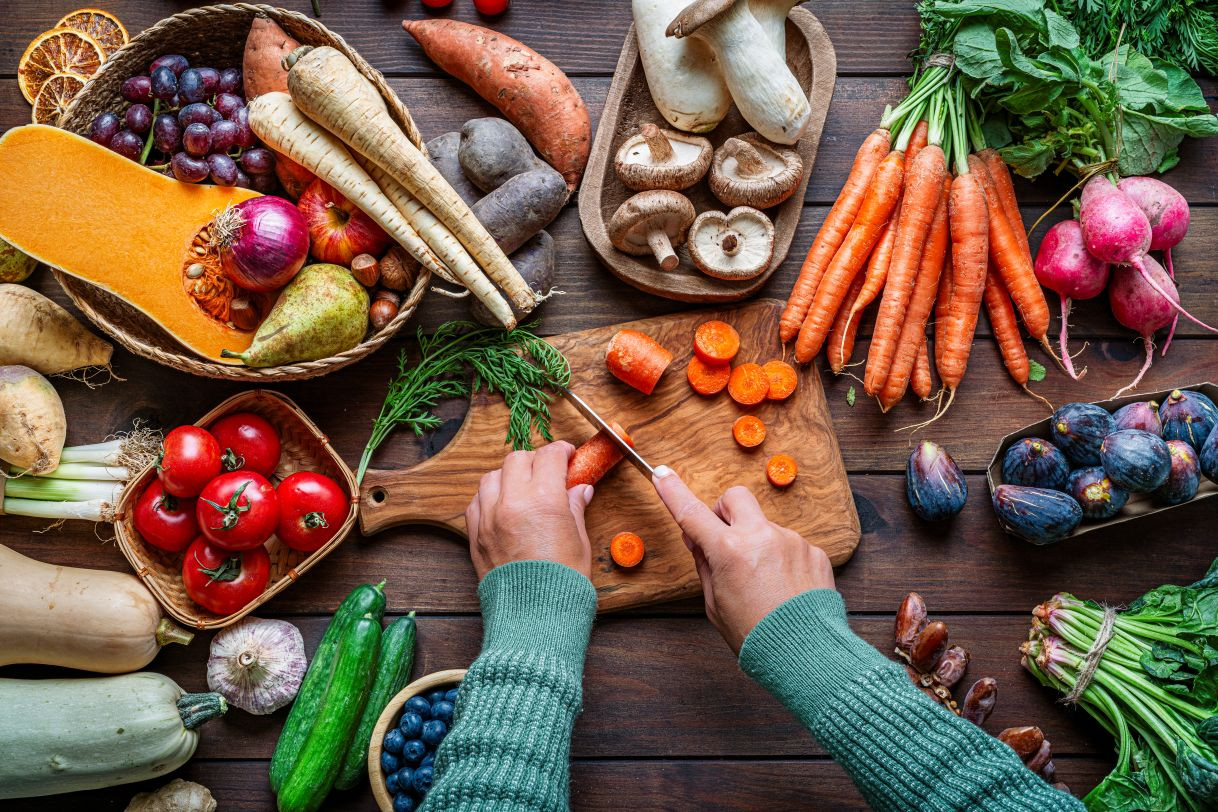
Their advice was simple: Devkota called fiber the top priority, while both emphasized a varied diet rich in fruits and vegetables. Devkota also recommended fermented foods for those who can tolerate them and stressed the importance of water and reducing stress.
Mathur urged skepticism toward broad microbiome claims.
“Anybody who’s offering you one-size-fits-all for microbiome and microbiome therapies, just approach with caution,” she told Vox.
Watch the complete segment from Vox.