


Sympathetic Nerve Activity May Play Role in Atrial Fibrillation Symptoms
Cedars-Sinai Investigators Report Association Between Symptoms and Nerve Activity
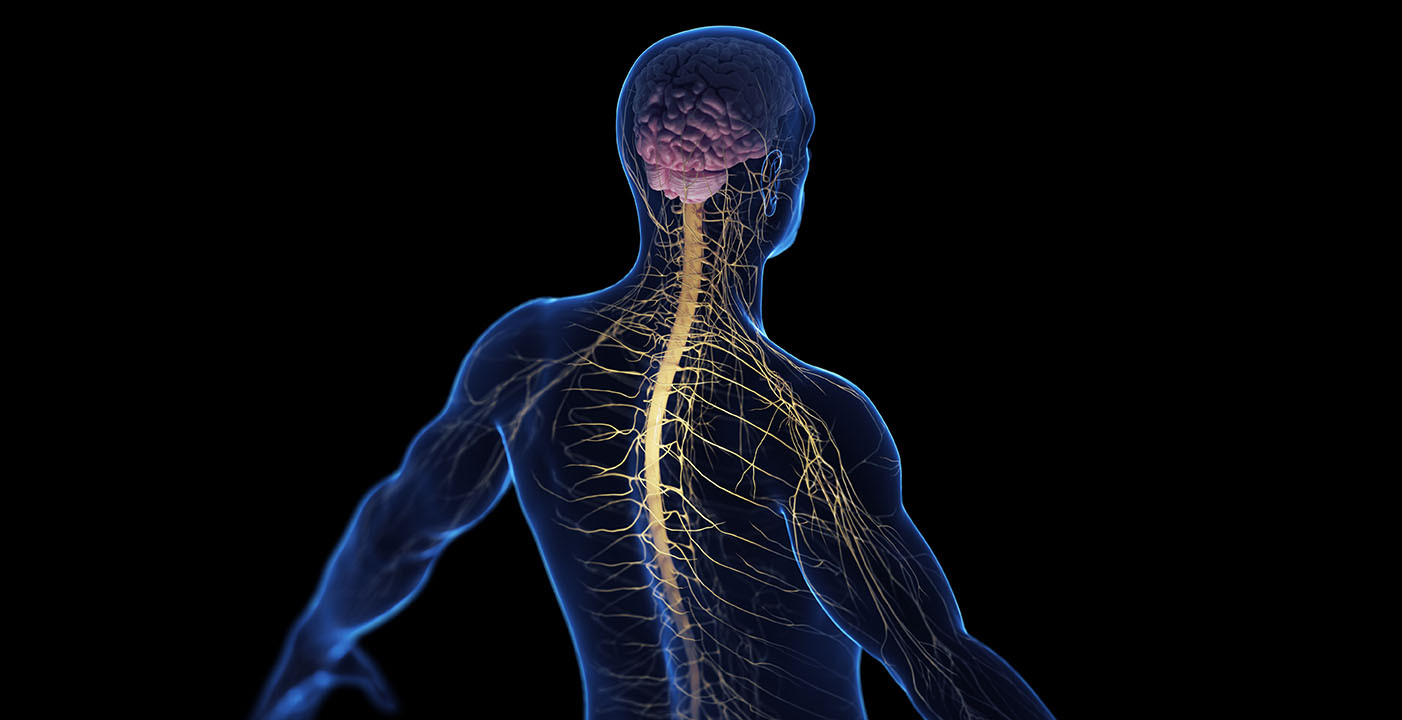
People with atrial fibrillation have increased sympathetic nerve activity—the system responsible for your body’s fight or flight response—when experiencing symptoms, according to a new study published in Heart Rhythm from investigators in the Smidt Heart Institute at Cedars-Sinai.
Atrial fibrillation is an irregular heart rhythm that can cause heart palpitations, shortness of breath, lightheadedness and other symptoms in some patients.
“Atrial fibrillation is a really common disease,” said Jessica Mao, MD, a cardiology fellow at the Smidt Heart Institute and first author of the study. “Our study aimed to understand why some patients have symptoms and others do not.”
Investigators specifically sought to better understand paroxysmal atrial fibrillation, a type of atrial fibrillation that lasts only a few hours or days. They aimed to correlate the magnitudes of skin sympathetic nerve activity with symptoms in patients with this type of arrhythmia.
Cedars-Sinai investigators followed symptoms in 35 patients with paroxysmal atrial fibrillation over seven days. The patients were fitted with a skin patch electrode on the chest that monitored skin sympathetic nerve activity. They were told to press a button on the device when they experienced symptoms that they usually would have during an atrial fibrillation episode. The most reported symptoms were palpitations, dizziness, shortness of breath and chest pain.
Among the enrolled patients, 16 had at least one episode of atrial fibrillation, and 24 had symptoms. The investigators noted that sympathetic nerve activity was elevated when people reported symptoms. They also noted that the symptoms may occur during normal rhythm or atrial fibrillation.
Studies show patients have fewer symptoms after they undergo catheter ablation, a procedure that destroys small areas of heart tissue and blocks abnormal electrical impulses.
“The fact that many patients have fewer symptoms after this procedure while still having documented atrial fibrillation could indicate that the procedure modulates the nervous system,” Mao said.
Investigators plan additional studies with a larger patient population to strengthen their findings.
Other Cedars-Sinai investigators who worked on the study include Xiao Liu, MD, PhD; Anxhela Kote, BS; Taiga Andersson, MSHS; Xiaochun Li, PhD; Christine M. Albert, MD, MPH, FHRS; and Peng-Sheng Chen, MD, FHRS.
Funding: The study was partially funded by National Institutes of Health grants R01HL116690, R01HL139829, 1OT2OD028190, and T32HL116273, an American Heart Association grant 23IPA1052289, and the Burns & Allen Chair in Cardiology Research, Cedars-Sinai Medical Center.
Conflicts of Interest: Dr. Peng-Sheng Chen is a co-inventor of U.S. patent No: 10,448,852 awarded to Indiana University.
Visit Research News and follow Cedars-Sinai Academic Medicine on LinkedIn for more on the latest basic science and clinical research from Cedars-Sinai.