



Scientific American: The Risk of High Blood Pressure in Pregnancy Is Rising
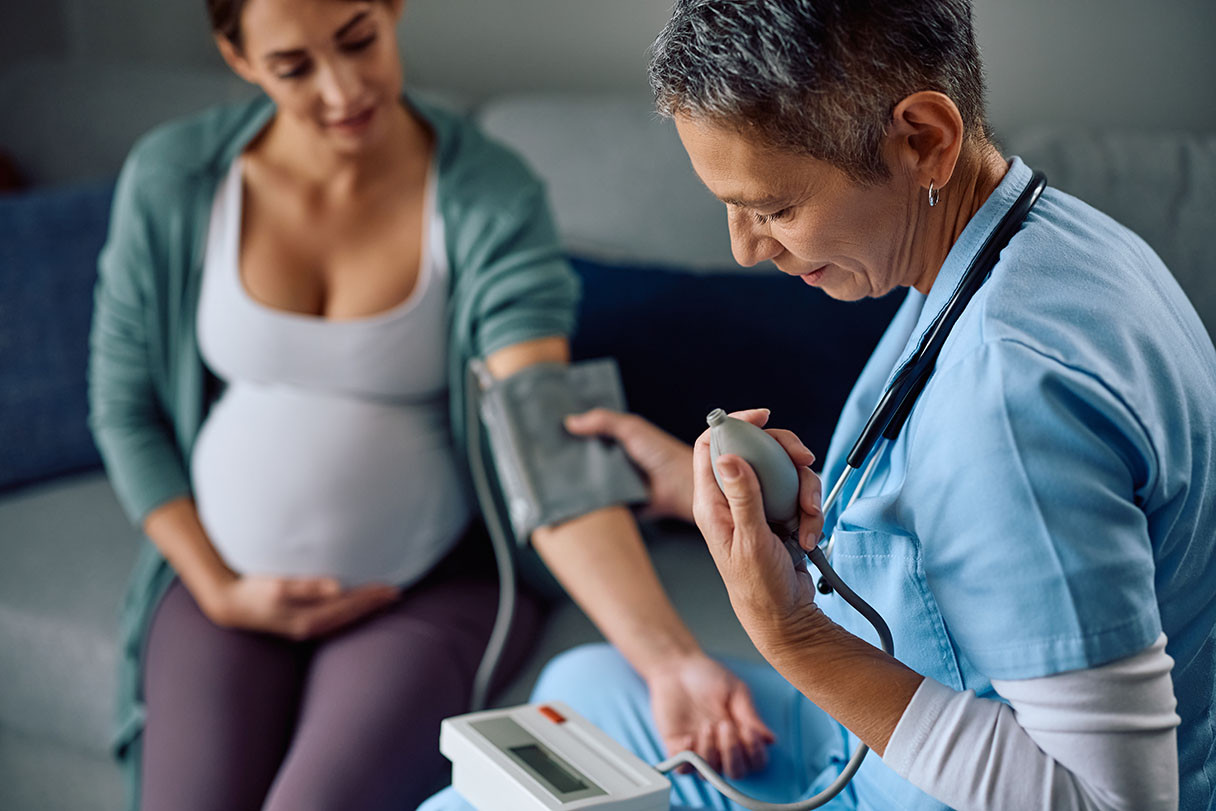
Scientific American recently interviewed maternal-fetal medicine expert Sarah Kilpatrick, MD, PhD, chair of the Department of Obstetrics and Gynecology at Cedars-Sinai, about the growing prevalence of high blood pressure during pregnancy and why it can remain undetected until it becomes dangerous.
High blood pressure now affects about 1 in 10 pregnancies, according to the U.S. Centers for Disease Control and Prevention. Gestational hypertension—high blood pressure that develops for the first time during pregnancy—also has been increasing for decades.
Kilpatrick told Scientific American several factors are driving the increase.
“We’ve known it’s been increasing partially because of better recognition and diagnosis,” she said, emphasizing the importance of awareness. “It should be something women know about.”
Beyond better recognition and diagnosis, Kilpatrick pointed to several demographic and health trends. Women are having their first pregnancies later in life, and more are having babies after age 40. Multiple births, such as twins and triplets, also have become more common, in part because of in vitro fertilization. Also, body mass index—an estimate of body fat—continues to climb. Each of these factors can raise the risk of high blood pressure, and the risk factors can overlap.
Gestational hypertension can progress to preeclampsia, a condition marked by high blood pressure and organ damage that can affect the liver and kidneys. Pregnancy-related blood pressure disorders are among the leading causes of illness and death among mothers in the U.S., and serious problems can develop suddenly.
Kilpatrick told Scientific American that preeclampsia results from a systemic response to the placenta. An abnormal increase in a protein called sFlt-1, which slows placental growth, appears to help trigger the condition.
In 2023, the U.S. Food and Drug Administration approved the first blood test to help diagnose preeclampsia by measuring the ratio of sFlt-1 to another placental protein that remains stable. Kilpatrick co-authored research that led to the test’s approval.
“If we don’t diagnose it soon enough or women stay pregnant too long, they can get really sick and, in the extreme, of course, die,” she told Scientific American. “That’s the problem with the disease—it can be very insidious.”
Read the complete article from Scientific American.