



Science: Orbital Alchemy
Science recently interviewed cardiobiologist Arun Sharma, PhD, director of the Center for Space Medicine Research at Cedars-Sinai, about how microgravity might improve the growth of stem cells and lab-grown tissues for research and, potentially, patient care.
Sharma told Science he has spent a decade studying whether microgravity can help stem cells form organoids—tiny, lab-grown models used to test drugs and other therapies. On Earth, machines circulate liquid to keep cells suspended, sometimes damaging or joining the delicate structures. In microgravity, the organoids remain suspended on their own. Early comparisons suggest space-grown organoids are cleaner and more plentiful.
“It just kind of makes sense, right?” Sharma told Science. “They’re supposed to float.”
Preliminary results from Sharma’s work prompted NASA to provide $1.5 million to repeat the experiments. If that research yields sustained results, biomanufacturing devices orbiting earth could one day produce high-quality organoids in much greater quantities to support new research and, eventually, create tissue grown from a patient’s own cells.
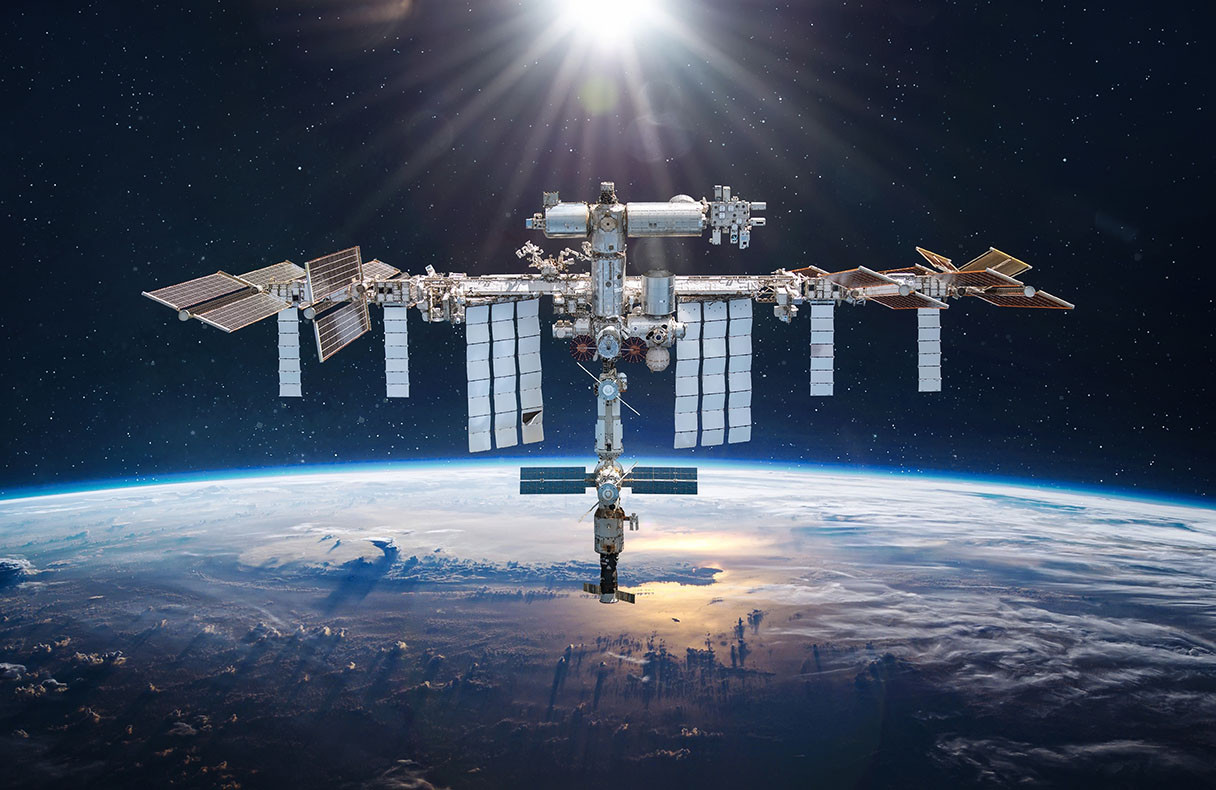
Sharma told Science he is looking ahead to what comes after the International Space Station retires in the not-so-distant future. Cedars-Sinai plans to use Haven-1, a commercial station under construction, for biomedical experiments as early as next year. He remains optimistic about the future of research in low-Earth orbit.
“So many people are trying to get into the game now,” he said.
Sharma told Science he also would welcome the chance to run his own experiments in space, lending his biomedical expertise to a mission. Given the opportunity, “Selfishly, yes—I would love to,” he said.
Read the complete article from Science.