


Research Tip Sheet: AEDs, Pharmacy, Cancer, Cellular Biology
The Latest Advances From Cedars-Sinai Investigators
 A New Algorithm Could Improve Location of Lifesaving Devices
Cedars-Sinai Health Sciences University investigators and colleagues created an algorithm designed to use data on sudden cardiac arrests to determine the best public locations for lifesaving devices called automated external defibrillators. Their findings were published in IJC Heart & Vasculature.
Known as AEDs, the portable devices deliver an electrical shock, with an aim to restart the heart when it stops beating due to sudden cardiac arrest. Sudden cardiac arrest is common and usually fatal when it happens somewhere other than a hospital.
“Research shows that the sooner a bystander can locate and use an AED, the higher the likelihood that the person experiencing sudden cardiac arrest survives,” said Sumeet Chugh, MD, vice dean and chief AI Health Research Officer at Cedars-Sinai, and senior author of the paper.
The investigators reviewed data on incidents of sudden cardiac arrest in Ventura County, California, and Multnomah County, Oregon, that took place between 2012 and 2023. The algorithm they created identified clusters of three or more incidents that occurred within a 100-meter radius of each other, and proposed AED locations within 200 meters of where these clusters occurred.
Future studies will be needed to determine whether the algorithm is an improvement over current AED location strategies, the investigators said.
“These community-based studies are a huge team effort that involves ongoing collaborations with colleagues in emergency medical services and the fire department,” said Chugh, who is also director of the Center for Cardiac Arrest Prevention in the Smidt Heart Institute. “We hope researchers use this algorithm to study how the placement of AEDs reduces deaths from sudden cardiac arrest.”
Cedars-Sinai investigator Elizabeth Heckard, MS, is first author of the paper. Additional Cedars-Sinai authors include Harpriya Chugh, BE, MSHS, and Kyndaron Reinier, PhD, MPH.
Other authors include Katy Hadduck, Bryan McNally, Ali Sovari, Jonathan Jui, and Angelo Salvucci.
 Cedars-Sinai Studies Pharmacist-Led Transitions-of-Care in Older Adults
Older hospitalized patients who struggled with taking their medications correctly were 10% less likely to need to return to the hospital if they had a pharmacist’s help at discharge, according to a new multisite clinical trial based at Cedars-Sinai. But the findings, published in JAMA Network Open, found the extra help didn’t significantly reduce unplanned hospital visits for the rest of those 55 and older.
The trial included more than 6,000 hospitalized older adults on high-risk or multiple medications, randomly assigning some to receive special pharmacist-led review of their medications and follow-up based on any issues identified. Investigators tracked patients’ hospital readmissions and emergency department visits for 30 days after discharge.
“The study suggests that pharmacist-led care could be beneficial for certain patients,” said Joshua Pevnick, MD, MSHS, co-director of the Cedars-Sinai Division of Clinical Informatics, associate professor of Medicine and corresponding author of the study. “With this new data, we encourage hospital care teams to ensure they support patients with low medication adherence and understanding, as they likely would benefit most from the efforts of our strong pharmacy transitions-of-care team.”
Other Cedars-Sinai authors include An T. Nguyen, OTD, OTR/L, BCG; Kallie Amer, PharmD, BCPS; Carl T. Berdahl, MD, MS; Galen Cook Wiens, MS; Hiroshi Gotanda, MD, PhD; James Guan, PharmD, BCPS; Andrew J. Henreid, MS, MPH; Donna W. Leang, PharmD, MSHS, BCPS; Yervant Malkhasian, PharmD; Teryl K. Nuckols, MD, MSHS; Audrienne S. Ortiz, PharmD, BCPS; Emily Phung, PharmD, BCPS; Nabeel Qureshi, PhD, MPH; Rita Shane, PharmD; and Shirley Wu, PharmD, BCPS.
Other authors include Korey Kennelty, PharmD, MS, PhD, BCGP, John Fanikos, RPh, MBA; Julie Fiskio; Michelle S. Keller, PhD, MPH; Eunji M. Ko, PharmD; Lina Matta, PharmD, MPH, BCPS; Dylan Moriarty, PharmD, BCACP, BCGP; Logan Murry, PharmD, PhD; Annie Muske, PharmD; Onyeche Oche, RPh, PhD, MBA-HCA; and Jeffrey L. Schnipper, MD, MPH, MHM on behalf of the PHARM-DC Group.
Funding support for this study was provided by the National Institutes of Health, National Institute on Aging, grant number R01AG058911 (to Joshua Pevnick). Additional funding support was provided by the UCLA Clinical and Translational Science Institute under grant number UL1TR001881 and the American Society of Health-System Pharmacists Research and Education Foundation.
 Scientists Target Key Protein Duo Driving Colon, Liver Cancer
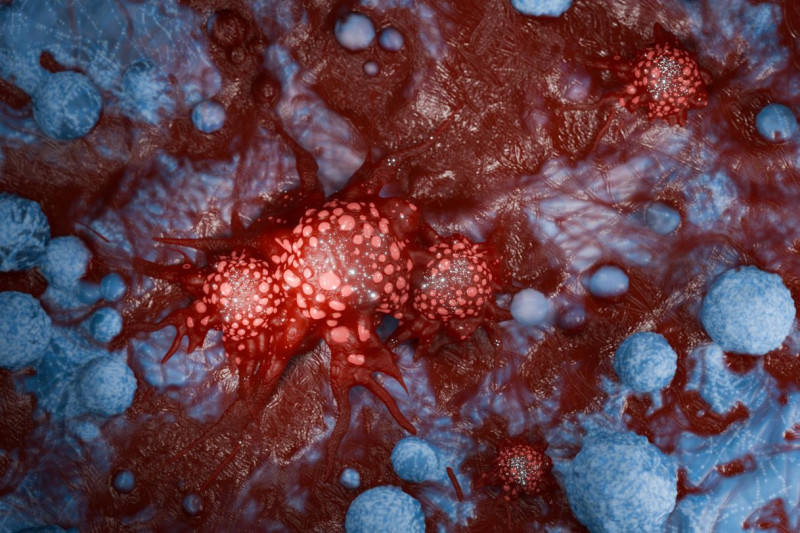
Cedars-Sinai Health Sciences University investigators have identified a drug-like compound that prevents two proteins from working together to promote the growth of colorectal and liver cancer. Findings from the preclinical study were published in Cell Death & Disease.
Investigators focused on the proteins GIT1 and MAT2B, which are found at unusually high levels in these cancers. The proteins partner to form a “scaffolding” that drives cancer growth. The team discovered that a compound called C3 targets GIT1 and disrupts this structure. The disruption slows cancer cell growth and triggers cancer cell death, which helps prevent the cancer from spreading.
Colorectal cancer is among the most diagnosed cancers, and its spread to the liver is a common, serious and life-threatening complication.
“We were pleased to find a promising drug candidate that attacks colon and liver cancers simultaneously,” said Shelly Lu, MD, the Women’s Guild Chair in Gastroenterology, director of the Karsh Division of Gastroenterology and Hepatology at Cedars-Sinai, and the study’s corresponding author. “And because GIT1 is overactive in many cancers, this discovery could have broad and powerful applications in cancer treatment.”
The next step is to refine the compound to improve its effectiveness.
In related research, Lu, a member of Cedars-Sinai Cancer, and Cedars-Sinai investigators recently uncovered another way colorectal cancer spreads. They found that cancer cells release two forms of an enzyme called MATα2 that work together to weaken the liver’s natural defenses, which helps cancer spread to the liver and survive there. The findings suggest that blocking this process could offer another promising future treatment approach.
Additional Cedars-Sinai authors include Hui Peng, Jyoti Chhimwal, Wei Fan, Jiaohong Wang, Lucia Barbier-Torres, Sonal Sinha, Avradip Chatterjee, Yi Zhang, Maria Lauda Tomasi and Ramachandran Murali.
Additional authors include Jose M. Mato.
Funding: The work was supported by NIH grant P01CA233452 (SC Lu, ML Tomasi), Plan Nacional of I+D SAF2017-88041-R (JM Mato).
Disclosures: SCL and RM have filed a patent for small molecule inhibitors of GIT1 (Title: COMPOUNDS AND METHODS FOR TREATING CANCERS; Application No. 63/422,672; Filed: Nov. 4, 2022).
 Cedars-Sinai Creates First Working Model of Specialized Gut Cells
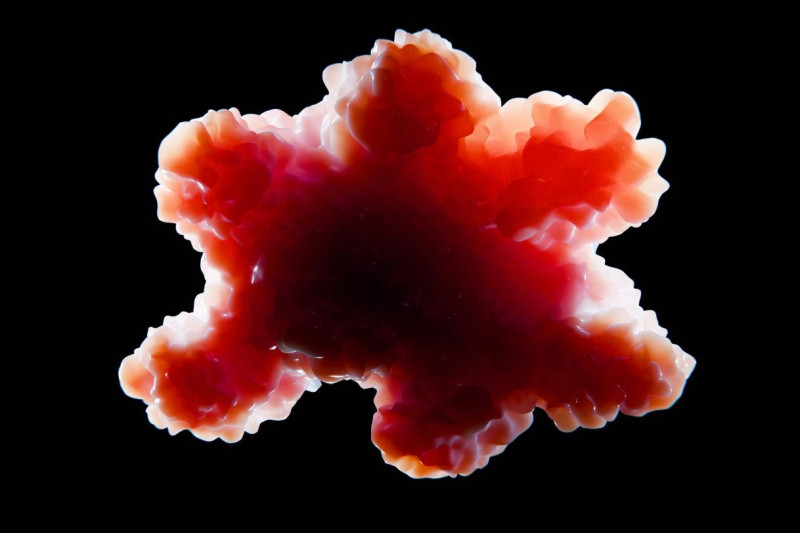
Cedars-Sinai Health Sciences University investigators have for the first time created human intestinal organoids that include functional Paneth cells, a specialized cell type that is found in the inner lining of the intestine. This achievement, published in Cellular and Molecular Gastroenterology and Hepatology, facilitates study of the cells’ role in health and disease and opens new opportunities for understanding gastrointestinal disorders.
Organoids are tiny groups of cells, grown in the lab, that mimic some of the structure and functions of actual organs. The organoids are generated from induced pluripotent stem cells, which can be turned into many different cell types.
“The model of Paneth cells that we developed can facilitate research into how genetic variations, microbes and the intestines’ immune system influence them,” said Robert Barrett, PhD, associate professor of Medicine and Biomedical Sciences and corresponding author of the study. “This knowledge is important because changes in Paneth cells are associated with chronic gastrointestinal disorders such as Crohn’s disease that involve abnormal reactions of the immune system.”
No team of investigators had previously been able to grow intestinal organoids that included functional Paneth cells. By changing the environment in which the organoids were grown, investigators this time were successful. In addition, because organoids derived from induced pluripotent stem cells carry the donor’s genetic material, the new model eventually could lead to personalized treatments for gut illnesses such as inflammatory bowel disease, according to the investigators.
Additional Cedars-Sinai authors include Shachi Patel, Monica Silveira Wagner, Olivia Bay, Christian E. Wong Valencia, Eliska Zgarbova, Cynthia I. Rodriguez, Daniel N. Leal, Michifumi Yamashita, Suzanne Devkota, Kathrin S. Michelsen and Stephan R. Targan.
Funding: Supported by the National Institutes of Health R01 DK123511 (SRT) and the F. Widjaja Inflammatory Bowel Disease Institute. MSW and CWV were supported by the California Institute for Regenerative Medicine (CIRM EDUC4-12751). The study sponsors played no role in the study design collection, analysis, or interpretation of data.
Disclosures: Shachi Patel, Monica Silveira Wagner, Stephan R. Targan and Robert J. Barrett are named as inventors on a U.S. Application No. 19/458,165, each titled “Methodologies to Generate Human Paneth Cells and Enterochromaffin Cells and Determine Their Responses.” The remaining authors disclose no conflicts.
 Study Identifies Genetic Drivers of Resistant Hypertension
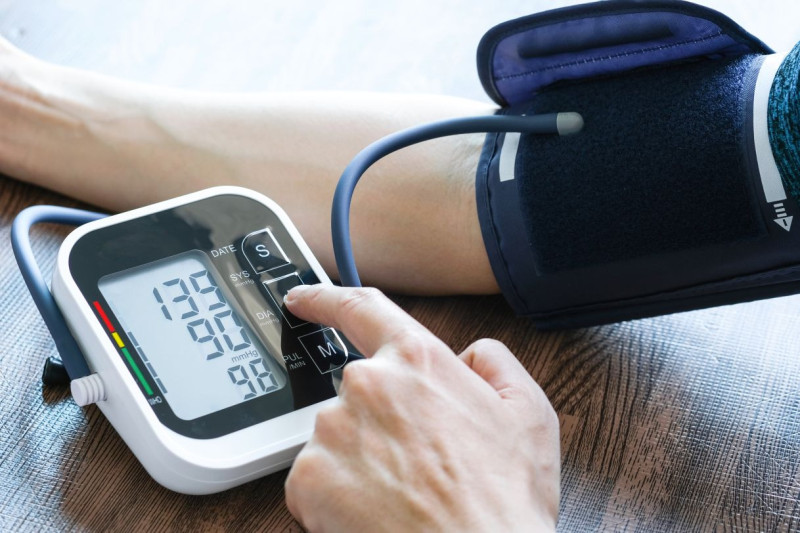
Cedars-Sinai investigators have identified distinct genetic variants associated with resistant hypertension, a type of high blood pressure that remains uncontrolled despite medication. Their findings, published in the journal Hypertension, suggest potential targets for diagnosing and treating this serious condition.
More than 10% of people with high blood pressure have resistant hypertension, which means they face higher risk of cardiovascular illness and death than people with nonresistant high blood pressure do.
Investigators reviewed genetic data on 92,740 people with consistently high blood pressure in Finland and the United Kingdom. The study identified variants in genes involved in hormonal regulation and blood vessel function that are highly associated with resistant hypertension. The findings highlight overproduction of the hormone aldosterone as a likely cause of difficult-to-control blood pressure.
“Understanding the genetic and bodily pathways that predispose individuals to resistant hypertension may help us identify these patients,” said co-corresponding author Joseph Ebinger, MD, associate professor of Cardiology and director of the Coronary Intensive Care Unit and Clinical Analytics in the Smidt Heart Institute at Cedars-Sinai. “This knowledge can help us develop strategies to lower their blood pressure and reduce their risk for heart attacks and other potentially fatal cardiovascular events.”
Additional Cedars-Sinai authors include Sandy Y. Joung, MSHS, MBA, and Susan Cheng, MD, MPH.
Other authors include Anni Kauko, PhD; Felix Vaura, MD; Paul Hage, BS; Johan Sundström, MD; FinnGen; and Teemu Niiranen, MD.
Funding: This work was funded by the Academy of Finland (321351), the Finnish Foundation for Cardiovascular Research, the Paavo Nurmi Foundation, the Sigrid Juselius Foundation, the Mary and Georg Ehrnrooth Foundation, the Hospital District of Southwest Finland, and the National Institutes of Health grants R01-HL134168, R01-HL131532, R01-HL143227, R01-HL142983, K23-HL153888, K23-HL136853, and R01-HL153382.
 New Method Rapidly Analyzes Cell Proteins and Metabolites
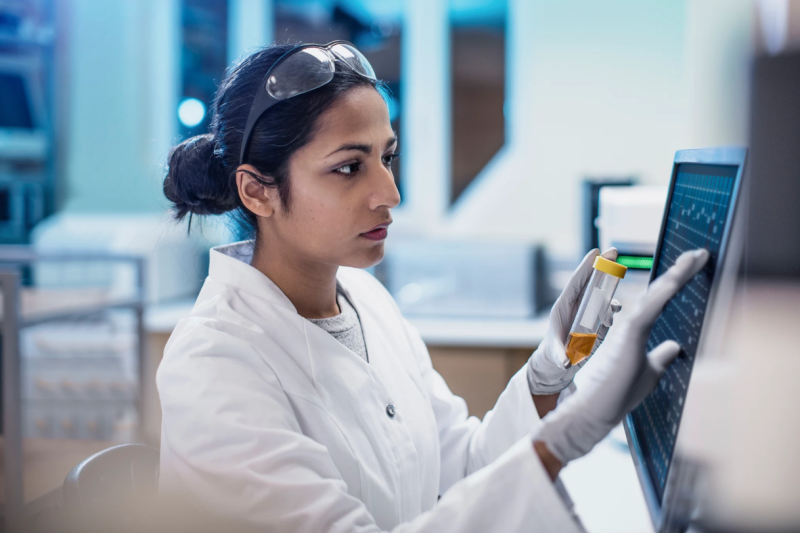
Researchers at Cedars-Sinai have developed a fast, new technique for analyzing cells, described in the journal Angewandte Chemie. The approach, called single-injection multi-omics analysis by direct infusion (SMAD), can detect more than 1,300 proteins and more than 9,000 molecular features from a single sample in less than five minutes. The method could help researchers study health, disease and drug responses more quickly and at lower cost, while simplifying analyses that usually require more complex workflows.
To show how the method can be used, the researchers applied it in several case studies. These included tracking how immune cells shift into different inflammatory states and screening how human cells respond to drug treatments.
“By making molecular analysis faster, this approach could one day accelerate drug discovery, enable more powerful machine learning models, and help move rapid, large-scale biological testing closer to clinical use,” said Jesse Meyer, PhD, senior author of the study and an assistant professor of Computational Biomedicine at Cedars-Sinai.
Additional Cedars-Sinai authors include Yuming Jiang, Amanda Momenzadeh and Jesús Muñoz-Estrada.
Other authors include Ivan Salladay-Perez, Utkarsh Tripathi and Anthony J. Covarrubias.
Funding: NIH (R35GM142502, R35GM156893, and R21AG074234).
Cedars-Sinai Health Sciences University is advancing groundbreaking research and educating future leaders in medicine, biomedical sciences and allied health sciences. Learn more about the university.