



Little-Known Heat Health Risk: Kidney Stones
Cedars-Sinai Urology Expert’s Practical Tips for Avoiding Kidney Stones in Hotter Months
As temperatures continue to soar in Southern California, the sweltering weather is associated with numerous health risks, including heat exhaustion and heatstroke. But while temperatures rise, so does the risk of another common and extremely painful issue: kidney stones.
“Dehydration when you’re in drier, hotter climates is a big risk for the formation of stones. The more you sweat or lose fluids, the more concentrated your urine becomes,” said Cedars-Sinai urologist Arash Akhavein, MD. “When urine is too concentrated, it won’t dilute minerals effectively, and those are the conditions under which stones may form.”
What Are Kidney Stones?
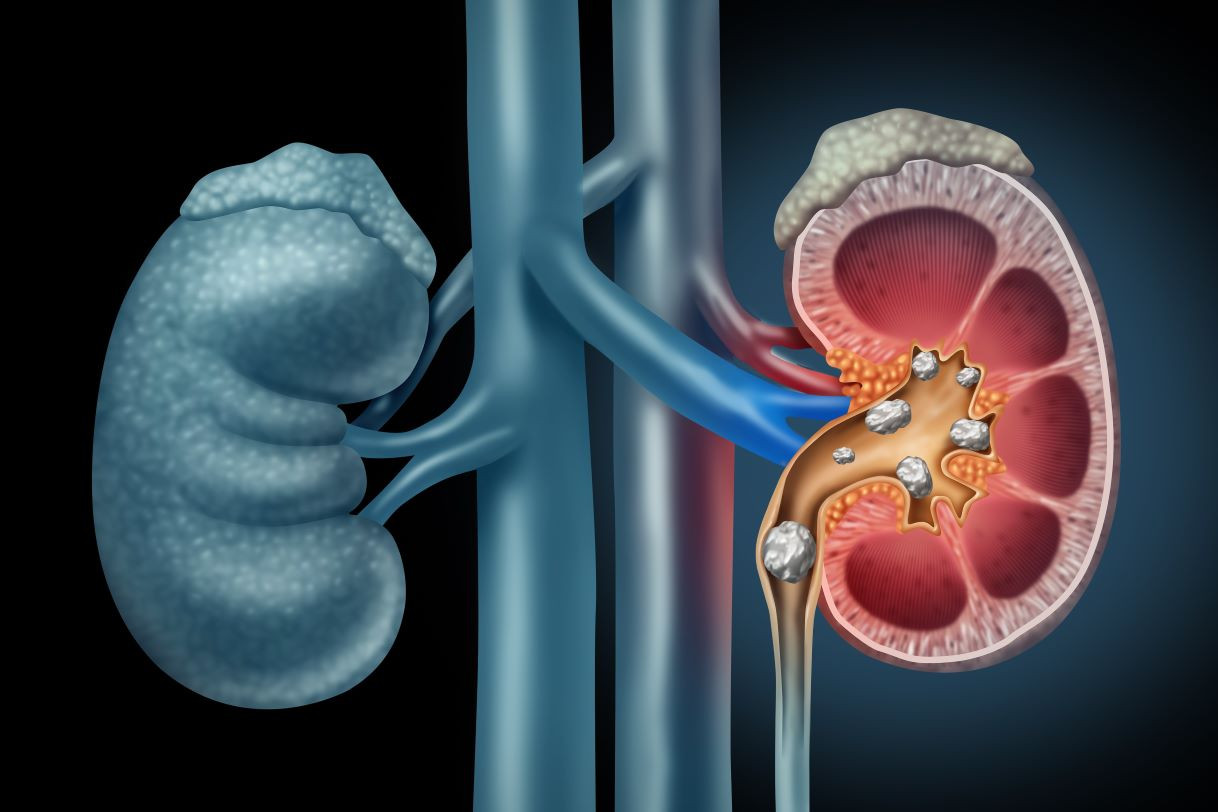
Kidney stones are hard substances that form inside the kidneys, usually composed of minerals and salts, such as calcium, oxalate or uric acid. When these stones pass through the ureter, thereby obstructing the flow of urine, they are known to cause excruciating pain.
Who Is at Risk?
“What makes people form stones can be multifactorial,” said Akhavein, adding that diet and genetics also play significant roles.
Those with family history of kidney stones and patients with certain digestive disorders, such as inflammatory bowel disease or chronic diarrhea, are at a higher risk. Approximately 10% of people will develop a kidney stone in their lifetime, according to the National Kidney Foundation, with men at a slightly increased risk than women.
Treatment Options for Stones
While some stones may pass on their own, others may require intervention to remove. This is true especially when they are large and causing blockage, uncontrollable pain or vomiting. Many patients receive shock wave lithotripsy, a noninvasive procedure that focuses high-energy sound waves to break up stones in the urinary tract into smaller, passable fragments.
The most common surgical procedure Akhavein performs is ureteroscopy. This involves guiding a scope through the urethra, during which he can use a laser to break and remove the stone fragments, while placing a temporary ureteral stent to allow passage of urine until swelling resolves.
In more extreme cases, patients may require percutaneous nephrolithotomy, a surgical procedure that punctures through the back into the affected kidney to directly remove stones that are too large to break up or remove through the ureter.
Tips for Kidney Stone Prevention
If you are prone to kidney stones, Akhavein suggests:
- Hydrate, hydrate, hydrate
According to Akhavein, healthy adults should produce about 2 ½ liters of urine or more in a 24-hour period to prevent stone formation or reformation. He recommends drinking about 3 liters of water daily, spaced throughout the day for these patients.
- Make lemonade
The citric acid found in lemon and lime juice can help protect against stones forming or getting larger, so adding lime or lemon to your water or enjoying a glass of fresh-squeezed, sugar-free lemonade is a delicious prevention tactic.
- Mindful eating
Limiting foods that are high in oxalate, such as spinach, kale and nuts; avoiding excess animal proteins; consuming normal amounts of calcium; and reducing salt intake may help reduce stone production.
“You don’t need to avoid these things altogether,” Akhavein said. “Everything is fine in moderation.”
Read more on the Cedars-Sinai Blog: What You Need to Know About Kidney Stones