


Then and Now: 40 Years of Trauma Care
Cedars-Sinai Has Been Designated as Providing Highest Level of Trauma Care Since 1984
In the 40 years since Cedars-Sinai was first designated as a Level I Trauma Center—the highest level—by the American College of Surgeons Committee on Trauma (ACS COT), Daniel Margulies, MD, has seen a lot of changes, from the rise of advanced imaging and minimally invasive procedures to heightened consumer safety protections.
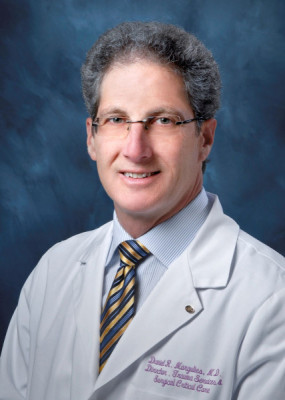 What do all those changes have in common? The ability for trauma surgeons to be more deliberate when every second counts, said Margulies, director of Acute Care Surgery in the Jim and Eleanor Randall Department of Surgery at Cedars-Sinai.
“One of the biggest advancements we’ve made is actually knowing when we can avoid an operation,” said Margulies, who joined Cedars-Sinai in the early 1990s and was medical director of Trauma for more than 25 years.
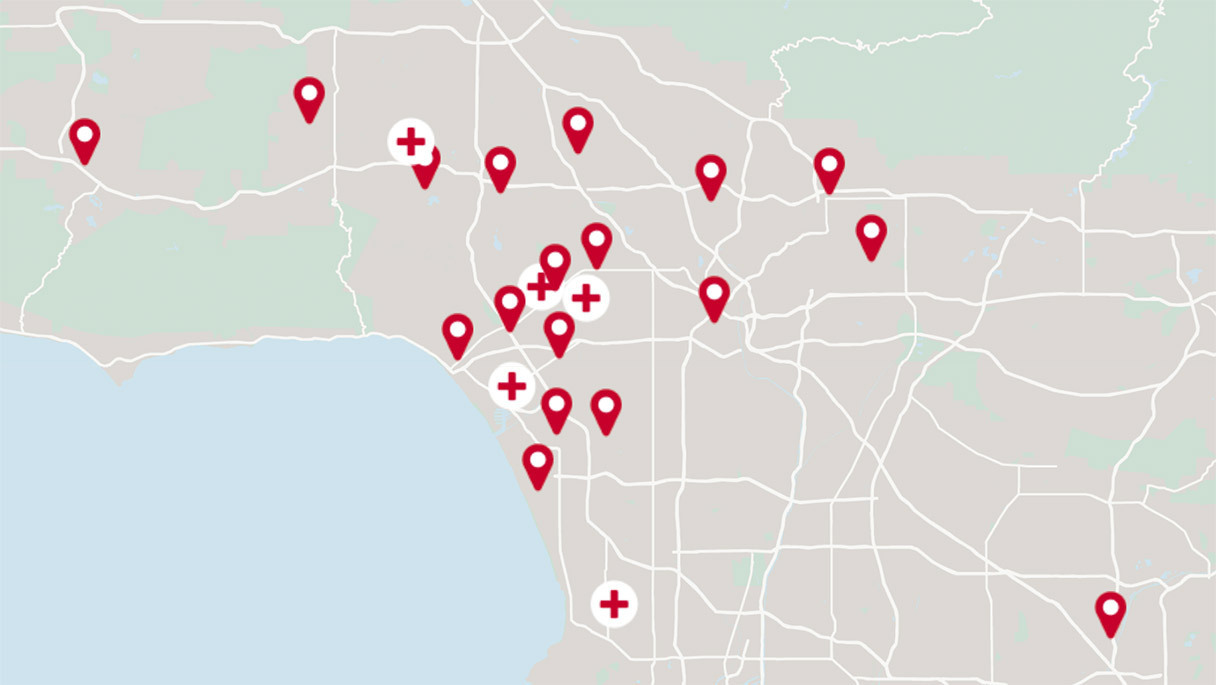
It was 1984 when Cedars-Sinai was first designated a Level I Adult Trauma Center and, after its most recent evaluation and recertification by the ACS COT, it continues to be one of the longest-running Level I centers in Los Angeles County.
“Maintaining Level I status for our hospital ensures that patients in our community have access to a center capable of managing any injury, no matter the severity, with the full spectrum of subspecialty support,” said Galinos Barmparas, MD, medical director of Trauma at Cedars-Sinai. “Patients can expect coordinated, expert and compassionate care delivered by a team that lives and breathes trauma readiness.”
Advancements in Care
Early in Margulies’ career, trauma patients often required more invasive, exploratory surgery to determine a diagnosis, Margulies said. But as imaging technologies improved, the care team could make better-informed decisions.
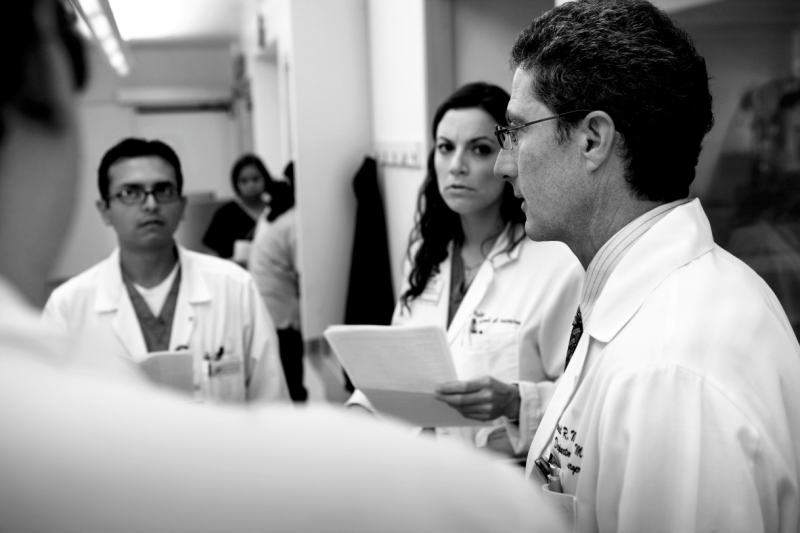 “The increased quality and speed of CT scans have made a big difference,” Margulies said. “And bedside ultrasound also became more common in the ’90s with the focused abdominal sonography in trauma—or FAST—exam, which allows us to make more rapid assessments of critically ill patients and provide more minimally invasive care when appropriate.”
Aside from better treatment techniques and technologies, Margulies said the types of trauma injuries he sees have also shifted.
“Before seatbelt laws were strictly enforced and airbags were required in cars, we saw a lot of head injuries and extreme traumas from ejection following motor vehicle collisions,” Margulies said. “Now that some of those safety measures are in place, we actually see more pedestrians hit by cars, potentially due to distracted driving.”
Margulies also noted that, because the patient population is getting older, many traumas the team treats now are a result of falls.
The trauma team at Cedars-Sinai has grown over the past 40 years as well. In 1999, ACS rules for Level I trauma centers began requiring an attending surgeon to always be on-site, 24 hours a day, seven days a week, 365 days a year.
“There were five of us who were attendings at that time, so I practically lived at the hospital,” Margulies said.
Since then, the team has more than doubled to 11 attending surgeons on faculty, with the expectation to grow. Additionally, all Cedars-Sinai trauma surgeons have completed a fellowship in surgical critical care.
What the Future Holds
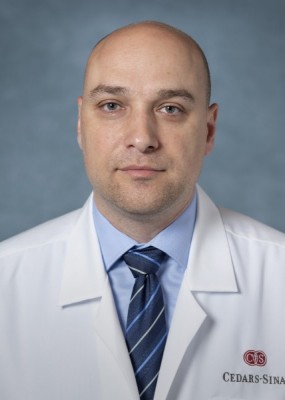 Cedars-Sinai will continue to be evaluated by the ACS COT every three years to be redesignated as a Level I center.
“This reverification is both a validation and a reminder of the tremendous daily effort by our trauma team. It represents not just excellence in meeting national standards but a sustained commitment to continuous improvement and compassion in trauma care,” Barmparas said. “Every verification cycle is an opportunity to reflect on how far we’ve come and how we can keep pushing the standard forward for our patients and community.”
Read more from the Cedars-Sinai Blog: Stop the Bleed Courses at Cedars-Sinai