


One Year After LA Fires: Resilience in Action

Cedars-Sinai Psychiatry Expert Explains Why Adaptability, Flexibility, Connection and Purpose Matter as Southern Californians Continue to Recover From Disaster
One year after wildfires tore through Pacific Palisades and Altadena, upending hundreds of thousands of lives across Los Angeles, many residents are still navigating recovery—rebuilding homes, reestablishing routines and managing the emotional aftershocks of disaster.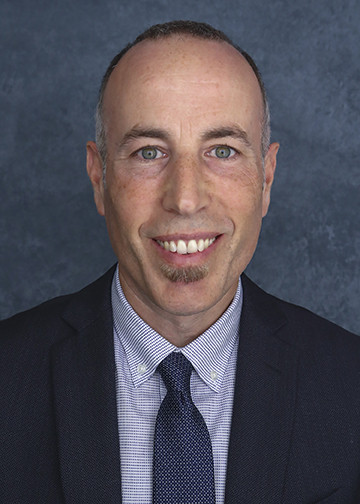
As communities mark the anniversary, questions about resilience feel especially relevant: What does it mean to be resilient? Do resilient people share common traits? Can resilience be strengthened over time?
The answers, said Itai Danovitch, MD, chair of the Department of Psychiatry and Behavioral Neurosciences at Cedars-Sinai, are layered and complex.
“The notion that resilience is just pulling yourself up by your bootstraps is an oversimplification,” Danovitch said. “When we think about resilience, we must avoid applying our own framework to somebody else’s situation. Rather, we need to recognize that there may be different conditions shaping their response.”
The Cedars-Sinai Newsroom recently spoke with Danovitch about the science of resilience, the role of meaning and social connection, and what the past year reveals about resilience as Angelenos continue to recover and adapt.
What is resilience?
Resilience is often misunderstood. In reality, it is the capacity to adapt—to focus on what can be brought under your control so you can better cope with what you cannot control. At its core, resilience involves flexibility: adjusting expectations, behaviors and coping strategies in response to changing circumstances.
Do resilient people share common traits?
There isn’t a single profile for resilience because people differ widely in their skills, resources and circumstances. An artist, a professional athlete and a surgeon may each rely on very different strategies to navigate stress and adversity. Some people have a more positive outlook, and others are more cautious and skeptical. Both approaches can be valuable. Faith and spirituality can serve as anchors for some people, while others find different ways to ground them in challenging times. There are multiple ways to respond to the world around us, and resilience is less about having the “right” traits and more about being able to use the tools available to us in ways that fit our lives.
Are there shared building blocks?
While resilience looks different across individuals, a related area of research focuses on meaning-making, a concept closely associated with psychiatrist and Holocaust survivor Viktor Frankl, author of Man’s Search for Meaning. Frankl argued that even in the face of profound suffering, the ability to find purpose can help preserve one’s sense of self. If you can make or find meaning, you can adapt, and if you can adapt, you can survive.
What else shapes resilience?
Like most psychological characteristics, resilience is shaped by biology, psychology and social environment. Early life experiences matter. Stability, love and support can strengthen coping skills, while trauma also can leave lasting imprints. But resilience cannot be predicted by childhood experiences alone. Developmental experiences interact with biological predispositions in ways that aren’t always linear or predictable.
Can resilience be improved?
Yes. There is substantial research on how to recover from adversity; I’ll simplify it into four broad categories. The first is improving emotional awareness—learning to recognize, name and express feelings. This awareness makes emotional regulation possible, whether through taking a timeout during emotional distress or practicing mindfulness or breathing exercises. The time to manage a highly charged conflict is not when you’re overwhelmed, but when your mind and body are calm enough to access your own wisdom. Frankl’s insight is relevant here: While you can’t always control your circumstances or feelings, you can control your attitude and response. The second category involves setting boundaries and expectations, which allows people to express agency and protect themselves emotionally or physically. The third is self-care—including adequate sleep, proper nutrition, physical activity and stress management. The fourth is meaning-making and social connection—cultivating relationships, community and experiences that provide a sense of purpose. One important note: It’s easy to talk about strengthening resilience. It’s much harder to practice it consistently.
What can the L.A. wildfires reveal about community resilience?
The story is still unfolding. Recovery isn’t cut and dry, and it doesn’t end just because it’s been a year. Disaster research shows emotional responses often emerge in phases. There’s the initial crisis and response people must navigate, and then there are phases of the psychological effects that tend to surface later. The continued impact on families and communities remains profound. We’ll continue to see regrowth and rebuilding as people navigate new challenges and curveballs. The bottom line is that it’s important to remember that flexibility—both in how resilience is defined and how it’s practiced—is central to understanding recovery from adversity.
Read more on the Cedars-Sinai Blog: The Power of Healthy Stress