



Los Angeles Times: The Truth About High-Protein Packed Foods and Your Fitness Goals
The Los Angeles Times recently interviewed Breanna Pottebaum, RD, a dietitian at Cedars-Sinai, about how not all protein is created equal amid the growing number of chips, cookies and ice cream labeled with added grams of protein.
While dietitians say protein supports feeling full, weight control and muscle building, the type of protein consumed makes a difference. Protein bars, for example, often contain added sweeteners and fats that can reduce the body’s ability to access amino acids—the building blocks of protein.
“You look over at the ingredients and it matches and makes sense on why … it hits the protein that you’re wanting, but then also it’s coming along with a bunch of not so fun, high-fat, high-sodium, and high-sugar ingredients,” Pottebaum said.
Pottebaum told the Los Angeles Times that plant-based snacks, such as those made with rice or pea protein, do not contain all essential amino acids and need to be paired with other protein-rich foods.
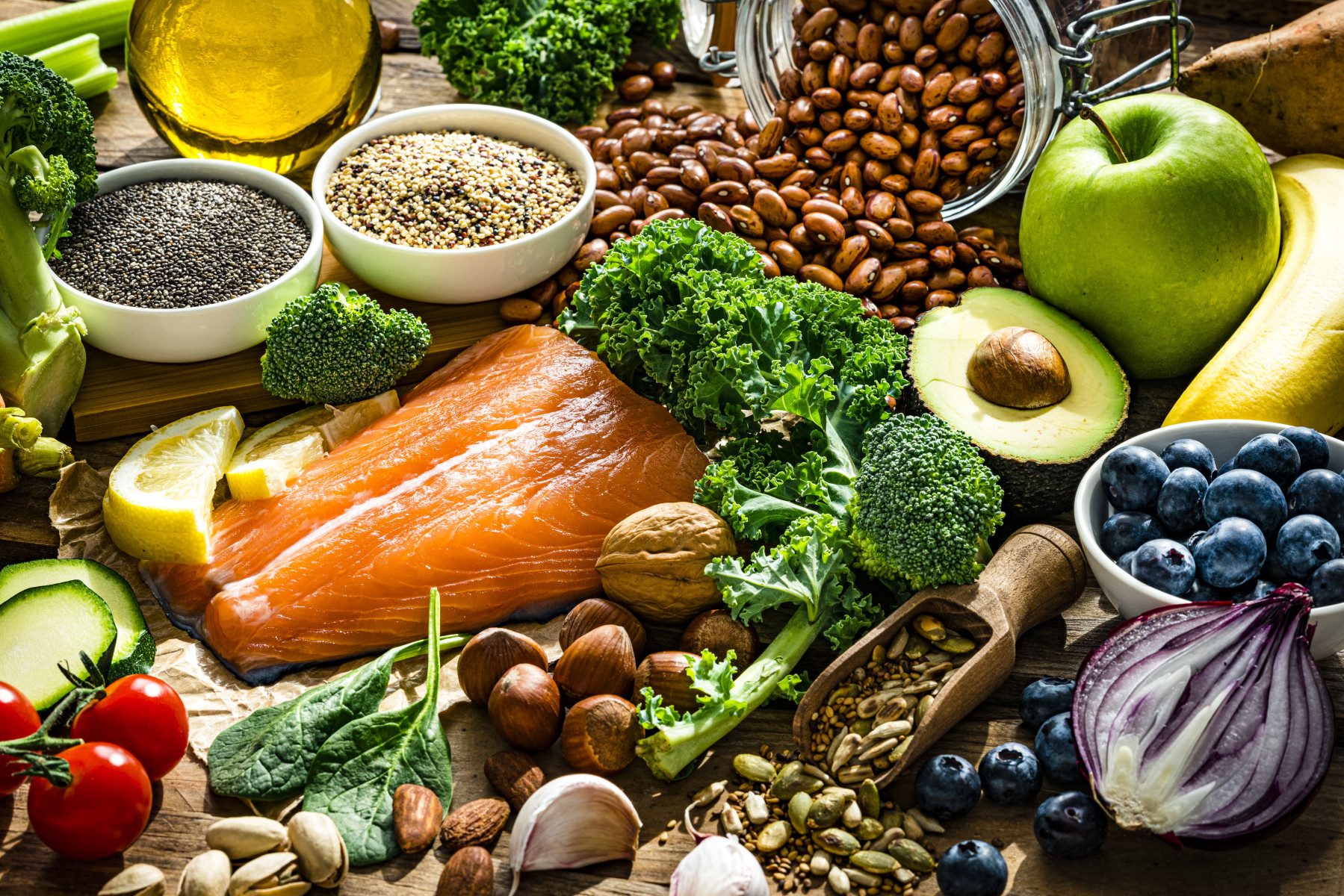
She encourages people to get the bulk of their protein from whole food such as chicken, beans and eggs. Pottebaum also said that whey, soy and casein proteins contain all the essential amino acids needed to help build muscle and aid recovery after a workout.
“While chips and protein can give a little protein boost, it definitely should not be the main base for really, anyone, especially athletes,” Pottebaum said. “If you can, hit 70% of whole food protein sources a day. That is wonderful. That’s a great place to be.”
For people interested in gaining muscle, Pottebaum recommends eating 20 to 30 grams per meal.
Read the complete article from the Los Angeles Times.