

Becker’s Healthcare Podcast: Expanding Access, Translational Research, and the Future of Cancer Care
Becker’s Healthcare Podcast recently interviewed Robert Figlin, MD, interim director of Cedars-Sinai Cancer, about how Cedars-Sinai is expanding cancer care access, bridging scientific discovery and clinical care, and meeting the needs of a diverse patient population.
Figlin told podcast host Elizabeth Gregerson that access is the cornerstone of effective cancer care, especially in a geographically dispersed city like Los Angeles.
“If you are a cancer patient and you want access to our health system or any health system across the country, you want to know that when you are at risk for that diagnosis, you are going to be able to access experts—people capable of delivering care in an expedited fashion,” Figlin said.
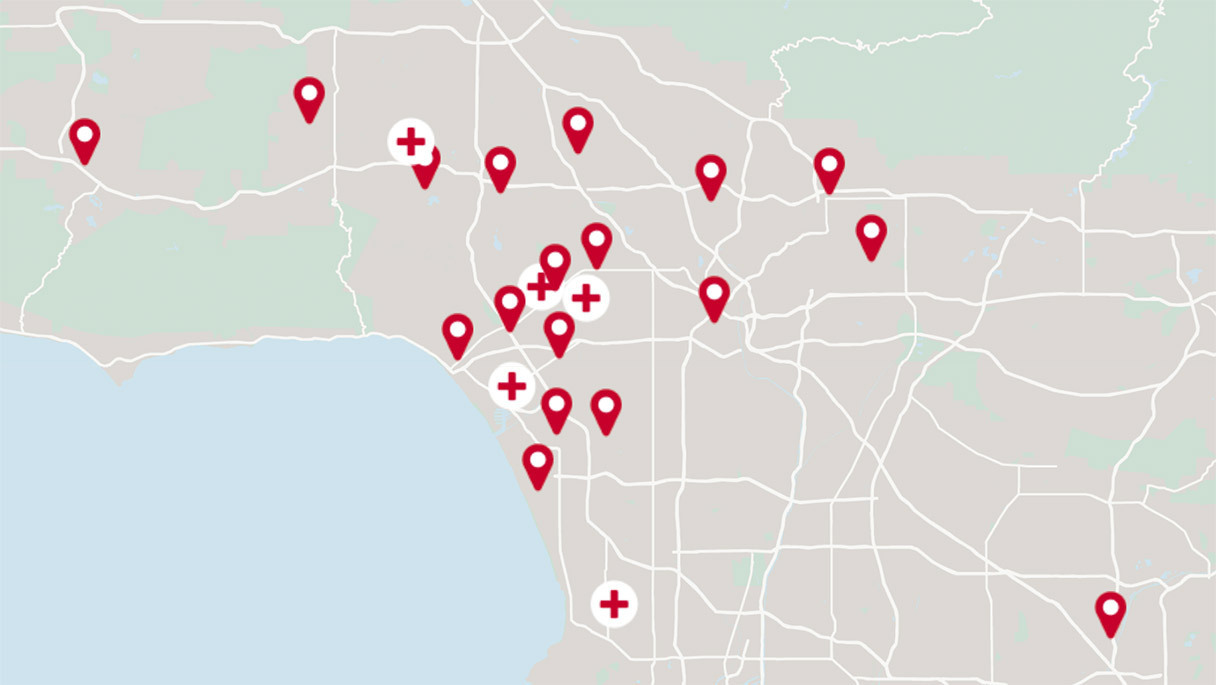
He told Gregerson that because Cedars-Sinai serves approximately 12.5 million people across a sprawling area, the health system has adopted a model that brings expertise to patients in their communities while reserving the medical center for specialized care that cannot be delivered locally.
“Patients would like to receive their care close to home, if at all possible,” Figlin said. “That is why we believe that health systems should consider bringing their expertise to their communities so that they can deliver care locally.”
He told Gregerson clinical research is inseparable from patient care at Cedars-Sinai, where investigators embed clinical trials throughout the health system and align research priorities with the needs of the diverse communities they serve.
“There is no line, in my view, between clinical care and research,” Figlin said. “When cancer patients want to receive their care, they want to know not only what is best available for them today, but what might be available to them for a possible treatment in the future.”
Figlin emphasized Cedars-Sinai’s patient-centric approach that guides every decision.
“We view everything that we do through the eyes of the patient,” he told Gregerson. “As long as we keep our eye on the ball, we will succeed because the patients want to see that they are part of a larger organizational structure so that if and when they need us, we will be there for them.”
Listen to the complete segment from Becker's Healthcare Podcast.