


Alzheimer’s Disease: The Complexities of Clinical Trials
Following Alzheimer’s Association International Conference, Cedars-Sinai Experts Discuss the Value of Findings, No Matter the Result
Cedars-Sinai physician-scientists joined peers from around the world at the Alzheimer’s Association International Conference in July. The scientific presentations at the conference included data from clinical trials of potential therapies for the neurodegenerative disease.
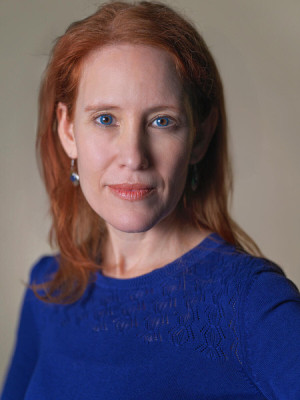 Still, more than 90% of Alzheimer’s disease trials do not yield the hoped-for result, said Mitzi Gonzales, PhD, director of Translational Research in the Jona Goldrich Center for Alzheimer’s and Memory Disorders. There is still something to learn from each study, Gonzales said.
“Even trials that aren’t considered successful are incredibly important in shaping our scientific knowledge,” Gonzales said. “Trials that show us that one pathway isn’t working can push us in new directions.”
That was the case with recently published results of a trial Gonzales led testing a drug called rapamycin. In preclinical studies, rapamycin was associated with increased longevity and reduction in many age-related symptoms and conditions.
“Data from preclinical studies showed rapamycin reduced buildup of amyloid beta and tau proteins in the brain, which we know are associated with Alzheimer’s disease,” Gonzales said. “We were hoping to see similar results in humans.”
Instead, levels of amyloid and tau increased, Gonzales said.
“That result has raised its own scientific questions and led to some other avenues of research,” Gonzales said. “So it has been helpful for pushing us in new directions, including looking at whether it might be more effective in earlier-stage disease.”
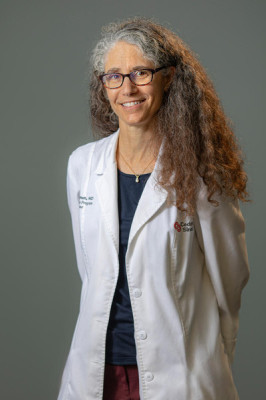 Samples—such as blood and cerebrospinal fluid—taken during unsuccessful clinical trials can also lead to breakthroughs down the road, said Sarah Kremen, MD, director of the Neurobehavior Program.
“The pivotal A4 study tested a drug called solanezumab in cognitively normal people with elevated amyloid,” Kremen said. “The drug did not improve cognition or remove amyloid from the brain, but it was the first time that we'd ever studied anybody who was asymptomatic but at risk. It was a really big deal.”
Studies done with samples from that trial contributed to a larger body of work showing that a biomarker called pTau217 can be an early indicator of Alzheimer’s disease. And that marker is used in the first Food and Drug Administration-approved blood test for the accumulation of amyloid plaques in the brain, Kremen said.
Gonzales and Kremen noted the many reasons Alzheimer’s disease has proved so challenging, including its multiple likely causes, the fact that these factors are present for many years before the disease is detectable, and the complexity of the brain itself.
“The brain is not as well understood as other organs and the processes underlying neurodegenerative disease are complex,” Kremen said. “It will take time—and many more clinical trials—to unravel all the different mechanisms behind Alzheimer’s disease.”
Cedars-Sinai Health Sciences University is advancing groundbreaking research and educating future leaders in medicine, biomedical sciences and allied health sciences. Learn more about the university.