


Don’t Let Holiday Meals Spoil the Celebration: Expert Food Safety Tips
Cedars-Sinai Specialists Offer Advice on Preventing Food Poisoning, Preparing Meals Safely, Storing Leftovers and Supporting Digestive Health
When gathering to cook, celebrate and share meals, food safety becomes as important as the menu itself, according to gastroenterologist Mark Pimentel, MD, executive director of the Medically Associated Science and Technology (MAST) Program at Cedars-Sinai.
Pimentel points out that the days between Thanksgiving and New Year’s are among the riskiest for food poisoning, especially as large meals, buffets and leftovers become part of the festivities. Each year, about 48 million Americans—roughly 1 in 6—get sick from foodborne illnesses, leading to an estimated 128,000 hospitalizations and 3,000 deaths, according to the Centers for Disease Control and Prevention.
Pimentel and Cedars-Sinai clinical dietitian Albert Abayev, RD, who works with patients undergoing weight loss surgery and general surgery, serve up answers to common holiday food safety questions.
What new insights have emerged in recent years about food poisoning—its causes, risks and prevention?
Pimentel: Foodborne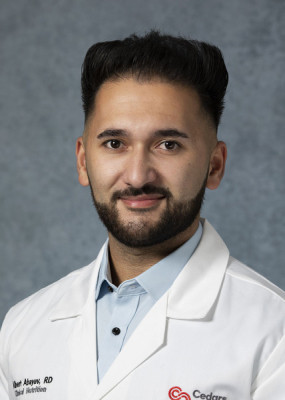 illness continues to result from contamination with bacteria such as E. coli, Salmonella, Shigella or Campylobacter jejuni. Improper handling remains a major source of contamination. Foods left out for hours—common during buffets and large gatherings—create ideal conditions for bacterial growth.
Abayev: Many holiday-related food safety issues stem from outdated traditions or rushed environments. Long stretches of food left out on counters, undercooked poultry or stuffing, crowding the refrigerator, thawing meats on the counter, and multitasking that can lead to cross contamination are among the most frequent problems.
How long does it take to get food poisoning—and is the last meal always to blame?
Pimentel: Symptoms do not always appear immediately. Certain infections may take up to 48 hours to incubate. When determining the likely source, consider foods eaten in the prior two days and whether others who shared them also became ill.
How long does food poisoning usually last—and is it contagious?
Pimentel: Most cases resolve within a few days. E. coli often clears quickly, while Salmonella and Campylobacter may last a week or longer. Foodborne illness is not contagious like a virus, but contamination can occur if a sick person prepares food for others. Those with any symptoms should avoid preparing meals until fully recovered.
What are the biggest food safety mistakes people make in holiday kitchens?
Abayev: Allowing food to sit at room temperature for extended periods is the most common issue. Once food has been out for more than two hours, bacteria grow quickly. Undercooking turkey, stuffing and casseroles is another frequent problem; all dishes should reach 165 degrees Fahrenheit. Cross contamination, refrigerator overcrowding and improper thawing also add to the risk.
How reliable are the 'smell test' or 'eye test' when judging leftovers, and how long do leftovers stay safe?
Abayev: Appearance and smell are not reliable indicators of safety. Many harmful bacteria do not alter a food’s odor or color. Leftovers should be refrigerated within two hours, used within three to four days and reheated to 165 degrees. Also, freezing the food preserves quality for several months.
How should people with digestive conditions—or those using GLP-1 medications for weight loss—approach holiday meals safely?
Pimentel: Individuals with irritable bowel syndrome, inflammatory bowel disease or other chronic gastrointestinal conditions are more susceptible to foodborne illness, and an infection can worsen symptoms or trigger flares. Careful food handling, thorough cooking and choosing low-risk foods are especially important.
Abayev: GLP-1 users on weight management programs may experience slower stomach emptying, making heavy holiday foods more likely to cause discomfort. Smaller portions, slower eating, prioritizing protein and staying upright after meals can help. Because food remains in the stomach longer, contamination may result in stronger symptoms.
What should people do to recover from food poisoning?
Pimentel: Recovery starts with hydration. Small, frequent sips of water, electrolyte drinks or broth help replace losses. Bland foods like toast, rice, bananas or broth-based soups can be added as symptoms improve. Medical care is appropriate if symptoms last more than a couple of days or if there is high fever, blood in the stool or signs of dehydration.
What is one of the biggest food safety concerns this year?
Pimentel: Improved monitoring has reduced contamination in meat but produce now poses growing concern. Field conditions may limit workers’ access to proper hygiene, and many vegetables are eaten raw, eliminating the safety benefit of cooking.
What is the most important takeaway for holiday hosts and guests?
Abayev: Temperature control is the foundation of food safety. Hot foods should stay hot, cold foods should stay cold and leftovers should be refrigerated promptly.
Pimentel: Better safe than sorry; no one wants a side of food poisoning with their holiday meal.
Read more on the Cedars-Sinai Blog: Weight-Loss Drugs—What to Know Now
Food Safety Tips from the Centers for Disease Control and Prevention:
- Cook food thoroughly, 165° for poultry
- Wash hands frequently
- Refrigerate/freeze after 2 hours
- Store in refrigerator 40° or below
- Keep hot food hot, cold food cold
- Toss leftovers after 3-4 days