Where Discovery Begins: Mentorship as Medicine
Date
July 9, 2026
Date
July 9, 2026
Medical providers featured in this article
In Brief
Decades before the launch of Cedars-Sinai Health Sciences University, mentorship was embedded in the medical center’s DNA.
“Even before we had graduate programs, the heart of our pedagogy—how we appealed to learners—was through mentorship,” said Patrick Patterson, EdD, a leader in faculty development at the university.
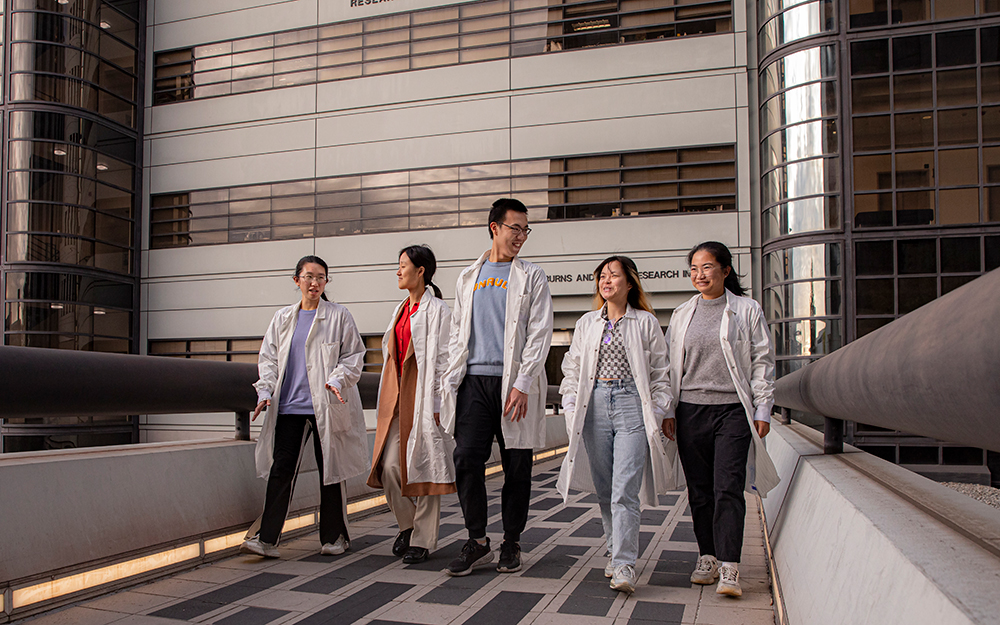
This legacy differentiates Health Sciences University from other high-level learning institutions. Our graduate and allied health programs are physically located in a preeminent academic medical center with direct access to mentors who are at the top of their fields. That approach empowers learners to move across disciplines, ask big questions and see themselves as future leaders in science and medicine.
“Health Sciences University learners train in an environment few institutions can match, with access to world-renowned clinician-scientists, advanced technologies, and robust clinical and translational datasets,” said Joshua Goldhaber, MD, vice dean of Graduate Education at the university and the Dorothy and E. Phillip Lyon Chair in Laser Research at Cedars-Sinai. “But it’s mentorship that transforms those assets into meaningful outcomes.”
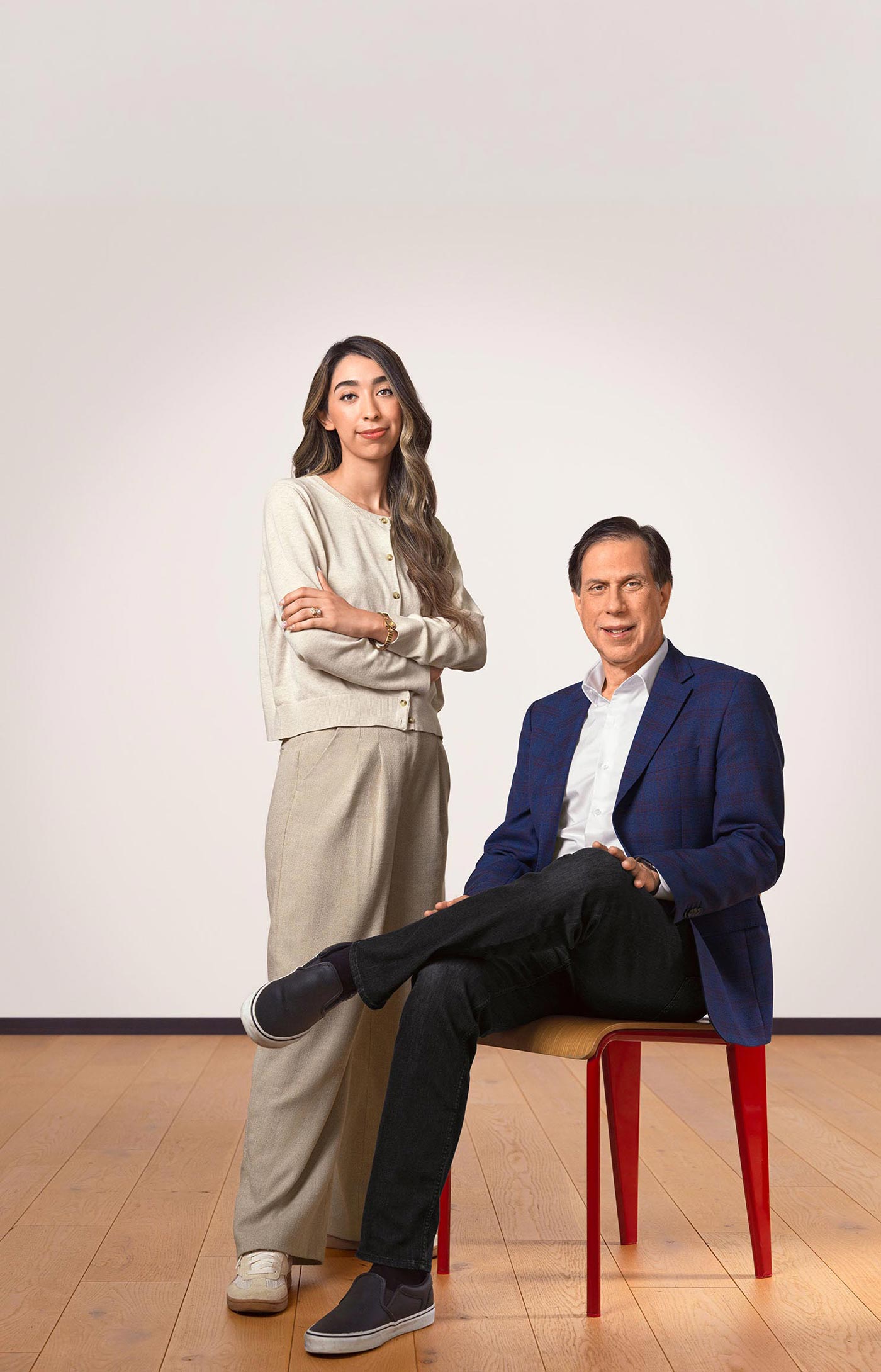
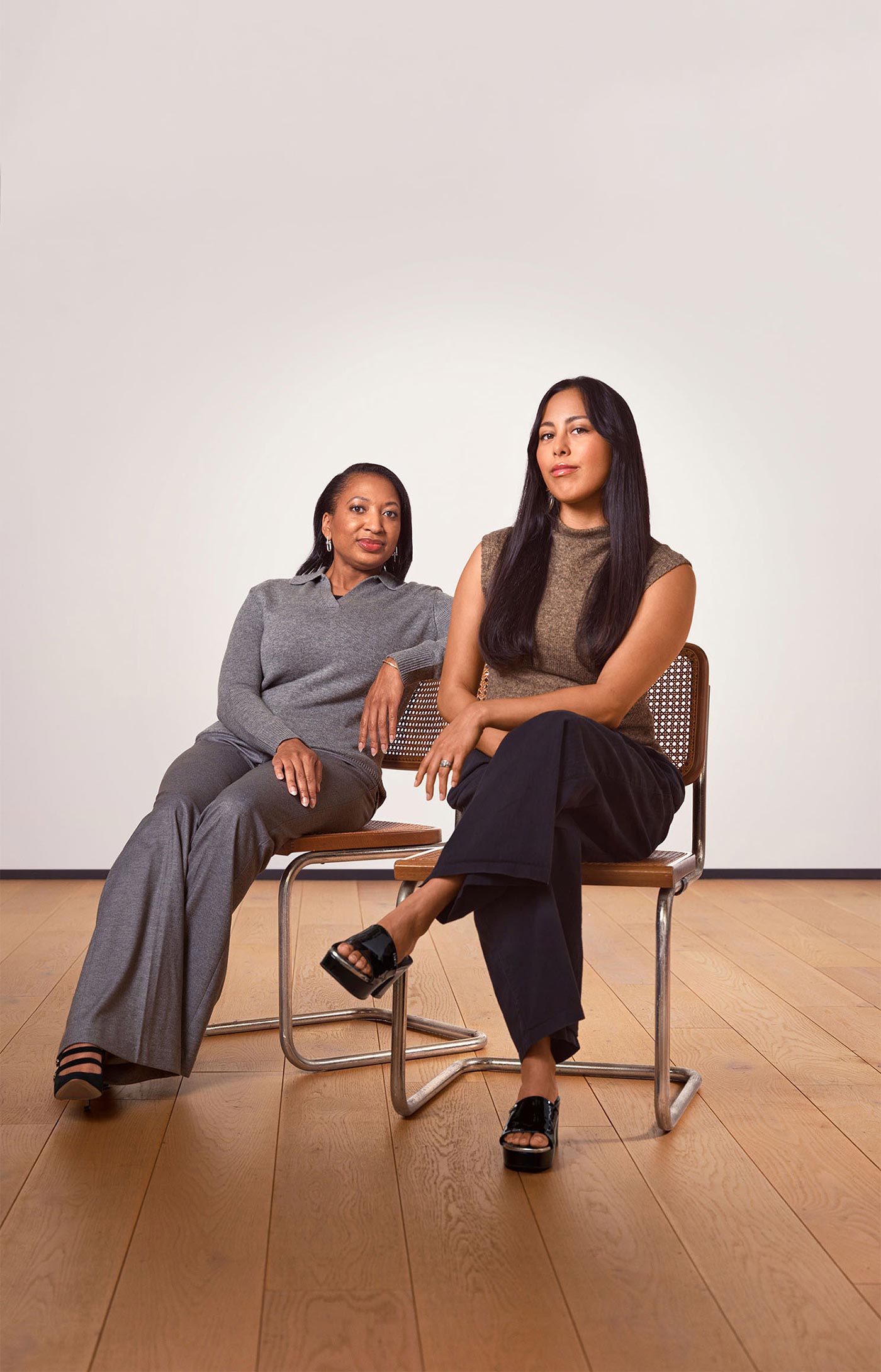
These mentor-mentee pairs illustrate how Cedars-Sinai advances discovery by ensuring every learner connects with someone who opens doors, challenges assumptions and views their relationship with the mentee as an investment in the future of healthcare.
A Full-Circle Fellowship
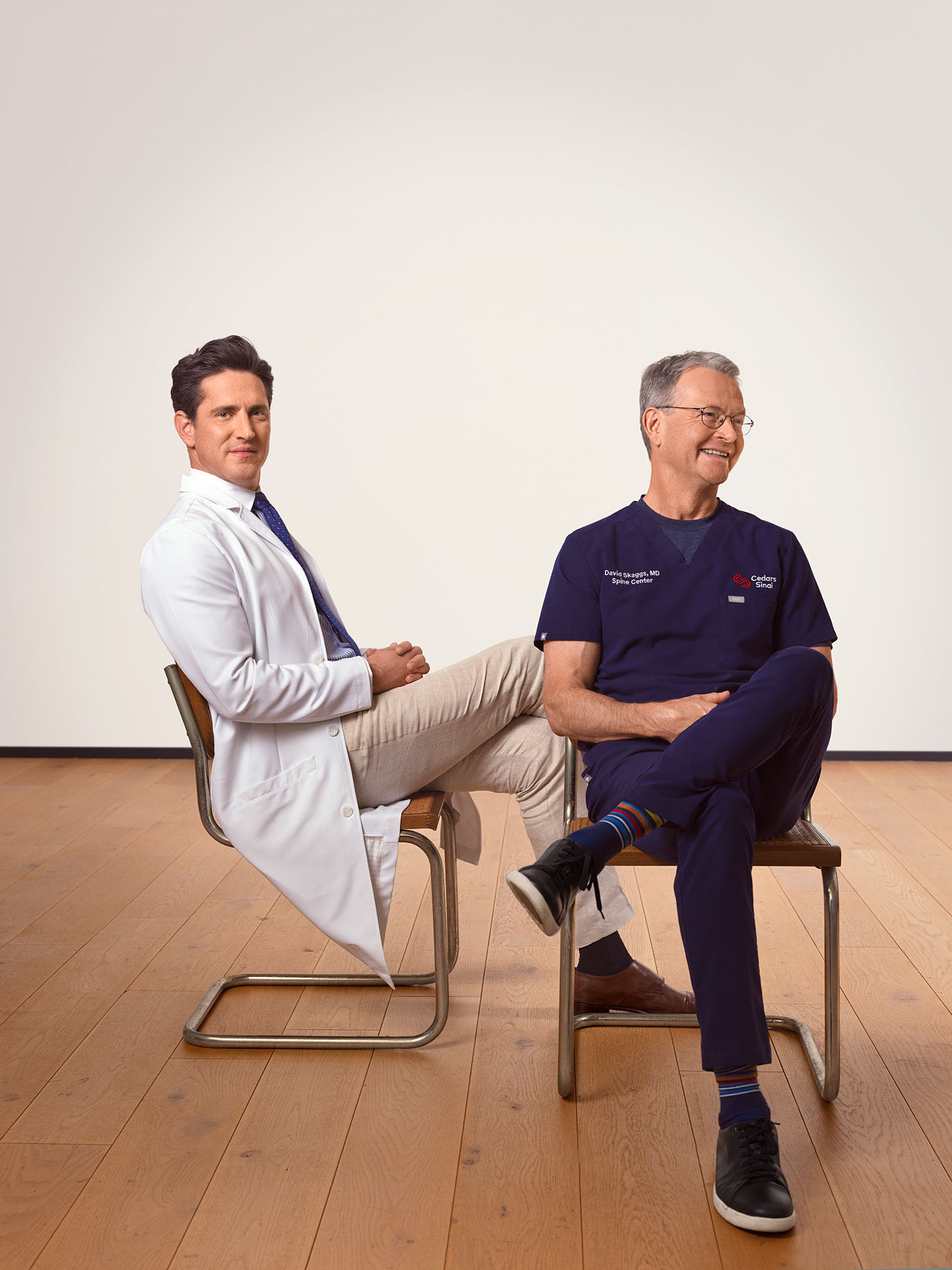
When Gideon Blumstein, MD, met pediatric spine surgeon David Skaggs, MD, he was a junior medical student stepping into the orbit of a star.
Purposeful Relationships to Advance Stroke Science
Alexis Simpkins, MD, PhD, prioritizes a collaborative environment where investigators like Ada Tadeo are trained to translate knowledge into impact.

Precision Education
Under the guidance of Stephen Freedland, MD, Nadine Friedrich, MD, became first author on multiple studies investigating prostate cancer outcomes—studies that demanded statistical rigor and clinical nuance.

Making Medicine Possible Through Mentorship
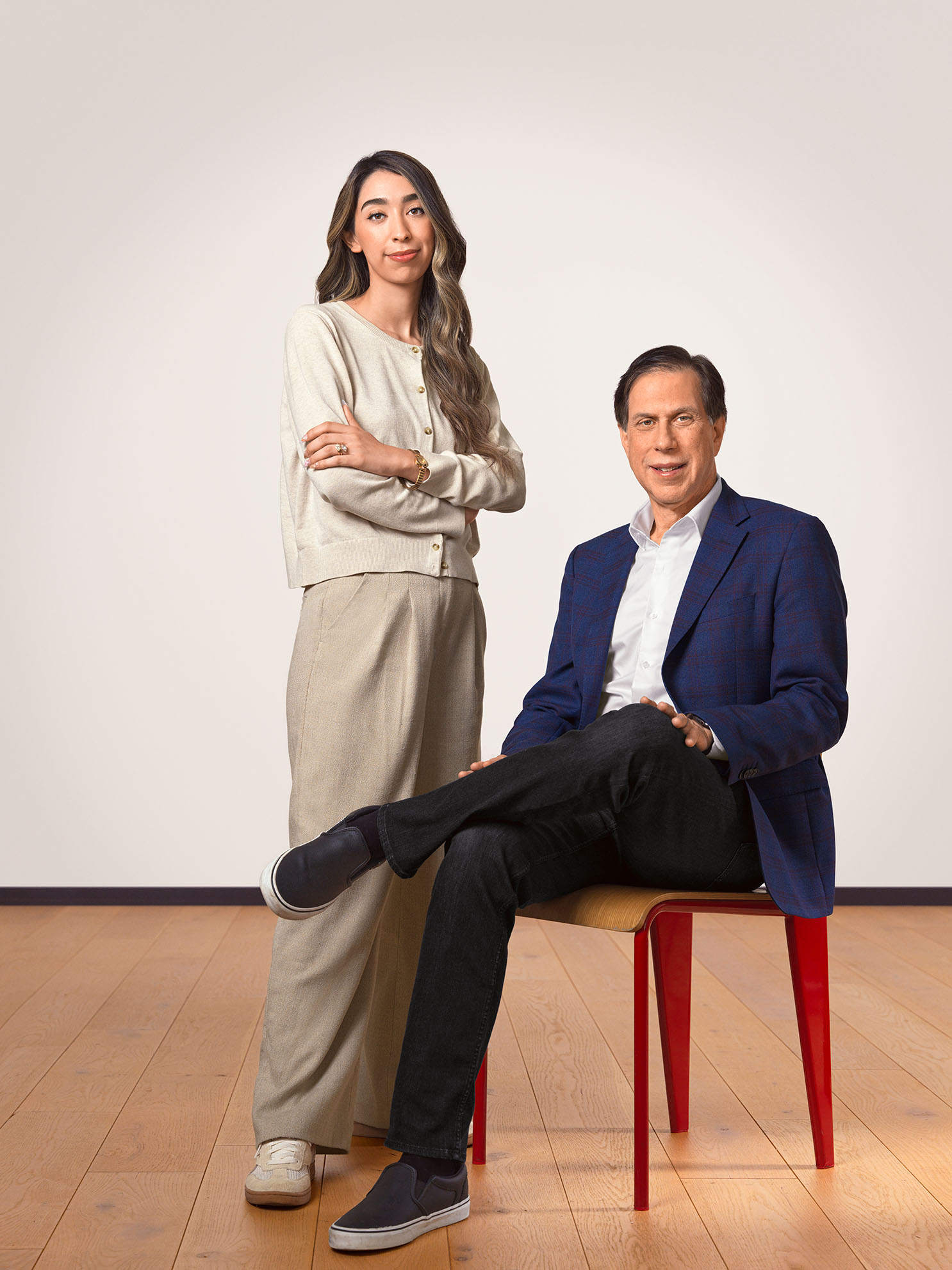
Joshua Goldhaber, MD, encourages young research associates to ask questions, which made pursuing medicine feel possible for Devina Gonzalez, MD.
Science That Begins at the Bedside
For Suzanne Devkota, PhD, projects like L.J. Amaral’s illustrate the purpose of mentorship in academic medicine: creating the conditions for clinically grounded questions to become guided investigations.

Cross-Disciplinary Science, Real-World Impact
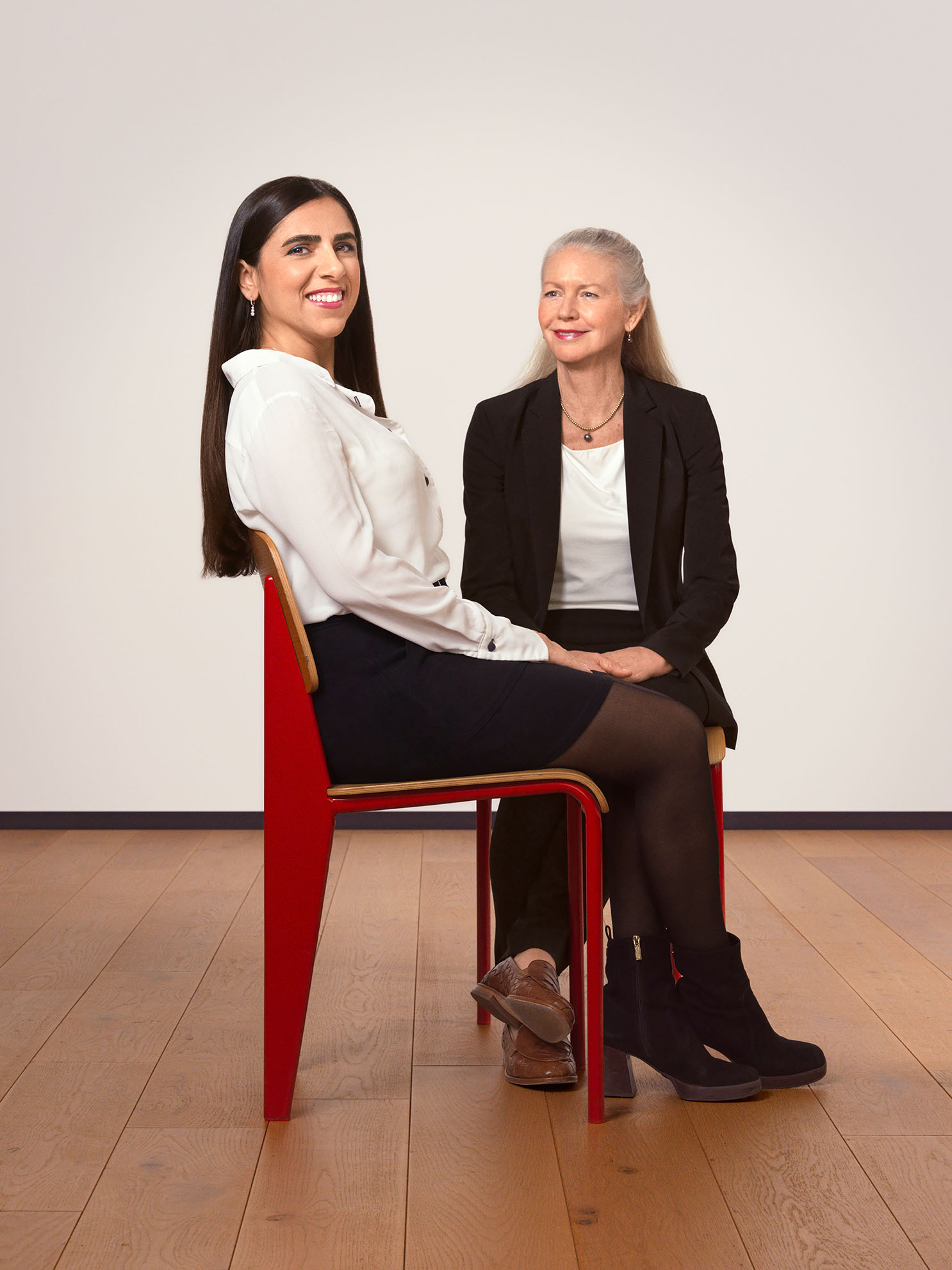
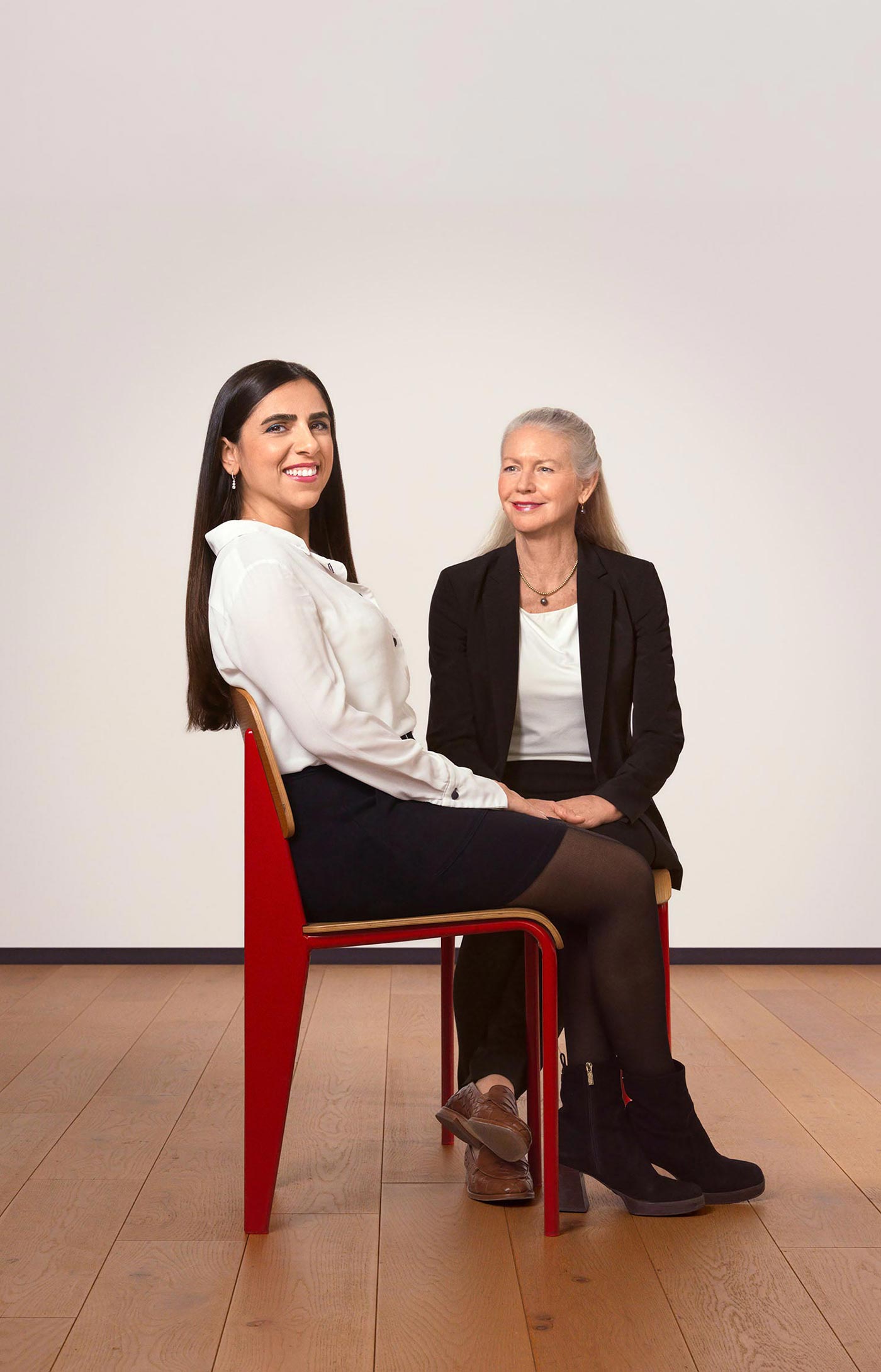
“Dr. Bairey Merz’s mentorship is more than guidance. Watching her lead—how she connects with people, advances science and advocates for women’s health—completely changed how I see my own role as an investigator,” said Arzu Has Silemek, PhD.