Science That Begins at the Bedside
Date
July 9, 2026
Date
July 9, 2026
Medical providers featured in this article
In Brief
Trained as a clinical dietitian, L.J. Amaral spent years embedded in care teams at the Samuel Oschin Cancer Center at Cedars-Sinai, translating nutrition science into clinical decisions. She did not expect patient care to lead her to protocols and pipettes.
“I was shocked at how much I loved research,” said Amaral, whose work as a clinical dietitian focused on practicing dietary interventions. “When my patients had questions, I began exploring how we could design a study to get answers.”
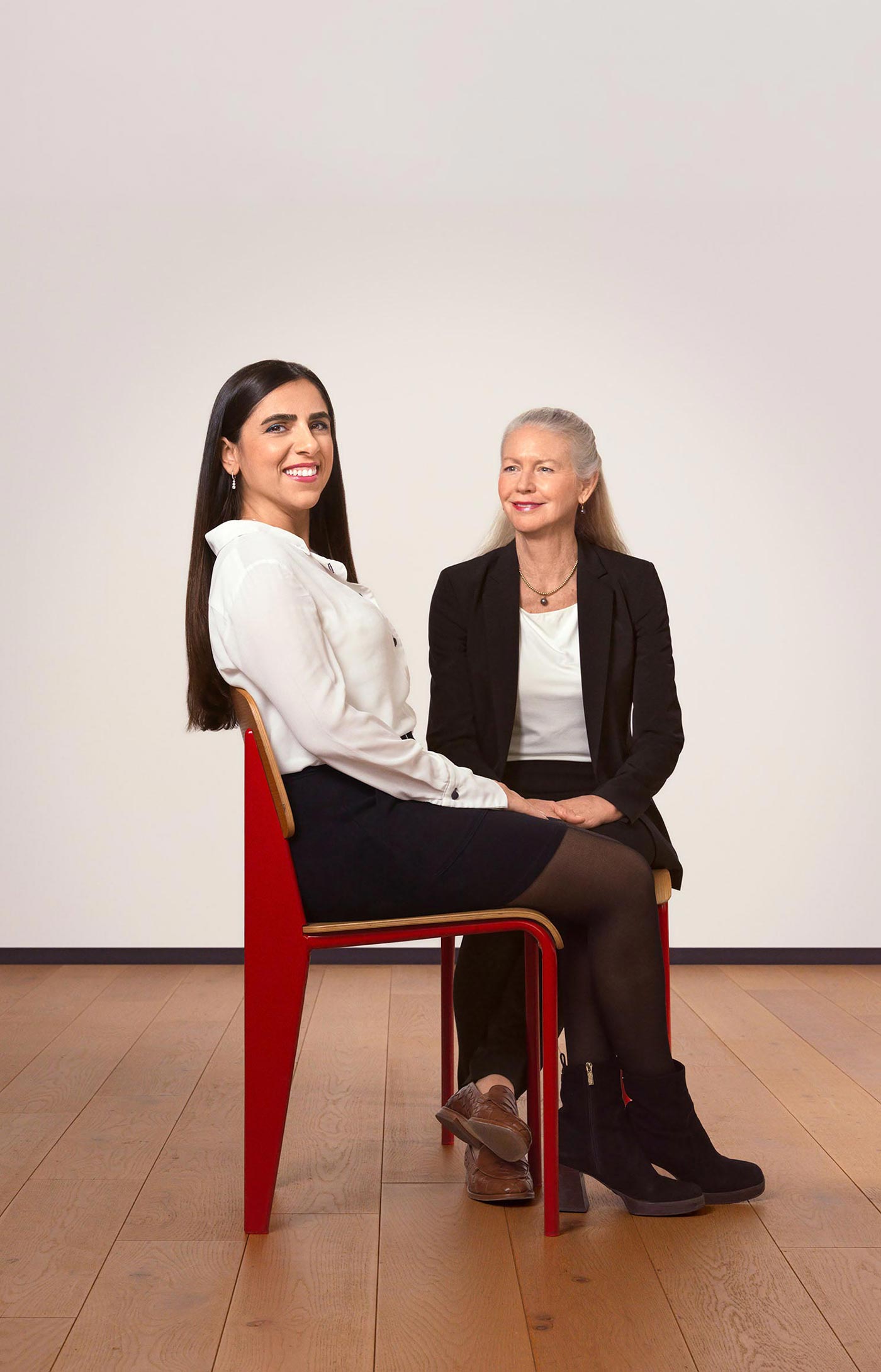
With encouragement from prominent clinician-researchers, Amaral helped design nutrition-focused research studies aimed at improving patient outcomes. As part of her work, she shuttled samples between the Freedland Laboratory and the laboratory of Suzanne Devkota, PhD, director of Cedars-Sinai’s Human Microbiome Research Institute—and Amaral’s new mentor.
If trainees are invested in a project, they'll do better science.
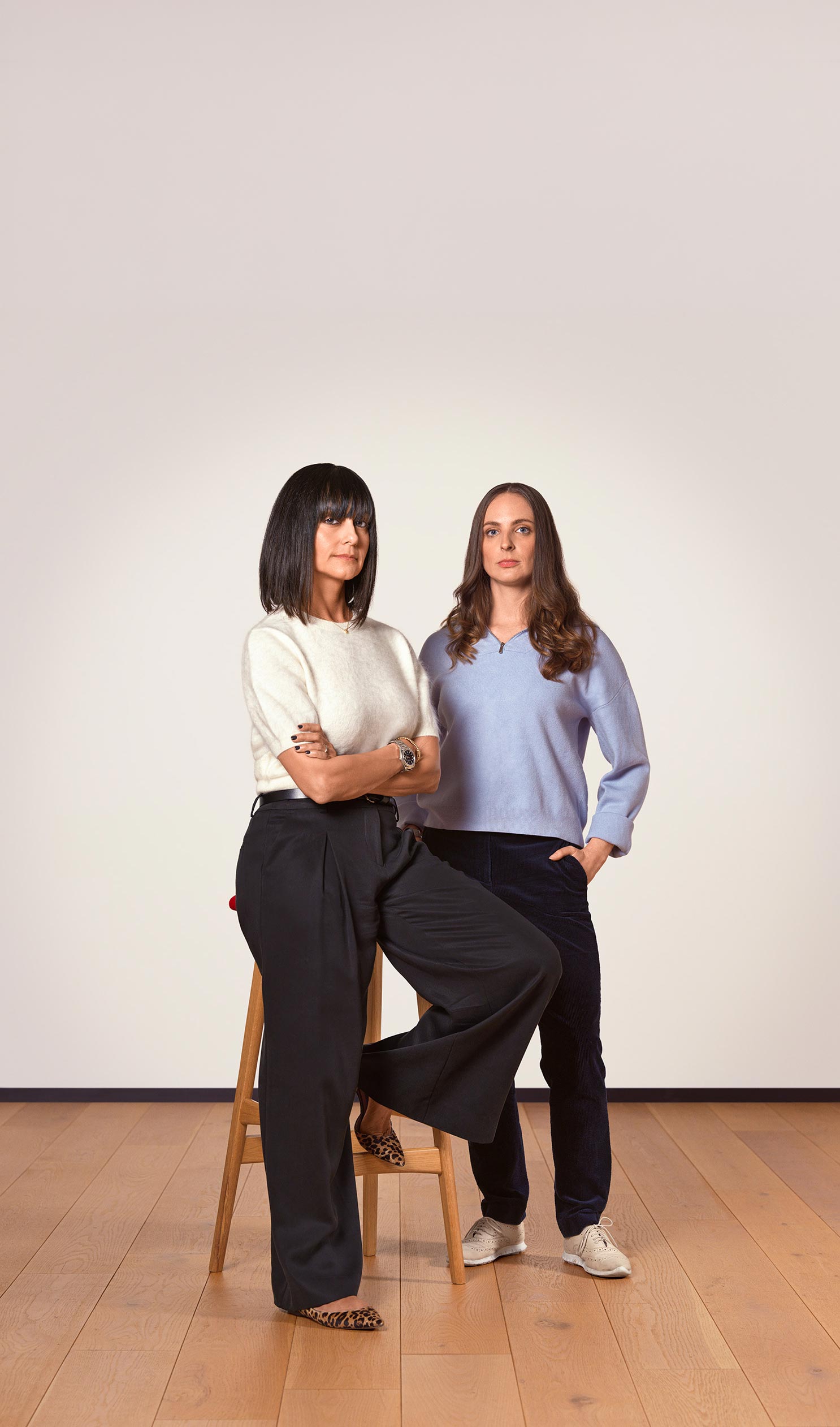
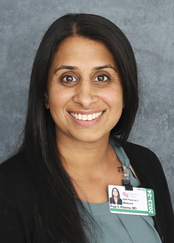
Now a doctoral student in the PhD in Biomedical and Translational Sciences program at Cedars-Sinai Health Sciences University, Amaral is investigating how pregnancy alters the gut microbiome and disease activity in women with ulcerative colitis. The project integrates preclinical models, longitudinal human stool sampling and a close partnership with clinicians in the Cedars-Sinai IBD Women’s Health Program, including its clinical director, Puja Khanna, MD.
“The goal is to uncover a biological signature that helps predict which women will have IBD flare-ups during pregnancy,” Amaral said. Flares are not only linked to complications like preterm birth, but emerging evidence suggests they may affect the baby’s developing gut microbiome in ways that could have lasting implications for immune and metabolic health.
That kind of translational question—rooted in patient care but answered through science—is exactly what mentorship at Health Sciences University is designed to support. For Devkota, projects like Amaral’s illustrate the purpose of mentorship in academic medicine: creating the conditions for clinically grounded questions to become guided investigations.
As the mentor, Devkota’s role is to create an environment where mentees’ ideas can be tested rigorously and safely. “I’m the push and the guardrails,” Devkota said. “I help trainees stay on track and finish in five years or less.”
That level of efficiency is only possible because Health Sciences University operates in an ecosystem where access to patients, tissues and clinician-collaborators is built into daily research practice. “Our clinician-scientist interface is unparalleled,” Devkota said. “The ease with which we can work with patients and access human tissues is unprecedented.”
Viewed through Devkota’s lens, mentorship is about evolution. She describes students who entered her lab with one identity and left with another—immunologists who discovered a passion for computation or trainees who pivoted toward women’s health or translational science through exposure and collaboration.
That transformation begins with ownership. “If trainees are invested in a project, they’ll do better science,” Devkota said.