A Full-Circle Fellowship
Date
July 9, 2026
Date
July 9, 2026
Medical providers featured in this article
In Brief
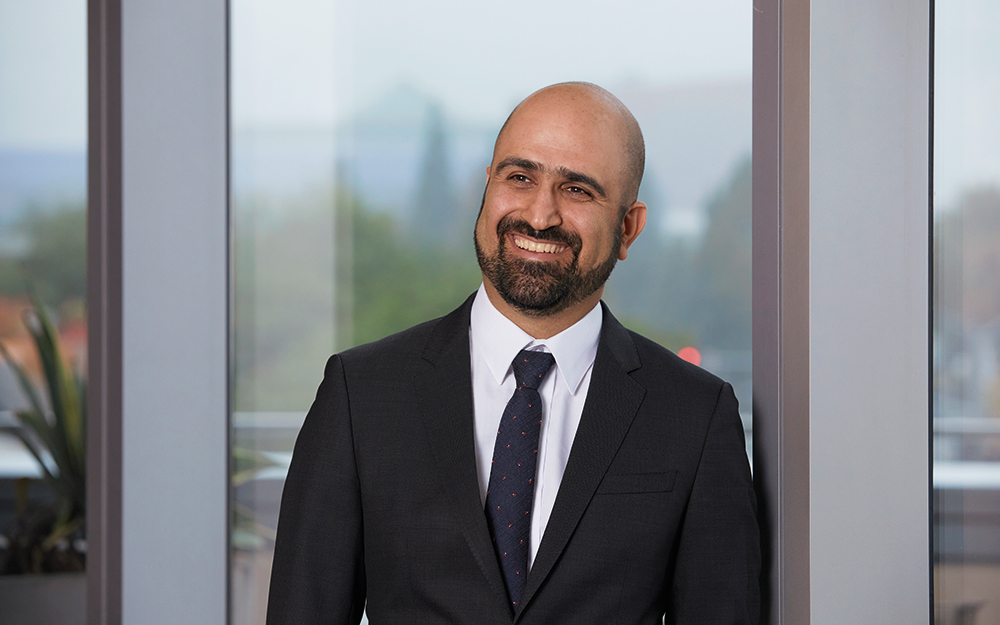
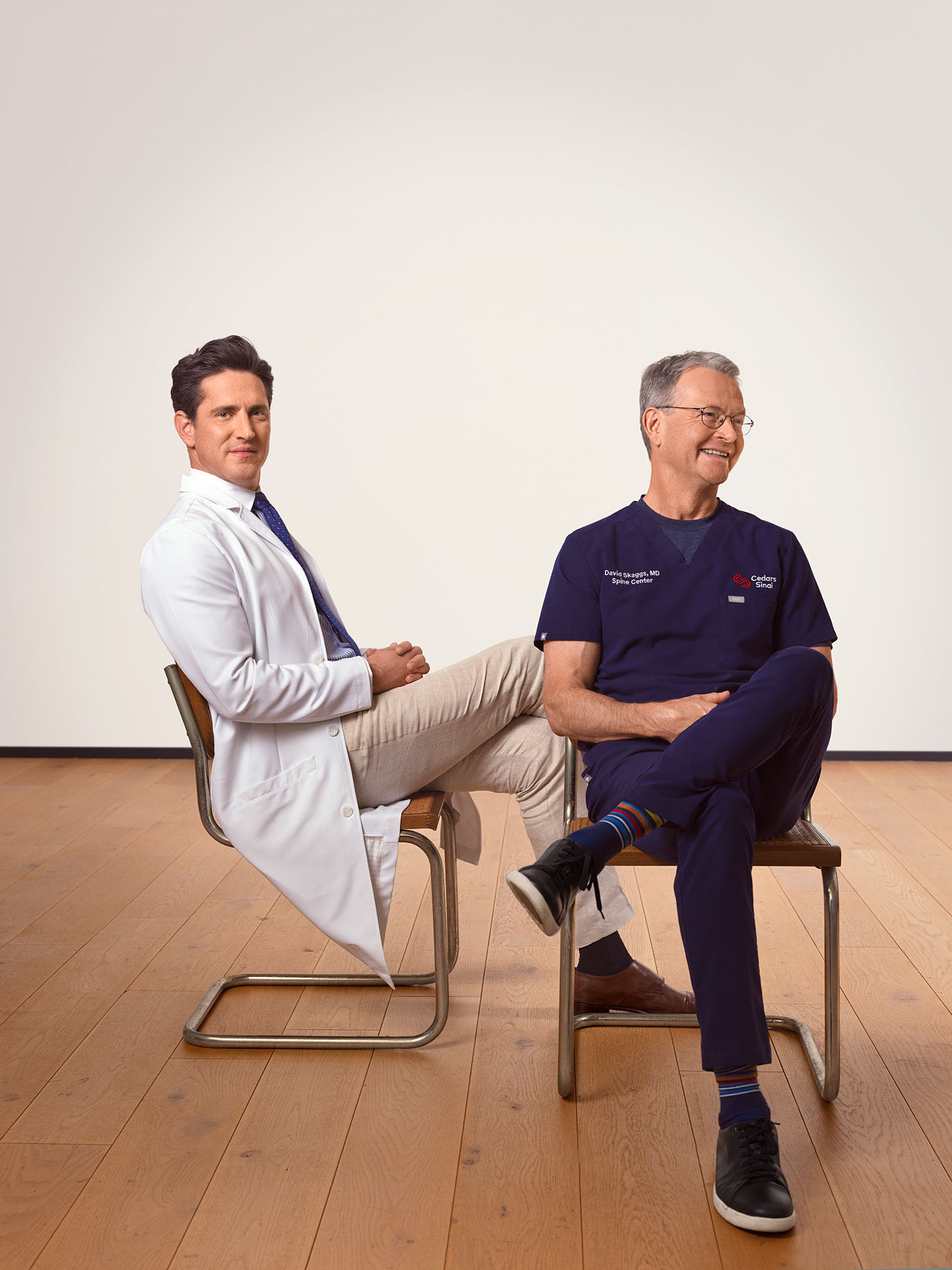
When Gideon Blumstein, MD, met pediatric spine surgeon David Skaggs, MD, he was a junior medical student stepping into the orbit of a star. Skaggs, who is co-director of Cedars-Sinai Spine and director of Pediatric Orthopaedics at Cedars-Sinai Guerin Children’s, disarmed the moment with four simple words: “Please call me Dave.”
That kind of accessibility is central to Skaggs’ approach—and it scales. At Cedars-Sinai Health Sciences University, he has helped build an integrated model that bridges neurosurgery and orthopedics, opening pathways that haven’t traditionally existed. During a dedicated research year, learners are immersed in a high-output academic environment where they publish, present and build the kind of record that makes them competitive for sought-after residencies and fellowships. Many progress to direct pediatric spine programs, join international study groups and teach advanced techniques.
“In this ecosystem, fellows gain experience that allows them to break barriers, step onto international stages and then return as partners in care,” said Skaggs, who estimates he has mentored nearly 100 fellows and student researchers.
In Skaggs’ laboratory, there are no stupid ideas or unwelcome questions. Critiques are respectful, kind and grounded in enthusiasm for exploring new possibilities.
“If you come in with an idea you’re not sure about, by the time you’re done talking to Dave, you start thinking, ‘this is a really great idea,’” Blumstein said. From the outset, Skaggs also spells out clear rules—whoever finishes the project and brings it to press is the first author—a learner-centered model that rewards hard work, not seniority or politics.
The goal is to help learners become colleagues I will consult down the line.
During his residency, Blumstein’s path shifted from pediatric to adult spine. Later, he pursued additional training in ultra-minimally-invasive endoscopic techniques in Israel and Tokyo. Now, as an attending at Cedars-Sinai, Blumstein receives referrals from Skaggs for procedures that fall squarely in his niche.
“We’ve come full circle,” Skaggs said. “He has expertise that I don’t, and I send those cases to him.”
That reversal—mentor referring to mentee—signals to today’s trainees what’s possible at Health Sciences University.
“The goal is to help learners become colleagues I will consult down the line,” said Skaggs, who teaches in the Scoliosis Research Society’s leadership program, an international forum where accomplished surgeons come together to refine their skills.
Blumstein is a clear example of paying the mentorship model forward. Now a rising star in spine surgery, he teaches endoscopy courses and helps younger surgeons through their first cases.
“My door is always open to students and residents,” Blumstein said. “That’s what Dave modeled: accessibility, curiosity and follow-through. Carrying that forward is one of the greatest honors of my career.”