Making Medicine Possible Through Mentorship
Date
July 9, 2026
Date
July 9, 2026
Medical providers featured in this article
In Brief
At its best, mentorship in medicine helps learners see themselves as future physicians and investigators.
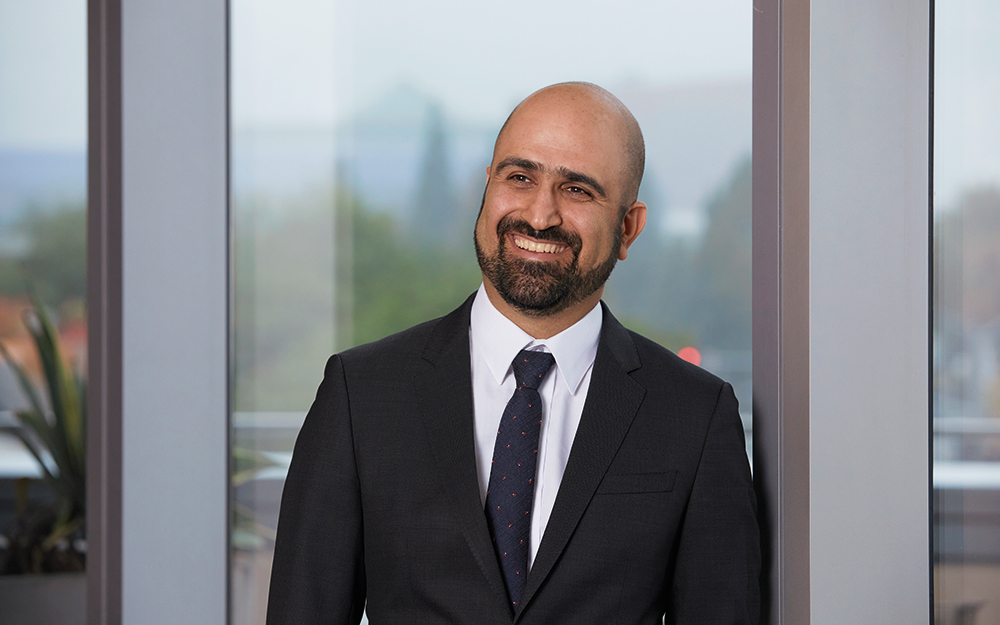
“Mentorship at Cedars-Sinai opens doors by demystifying medicine and biomedical science to help learners reimagine what healthcare can look like over a lifetime,” said Joshua Goldhaber, MD, vice dean of Graduate Education at Cedars-Sinai Health Sciences University and the Dorothy and E. Phillip Lyon Chair in Laser Research at Cedars-Sinai.
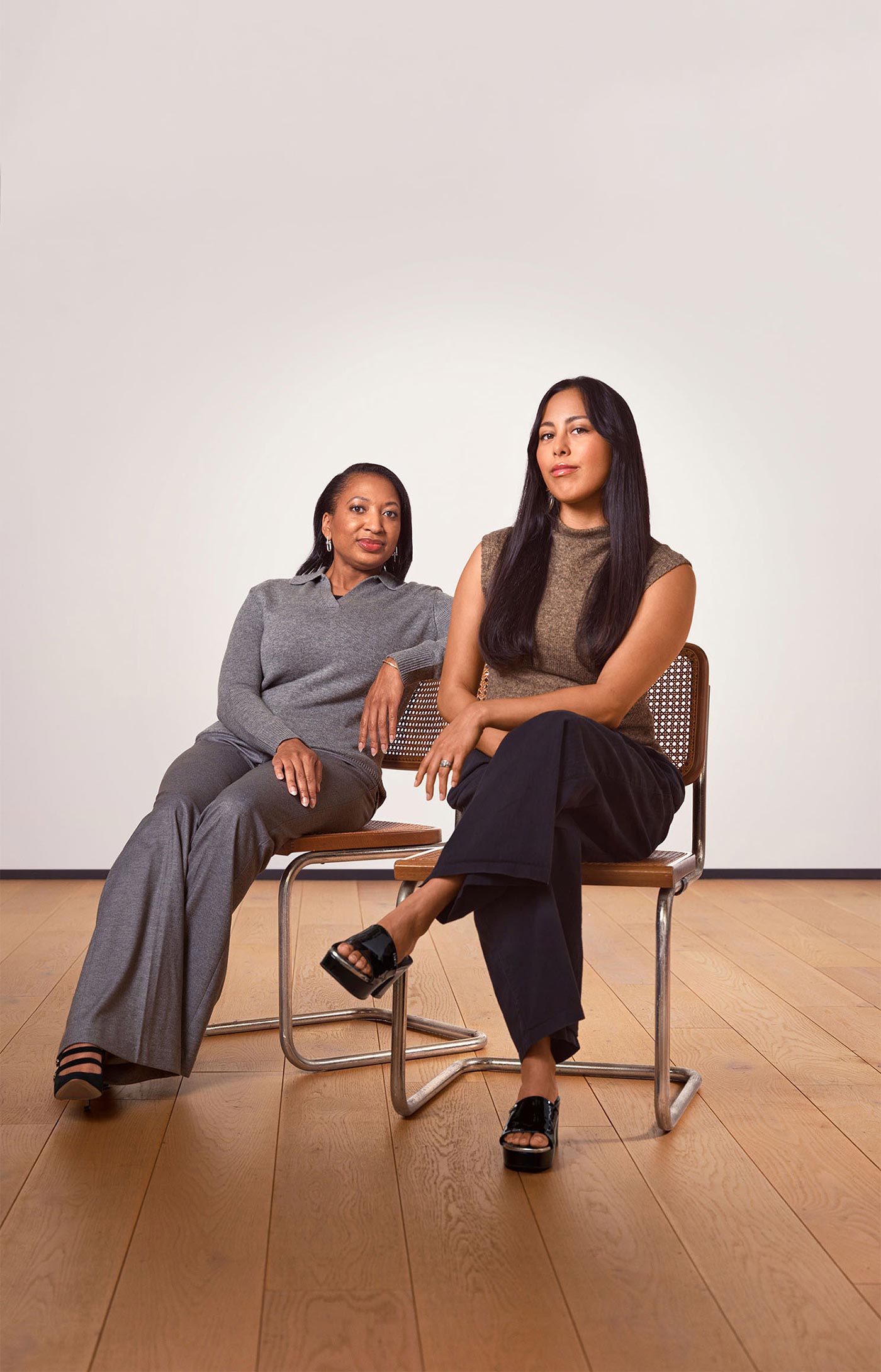
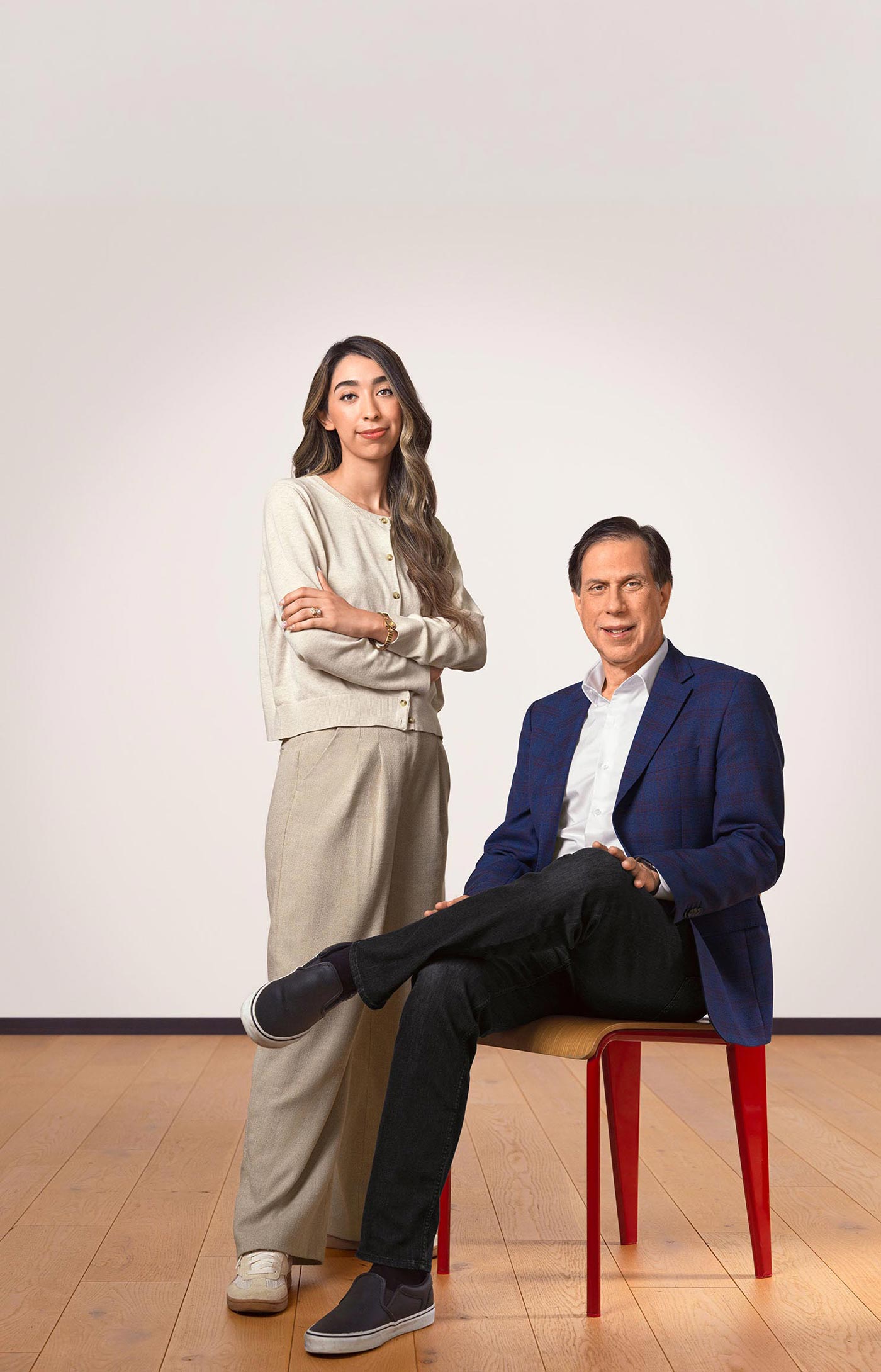
The Goldhaber Laboratory has become a launch pad for early-career scientists such as Devina Gonzalez, MD, who joined the laboratory in 2019 as a young research associate, fresh out of college.
Discoveries sat down with the pair to learn how the right mentorship can propel ambition into a viable path forward.
Discoveries: Dr. Goldhaber, can you describe what mentorship looks like at Cedars-Sinai?
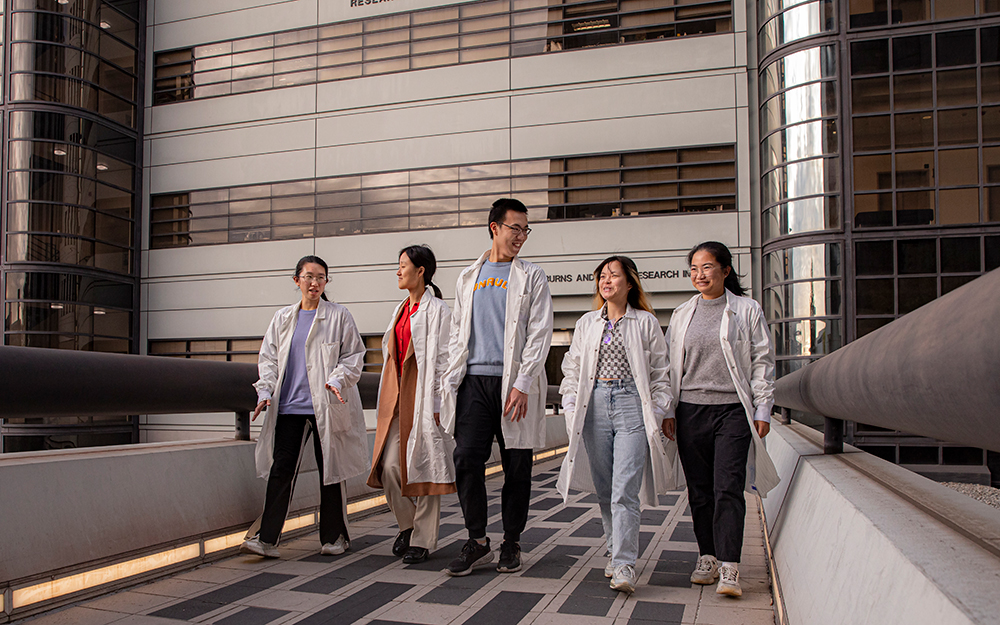
Goldhaber: Effective mentorship is not just about formal programs or prescribed pairings, but also chemistry and timing. The best relationships develop organically, which is why our PhD learners spend their first year rotating through the laboratories that pique their interest.
Discoveries: Devina, what brought you to Cedars-Sinai—and specifically to Dr. Goldhaber’s laboratory?
Gonzalez: I come from a low-income, immigrant background. I was the first in my family to graduate high school, and I didn’t have any physicians in my immediate or extended family. Medicine felt important, almost sacred, but very far away. After college, I applied to Dr. Goldhaber’s laboratory as a research associate. Meeting him changed everything. He never made medicine feel like a private club. When I got accepted to my first-choice school, the Geisel School of Medicine at Dartmouth, I think he was just as excited as I was.
Making strong mentorship available to our learners at every stage is part of Cedars-Sinai’s culture.
Discoveries: What made your mentorship relationship so effective?
Gonzalez: Psychological safety. Dr. Goldhaber encouraged me to ask questions, even “dumb” questions. I never felt embarrassed admitting what I didn’t know. That made pursuing medicine feel possible.
Goldhaber: Mentorship is about helping people see pathways they couldn’t see before. With Devina, it was clear she had enormous talent and the drive to become an exceptional physician, so I encouraged her to apply to medical school. My role was to guide her through that process.
Discoveries: Devina, tell me about the work you did in the Goldhaber Laboratory.
Gonzalez: Before I met Dr. Goldhaber, I didn’t even know anesthesiology was a specialty. He introduced me to the field and gave me hands-on exposure that made it real. When I was working in the laboratory and anesthetizing preclinical heart failure models, I remember thinking, “I could do this for the rest of my life.”
Discoveries: How did your mentorship relationship shape your path forward?
Gonzalez: Dr. Goldhaber’s mentorship didn’t end when I left his laboratory. He supported me through applying to medical school, pursuing a public health degree and starting my residency in anesthesiology at Arrowhead Regional Medical Center. His mentorship was the bridge between admiring medicine from afar and believing I could be part of it.
Goldhaber: Making strong mentorship available to our learners at every stage is part of Cedars-Sinai’s culture. When someone you’ve mentored goes on to succeed, that’s the real reward.