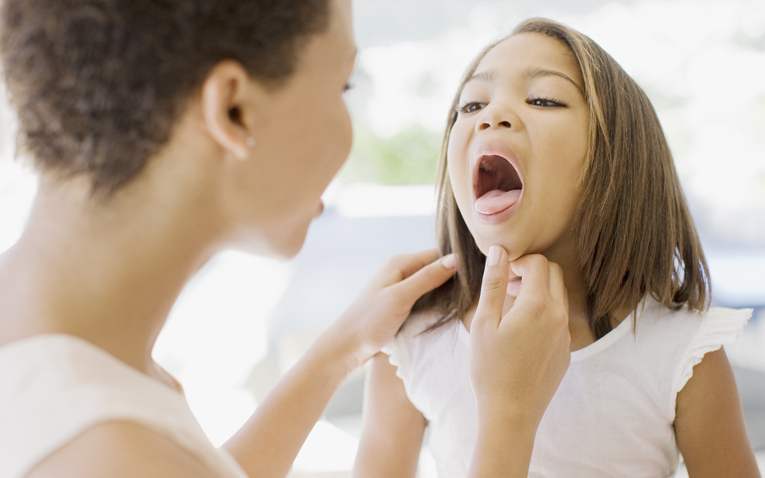
Cedars-Sinai Health Forecast: Thrive in Fall
Date
October 15, 2026
Credits

Date
October 15, 2026
Credits
Medical providers featured in this article

In Brief
The Cedars-Sinai Health Forecast is a regular feature that allows medical experts to weigh in with timely tips on seasonal health challenges and helpful guidance on how to feel our best all year long.
As summer fades into fall, many of us shift into a faster rhythm, and our bodies face a new set of seasonal challenges. Shorter days can throw off sleep. The air seems to be filled with coughs and sniffles. Santa Ana winds kick up dust that makes it harder to breathe. And comfort food season, while delicious, can quietly work against heart and liver health.
[CTA-Block]
Strategies for Sleep
As days shorten, sleep patterns and energy levels naturally shift, reducing our exposure to sunlight. The impact can be significant. According to Ethan Youssefzadeh, DO, a family medicine doctor with Cedars-Sinai, prioritizing rest can help you build the stamina you’ll need for the months ahead.
“As a primary care physician, I often remind my patients that good sleep is not a luxury. It is an important part of preventive health. Fall is an ideal time to reset your routine and make sleep a priority before the busy holiday season begins,” he said.
Light plays an important role in regulating our body’s internal clock, or circadian rhythm.
“Less exposure to natural light, particularly in the morning, can leave some people feeling more tired during the day and can affect when they naturally feel sleepy at night,” said Youssefzadeh.
He recommends getting natural light early in the day, staying physically active and keeping a consistent sleep and wake schedule. He also urges patients to be mindful about screen use, especially at night.
“As the evenings get darker earlier, it can be tempting to spend more time on our devices. But bright light close to bedtime can make it harder to wind down,” Youssefzadeh said. “Consider dimming the lights during the hour before bedtime and reserve your bed primarily for sleep.”
Check In on Children’s Mental Health
As kids and teens return to classrooms, the expectations they carry—not only for themselves but also to please parents and peers—can result in increased stress and anxiety.
“When we talk about ‘back to school,’ we often think about the challenges it can create for physical health, such as getting a cold or the flu. But it’s just as important to pay attention to its effects on mental health,” said Sam Torbati, MD, chair of the Department of Emergency Medicine at Cedars-Sinai and the Levin/Gordon Chair in Emergency Medicine in honor of Joel M. Geiderman, MD.
“The pressures young people face to perform and the social anxiety that stems from feeling like they need to be, look or act a certain way can have a range of detrimental health-related consequences,” he noted.
Torbati says awareness goes a long way toward mitigating, or even preventing, these kinds of problems. He advises parents to make regular opportunities for conversation and to pay attention to changes in a child’s behavior. Signs of unusual stress, anxiety or depression may include an uptick in feelings of sadness or hopelessness, a surge in irritability, changes in appetite, loss of energy, social isolation or even attempts at self-harm.
“Anxiety and depression in young people are associated with numerous negative outcomes, and our goal should be to prevent those to the best of our ability,” Torbati said. “Early intervention is critical: The sooner we identify a potential issue, the more quickly we can connect young people with a mental health professional to get them the support they need.”
Any mention or signs of self-harm should be taken seriously, and parents should seek immediate professional help.
Keep Vaccinations on Track
School season is a reminder to review your children’s immunization records. Staying current with recommended vaccines helps protect individual kids and teens as well as their classmates, family members and community. In the pediatric medical field, there is widespread consensus about recommended vaccine timetables and doses.
“The American Academy of Pediatrics has been consistent with its vaccine policies based on well-documented scientific evidence,” said Joseph Sleiman, MD, a pediatrician at Cedars-Sinai Guerin Children’s. “When people turn to social media for medical direction, they are often on the receiving end of unfounded advice that can do more harm than good. When in doubt, it’s always better to check with a healthcare professional.”
Autumn also is the time of year many health insurers offer open enrollment. Families can take this time to select or adjust their health plans. Sleiman encourages new parents to be proactive about signing up.
“New moms and dads may forget to enroll their babies in their health plans, and newborns are generally only covered on their parents’ plans for 30 days,” he said. “I’ve had families come in only to discover their babies don’t have insurance! This should be on everybody’s checklist.”
Watch the Winds and Air Quality
In Southern California, September typically marks the start of hot, dry, gusty Santa Ana winds. These conditions can prolong pollen and allergy season and increase the risk of localized fires. For people with asthma, chronic obstructive pulmonary disease (COPD) or chronic lung disease, Santa Anas can require extra vigilance.
“When the Air Quality Index (AQI) is above 100, people with asthma, COPD or immunocompromising lung issues should wear N95 masks to help safeguard their airways,” said Logan Ramsey, MD, a Cedars-Sinai primary care doctor located in Beverly Hills. “When the AQI goes above 150, it’s recommended for all adults to mask up. I tell my patients to incorporate monitoring the AQI as a routine part of checking the weather each day.”
Patients with breathing problems can help avoid worsening symptoms by using inhalers as prescribed, minimizing time outdoors and sticking to individualized treatment plans.
“If patients with COPD, asthma or chronic lung disease are noticing worsening shortness of breath, wheezing, cough, fever or chills, I’d encourage them to see their primary doctor or go to urgent care,” Ramsey said.
Seasonal Eating Pitfalls
Fall brings temptation in the form of treats and comfort foods. These can be higher in salt and sugar than what a person normally consumes. Changes in nutritional intake can bring unwanted complications for people with preexisting health conditions.
“Patients with heart failure or liver disease can be sensitive to variations in activity level and diet. In the fall, those patients often experience an increase in the decompensation of those organs, meaning they stop working as well,” said Akhila Narla, MD, an internal medicine doctor with Cedars-Sinai Primary Care in Beverly Hills. “As a result, they may need to increase medications to manage their blood pressure or water retention.”
Narla suggests patients with cardiac or liver conditions keep track of their weight and blood pressure according to their provider’s instructions. A sudden change in weight may indicate that the body is retaining fluid.
“It’s advisable for these patients to monitor themselves closely to provide an earlier indication that things may be changing. For instance, if they’re holding onto water, they may need water pills to manage their fluid status,” she said. “They should also check their blood pressure with some regularity to give their physician a sense of whether it’s consistently higher than normal. This allows us to get in front of any potential emerging problem.”
Priority on Cancer Screening
Fall is a natural checkpoint for many families to catch up on health appointments. Nina Babaian, MD, a primary care doctor at Providence Cedars-Sinai Tarzana Medical Center, said cancer screenings rank high on the list.
“I’m very focused on educating my patients about common cancers: breast, colon, lung, prostate. There’s a lot of hesitation among patients because they’re afraid of the results, but it’s far better to find something earlier than later. Early detection can greatly impact your quality and quantity of life,” Babaian said.
Babaian typically starts screening average-risk patients in middle age: age 40 for mammograms and prostate checks, 45 for colonoscopies and 50 for lung cancer. Those ages may change depending on a broad range of risk factors.
“If my patient has a strong family history of cancer, smokes cigarettes, or has had certain environmental or medication exposures that increase their likelihood of developing cancer, I will recommend that we begin screening earlier than usual,” she said. “The objective is to identify any problem as quickly as possible and help my patients enjoy a normal life.”
Frequently Asked Questions
Why do shorter days during the fall and winter affect my sleep pattern?
Light helps regulate the body’s internal clock. Less exposure to natural light can make you feel less sleepy at night.
How do I know if my child is anxious or depressed?
Watch for signs of elevated stress and monitor your child for symptoms, including an increase in feelings of sadness, a surge in irritability, changes in appetite or attempts at self-harm.
What vaccines should my child get?
Parents should consult the American Academy of Pediatrics or talk to their child’s doctor about the recommended vaccine schedule.
When should I be screened for cancer?
For average-risk patients, most cancer screenings start around age 40. However, your doctor can give you more personalized advice based on your family history and various other risk factors.