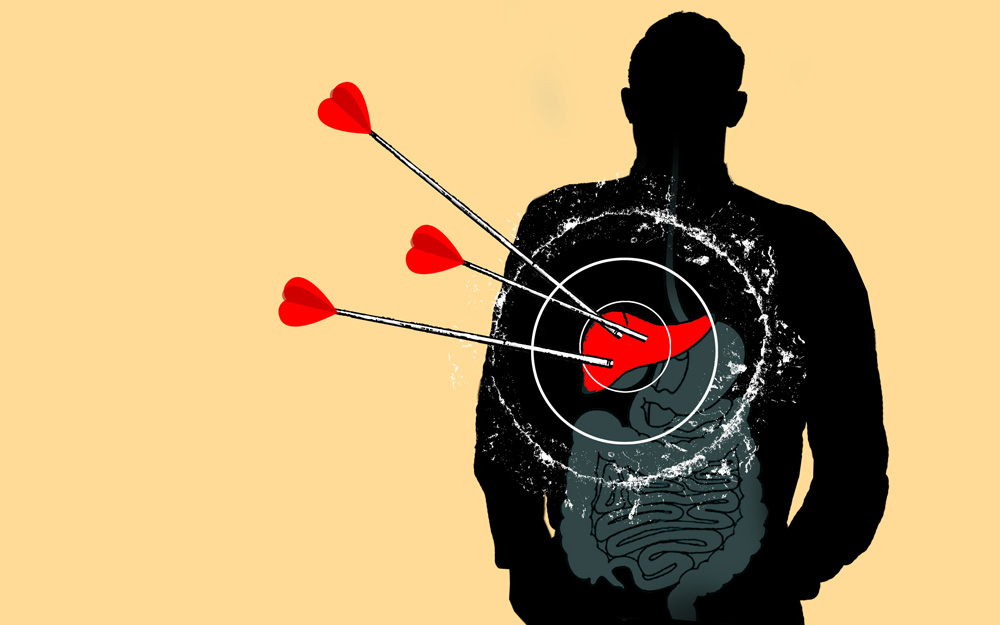
Study: GI Cancers Could Double by 2050
Date
August 3, 2026
Credits

Date
August 3, 2026
Credits
Medical providers featured in this article


In Brief
Gastrointestinal (GI) cancer and associated deaths will nearly double by 2050, according to projections from a global analysis led by Cedars-Sinai investigators and published in Cancer. The dramatic rise is driven by population growth, aging and sharp increases in metabolic conditions such as obesity and diabetes.
Incidence is expected to climb across all major GI cancers, with pancreatic and colorectal cancers leading the increase.
“The projected increase in GI cancers is cause for concern, but we have hope of potentially slowing or reversing this trend,” said Ju Dong Yang, MD, medical director of the Liver Cancer Program and co-senior author of the study. “Much of this increase is driven by metabolic disease, a risk factor we can address. If we make progress there, we have a real opportunity to change this trajectory.”
At the same time, research breakthroughs promise more effective treatments. Cedars-Sinai investigators are contributing to the development of a KRAS-targeting therapy aimed at a common cancer-driving mutation.
Treatment is also improved by the shift toward multidisciplinary clinics that serve patients with complex cancers by coordinating specialists together during a single visit, said Andrew Hendifar, MD, medical director of the Cedars-Sinai Cancer Clinical Trials Office and Gastrointestinal Oncology Disease Research Group.
“This is a new era for GI cancer treatment,” he said. “We’re seeing advances that meaningfully extend survival for cancer patients.”