Social Connection Is the Antidote to Our Loneliness Epidemic
Date
August 4, 2026

Date
August 4, 2026
Credits
Medical providers featured in this article


In Brief
Americans have never been lonelier.
As technology replaces much everyday human interaction, loneliness and social isolation have escalated to a serious public health problem.
“Loneliness is as big of a risk to your life as smoking, at a rate of 15 cigarettes every day,” said Cedars-Sinai neuropsychologist Mitzi Gonzales, PhD. “It just has such a powerful impact on your complete physical and emotional health.”
The U.S. loneliness epidemic extends across society and is not exclusive to any particular group. The American Psychological Association’s 2025 Stress in America Survey revealed that at least half of American adults experienced feelings of isolation, exclusion or insufficient companionship, and 69% lacked needed emotional support over the previous year.
Globally, the loneliness public health epidemic fuels more than 871,000 early deaths each year, according to the World Health Organization Commission on Social Connection.
The antidote is simple, but not necessarily easy to implement: community and connection. Studies demonstrate that deep, sustained bonds with family, friends and loved ones can heal, raising a person’s overall survival chances by as much as 50% across time spans, age, sex, original health status and other demographics.
Treat connection like any other healthy habit. The goal is not to have a large social circle. What matters most for health is whether people feel known, valued and supported.
Personal connections inspire us to be active, take care of our bodies, and follow the advice of our doctors. Married men, for example, are overwhelmingly healthier and live longer than their single peers, according to a major meta-analysis of the trend, a factor attributed to loving spouses who schedule preventive and specialist appointments and encourage their attendance. Our loved ones also notice when something is amiss, experts stress.
“Social connection is part of the scaffolding that helps people stay healthy,” said vice president and Chief Health Equity Officer Christina Harris, MD, who also holds the inaugural Holoman Chair in Health Equity.
{{providers}}
A Deep Need for Human Connection
We need each other. When we don’t fulfill that innate instinct, loneliness promotes chronic disease including heart disease, stroke, digestive illnesses, diabetes, Alzheimer’s disease and dementia.
“Chronic loneliness is stressful, and over time, that stress can affect sleep, mood, inflammation, blood pressure, metabolism and immune function,” said Harris, a primary care physician.
Lonely individuals also experience worse anxiety and depression, and increased risk of self-harm and suicidal thoughts. In turn, these symptoms can cause people to further withdraw, exacerbating the problem.
Cedars-Sinai’s Community Connect Program, which started screening for social drivers of health in 2021, found addressing social isolation is among the largest patient needs.
“Health is about more than medical care,” Harris emphasized. “Whether someone feels connected and supported can shape their ability to stay well, manage illness and recover.”

Loneliness Is A Marker of Health
The institution is embedding loneliness as an innovative “marker of health” into multiple avenues of medical research and care.
Jane Figueiredo, PhD, director of Community and Population Health Research at Cedars-Sinai Cancer, is examining the link between a person’s sense of community and cancer. Disconnection is widespread among patients and survivors, who can have painful symptoms and must undergo often-grueling, immune-compromising treatments including radiation, immune and chemotherapies. Some even face “cancer ghosting,” a phenomenon of being abandoned by friends and partners in the wake of such serious, consuming illness.
Those who lack community tend to have delayed diagnosis and worse survival. In fact, the American Cancer Society advocates for loneliness screening in all survivors, as their ranks continue to grow.
“If you are undergoing surgery, the experience is often easier if you have someone there who will take you to your appointment, reassure you that everything will be OK and help you through,” Figueiredo suggested.
Isolated patients also tend to exercise less, an area calling for deeper investigation: Figueiredo and her team of investigators are working to understand whether that gap is fully explained by the social opportunities that come more naturally from gym membership or participation in sports than in sedentary lifestyles.
Similarly, Gonzales is joining a team of Cedars-Sinai Memory and Healthy Aging Program researchers and international collaborators in tracing how social behaviors—including social media—support or harm cognition, alongside genetics, environment, infrastructure, age and other risks.
This budding area of research seeks to closely personalize guidance across unique health conditions, personalities and bodies. While one person can be at peace with a single, cross-country best friend, others may thrive with more frequent or in-person meetups.
“Being connected,” Harris said, “is not always the same as feeling connected.”
{{cta-block}}
Social Prescriptions: Robust Relationships Can Be Protective
With snacks, movies, advice and validation all available on demand—no humans necessary—and as more of us live and work alone, relationships require intentionality.
Experts encourage everyone to foster community, however that looks for you.
If you don’t know where to begin, try seeking out people who share your backgrounds, experiences, interests or values such as in a local community center, cultural organization, library or place of worship. Volunteering can imbue personal meaning and collective responsibility, while a fitness or pickleball club gets you moving and helps you let off steam.
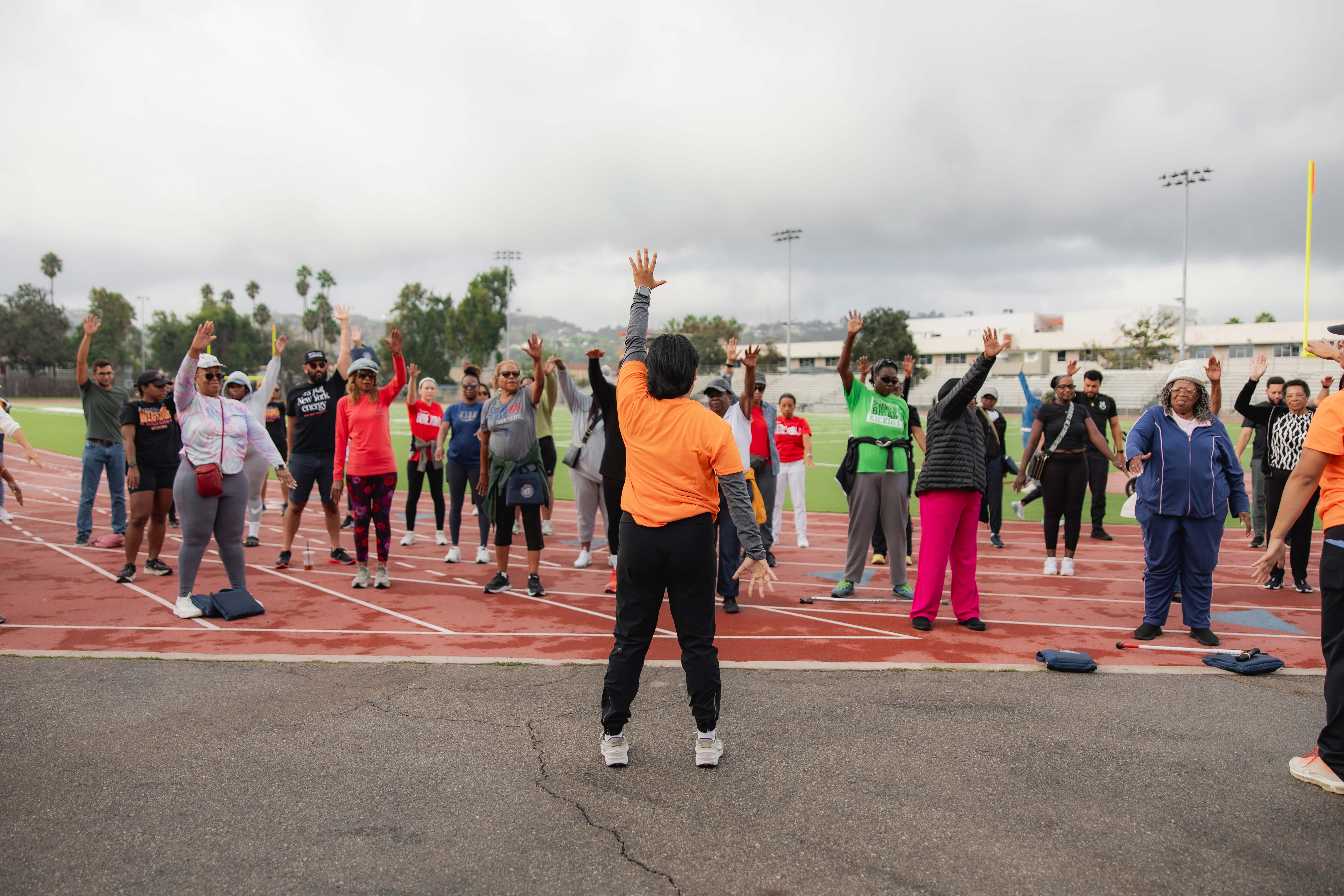
Consider widening your networks to include people in your everyday life, such as co-workers.
Harris recommends calling the same person each week, saying “yes” to walks or meal invites and checking in on neighbors. Start slowly and build on your connections as you invest in them.
“Treat connection like any other healthy habit,” she said. “The goal is not to have a large social circle. What matters most for health is whether people feel known, valued and supported.”
Mobility challenges, grief, hearing loss and other factors that escalate in older age can impose barriers to connection—including in those who may need it most. Physicians suggest leaning on peer support groups and caregivers for a sounding board.
If you are isolated and consistently feeling low, also let your doctor know, so they can link you to a community health or social worker who can help you cope.
“The closer you feel to your loved ones and to people in your broader social network, the less stress you tend to experience and more optimism you have for the future,” Figueiredo said. “A device can provide a point of contact, but it doesn’t replace the need for meaningful, human-to-human connection.”
Frequently Asked Questions
How does loneliness impact health?
Loneliness is among the leading public health epidemics of our time, according to a 2023 U.S. Surgeon General report. As more people live alone and rely on technology for daily tasks, at least half of adults feel lonely. This internal perception—tied to, but not the same as, social isolation—jeopardizes the heart, brain, metabolic and mental health. Overall, both loneliness and isolation raise a person’s likelihood of dying early by nearly 30%.
How is Cedars-Sinai redefining social isolation and loneliness as a marker of health?
Cedars-Sinai measures social isolation as part of its comprehensive social drivers of health screening. Launched in 2021, the effort is built on the idea that social factors such as housing and safety shape the vast majority of a community’s health. Program health workers detect patients who could benefit from further support and connect them to resources.
“Screening helps us identify a need that patients may not otherwise bring up, but that can have a real impact,” Harris said.
Researchers are also studying the heavy influence of social belonging on cancer and cognition, aiming to determine the exact causes of these links and how existing or new interventions could overcome the challenge.
What can people who feel lonely or isolated do to improve connection and, in turn, well-being?
Seek out community with people who share your interests, background or values, such as in a faith community, cultural center, library or gym. Consistent communication—and openly sharing struggles—with trusted friends, family and loved ones can help you feel closer to them. Experts also encourage accepting in-person invites and leveraging overlooked opportunities such as checking in on your neighbors and reaching out to colleagues and caregivers.
A strong support system can empower you to be more physically active, nourished and joyful, and it can help you stick to prescribed treatment plans and doctor’s appointments, bolstering longevity.

.jpg)