Bumps That Look Like Pimples: Is It Acne or Something Else?
Date
March 2, 2026
Date
March 2, 2026
Credits
Medical providers featured in this article
In Brief
Don’t mistake these skin conditions for the common zit.
It’s a fact of life that most of us have pimples on our face or body. The good news is that usually the most serious problems acne causes are annoyance and embarrassment.
But sometimes a bump we’ve dismissed as an ordinary zit—also known as acne vulgaris—might be caused by another skin condition that could require more than an over-the-counter cream. An online search can’t accurately diagnose these conditions, so it’s wise to speak to your primary care doctor or a dermatologist if you notice any unexplained bumps.
According to Cedars-Sinai dermatologist Joyce Fox, MD, “It’s important to remember that acne isn’t to blame for every red bump on your skin."
{{providers}}
The following skin conditions can look like acne vulgaris but may require treatment from a doctor.
Folliculitis
Folliculitis consists of clusters of tiny red bumps. It is sometimes referred to as razor bumps, hot tub rash or barber’s itch. These small bumps appear when the hair follicle swells up because it’s been infected by yeast or bacteria, usually due to sweat, friction or shaving. These bumps can happen anywhere you have hair on your body, but they’re most common on the neck, legs, armpits and buttocks.
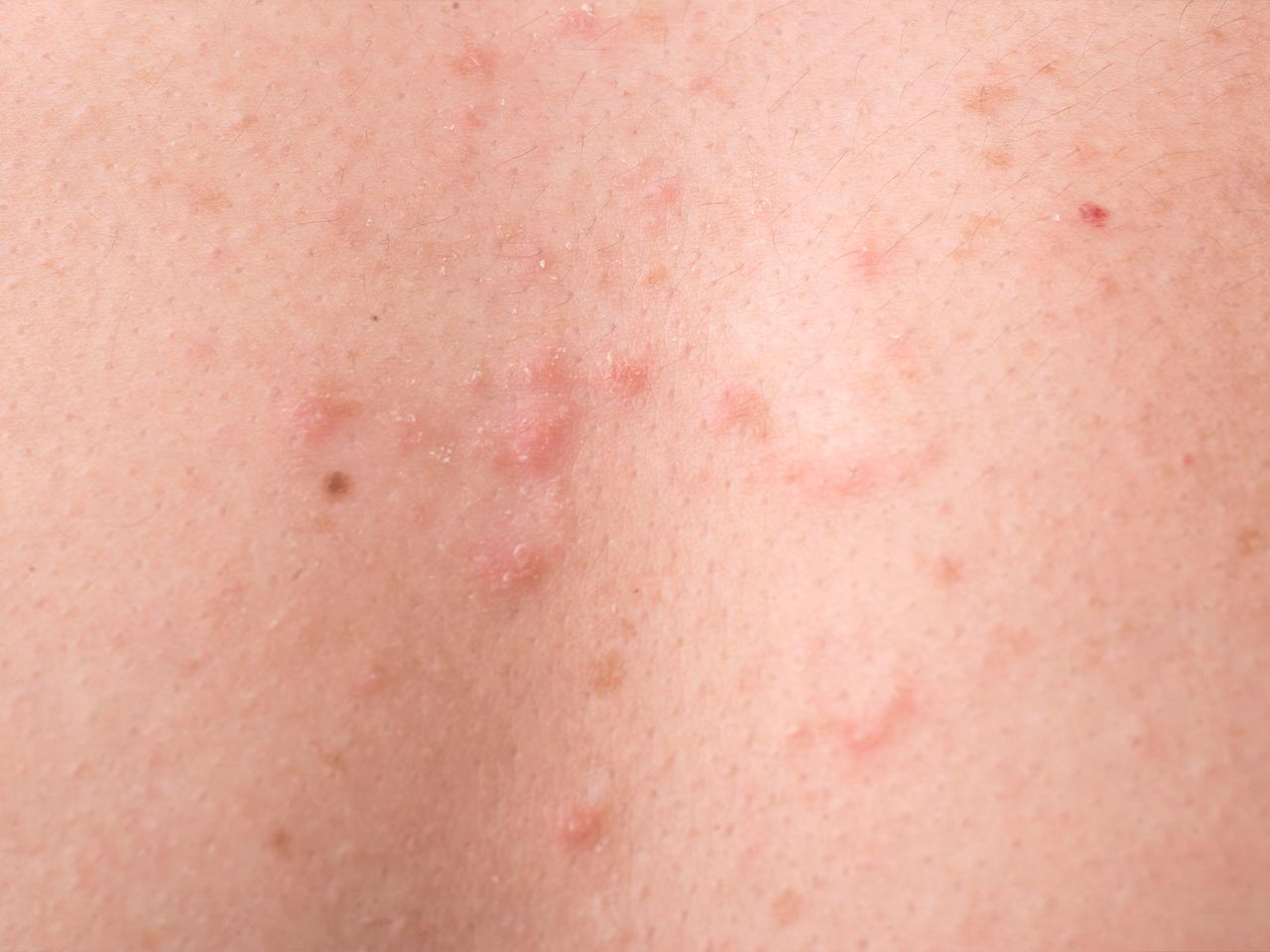
Mild cases of folliculitis usually clear up in a few days with basic self-care: Keep the area clean and dry, and avoid wearing tight clothes or shaving. Heat and sweat can cause folliculitis, so be sure to shower after strenuous workouts.
Speak to your doctor if your folliculitis persists or keeps coming back. They may prescribe oral antibiotics, a topical antibiotic or anti-yeast therapy.
Rosacea
This common condition appears as redness across the cheeks and nose, but it can also be accompanied by red bumps.
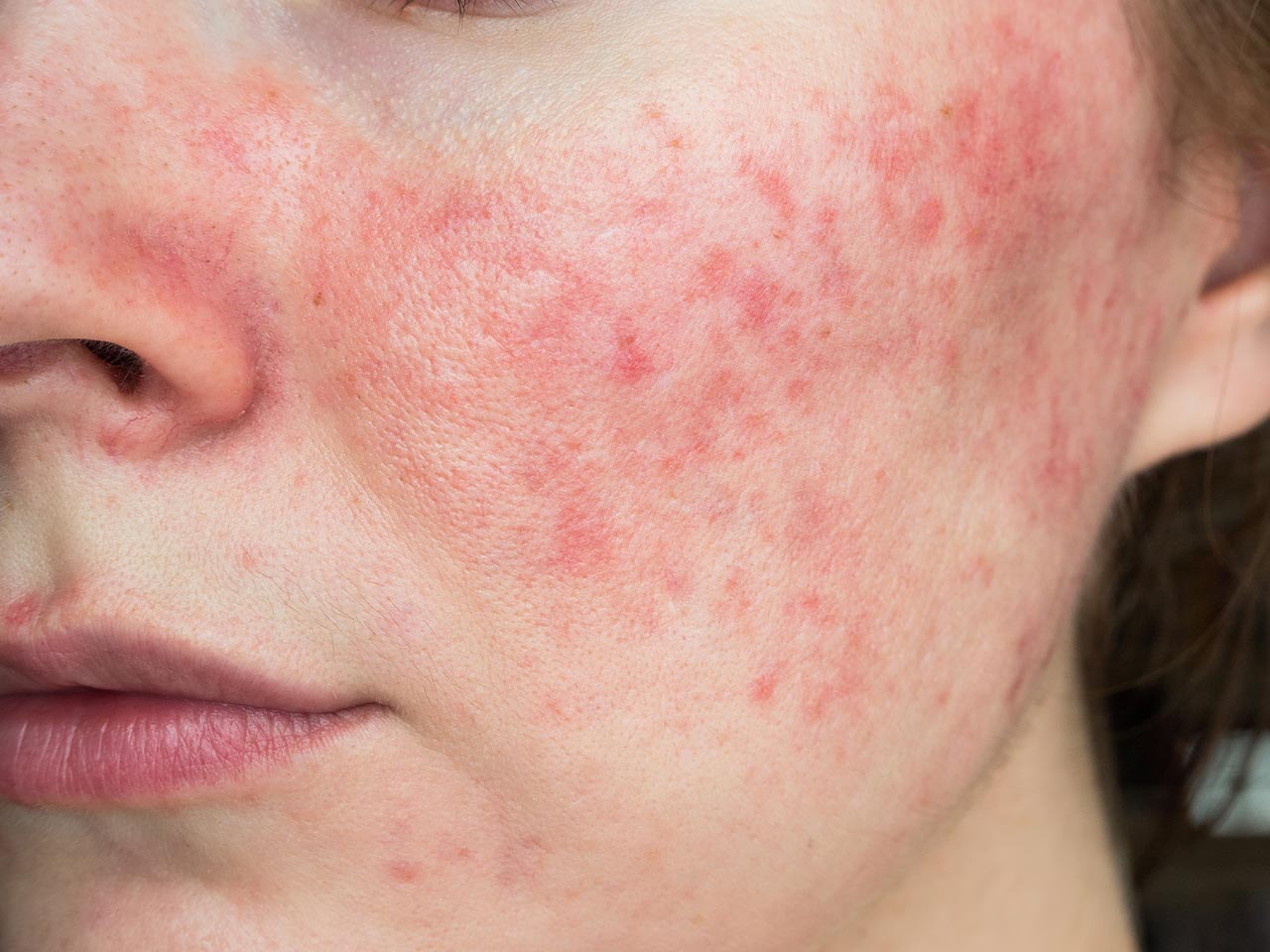
Rosacea tends to run in families. Outbreaks can be triggered by drinking alcohol, smoking, heat and sun exposure, and stress. Treatments include topical creams, sometimes containing low-dose antibiotics.
If you’re prone to rosacea, be sure to wear sunscreen outdoors. Exposure to sunlight can aggravate the condition.
Staph Infection
Large, painful bumps that look like acne can sometimes be caused by staph bacteria, Staphylococcus aureus. This bacteria is around us all the time: on our skin, in our noses, on surfaces and on the ground.
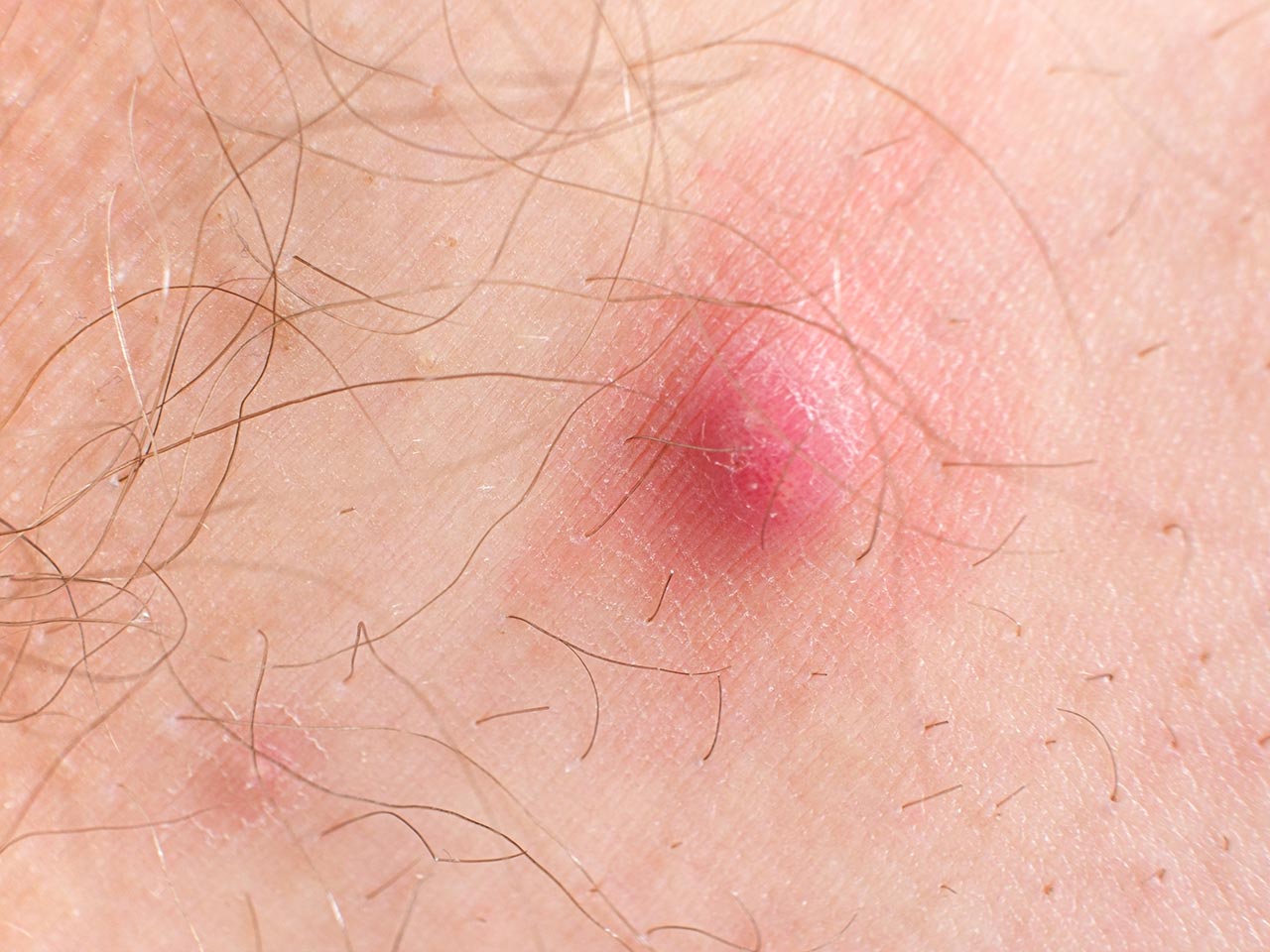
Inflamed skin blemishes are the most common type of staph infection. These infections are usually relatively minor and can be treated with antibiotics. However, if they get into the bloodstream, bones, joints or organs, the infections become far more serious.
If a blemish is painful, warm to the touch, full of pus or oozing, or accompanied by a fever, have your doctor check it out right away. You can prevent staph infections by washing your hands often, showering after working out, and keeping cuts and scrapes clean and covered with a bandage. In addition, avoid sharing towels, washcloths, razors and other personal items.
Keratosis Pilaris
Keratosis pilaris is sometimes called “chicken skin bumps” because it consists of large patches of tiny, raised bumps similar to plucked chicken skin or goosebumps. It most often shows up on the thighs, upper arms, back, buttocks or forearms.

The bumps are caused when the hair follicles produce more keratin—a protein found in skin, hair and nails—than they should. They may itch, and they can be flesh-colored or have a red or purple hue.
The good news is keratosis pilaris is harmless and typically does not require medical treatment. Moisturizing creams can help alleviate any itchiness, and over-the-counter topical products with chemical exfoliants such as salicylic acid, glycolic acid and urea can help reduce the appearance of the bumps.
Patients should see a dermatologist if they are bothered by their appearance or if the bumps bleed.
It’s important to remember that acne isn’t to blame for every red bump on your skin.
Fungal Acne
Fungal acne consists of clusters of small red bumps most often located on the forehead, chin, chest, upper arms, shoulders and upper back.
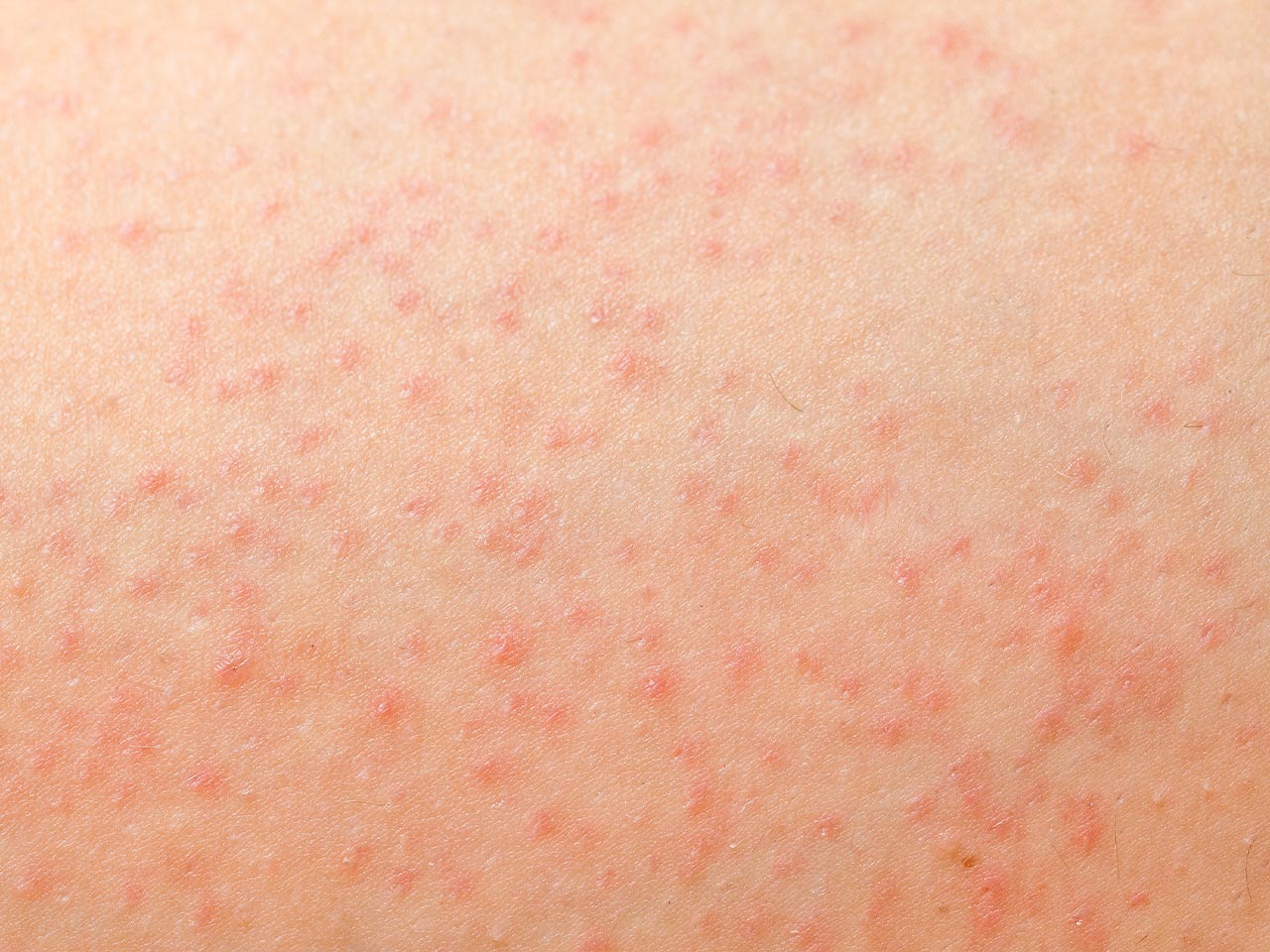
The bumps are caused when the yeast that lives on our skin becomes trapped in the hair follicles, resulting in an overgrowth of the yeast.
While the condition can look similar to the more common acne vulgaris, there are some differences that help distinguish it:
- The bumps in fungal acne tend to be consistent in size and color, whereas bumps caused by acne vulgaris can vary in size and color.
- Fungal acne tends to itch or burn, whereas acne vulgaris tends to hurt.
People who take antibiotics, have a weakened immune system, sweat a lot, wear tight clothing, or live in hot and humid climates are more prone to developing fungal acne. The condition will not resolve on its own, so talk to your doctor if you have itchy breakouts that aren’t improving overtime. They can prescribe topical or oral antifungal medications to treat the condition.
Skin Cancer
Skin cancer can start as small pink or red bumps that might have blue, brown or black areas. Pink growths with raised edges and a lower area in the center are also cause for concern. Open sores that don’t heal—or heal and then come back—might also be skin cancer. Moles that spontaneously disappear are also cause for concern.
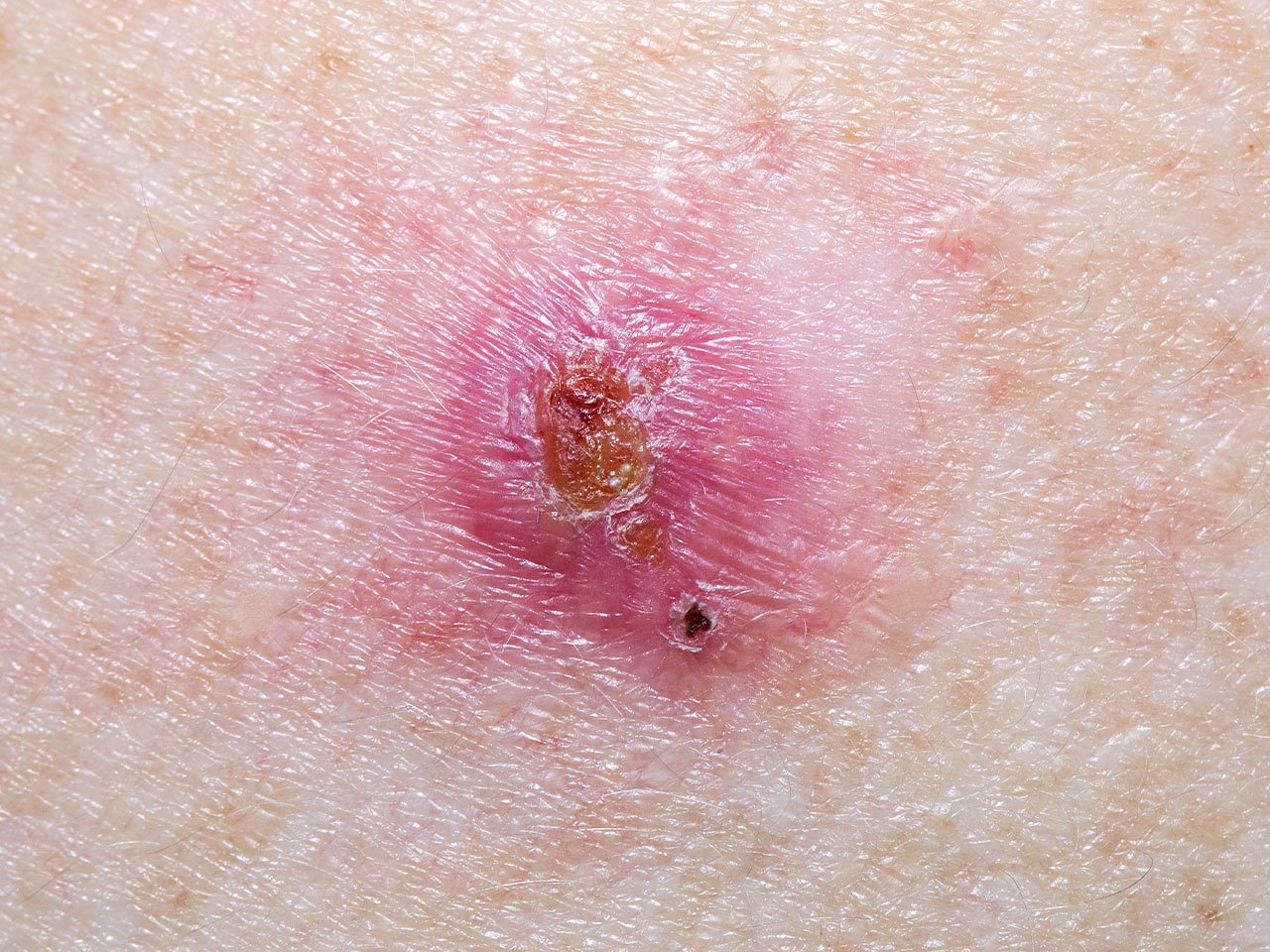
“When lesions disappear spontaneously, it means your immune system has recognized them for being something risky and it’s trying to get rid of them. So, when a mole disappears—especially a mole that’s been there for a long time—you need to see your dermatologist or your doctor,” said David Hoffman, MD, an oncologist at Cedars-Sinai.
If you have bumps or lesions like these, see your doctor right away. Skin cancer can be very treatable if caught at an early stage, but it’s potentially deadly if not detected before it spreads.
{{cta-block}}
What Should You Do? Self-Care Versus Seeing a Doctor
If you have pimples or skin bumps that are not painful or oozing, try self-care first:
- Wash the area with a gentle soap and dry off completely—especially after sweating
- Avoid picking, scratching or rubbing any bumps
See a doctor as soon as possible if the bumps or pimples:
- Do not heal
- Bleed
- Go away and then come back
- Are painful
- Are filled with pus or oozing
- Spread from the original site
- Are accompanied by a fever
Don’t be too quick to brush off a blemish. Even if it is a garden-variety pimple, if it’s causing you pain—physical or emotional—your doctor or dermatologist can help.
Frequently Asked Questions
Is it normal to have bumps or pimples on my skin?
Yes, most people have bumps on their skin or pimples at some point in their life. Most pimples or bumps are harmless, but some may require medical treatment from a doctor.
When should I see a doctor about bumps on my skin?
See your doctor about bumps on your skin if the bumps are painful, bleeding, filled with pus, oozing or not healing. Also speak to your doctor if the bumps spread from the original site, go away and then come back, or are accompanied by a fever.
Are there any home remedies for treating bumps on my skin?
To prevent or treat bumps on your skin that are not painful or oozing, you can try washing the skin with a gentle cleanser and drying off completely, especially after sweating. Also avoid picking, scratching or rubbing any bumps.