How Growing a Garden Can Support Your Mind and Body
Date
September 22, 2026
Date
September 22, 2026
Credits
Medical providers featured in this article


In Brief
Including enjoyable activities such as gardening in your weekly routine can be a great way to stay active and maintain physical and mental health.
Only 24% of American adults meet the recommended guidelines for aerobic and muscle-strengthening physical activity, but thinking differently about what counts as exercise may help more adults reach that goal. If you don’t enjoy crunches, lunges or jogging but you love planting and maintaining a garden, your hobby may already be benefiting your mental and physical health.
Gardening activities such as digging, weeding, watering and carrying bags of topsoil or mulch can count toward the weekly recommendations for 150 minutes of moderate-intensity aerobic exercise plus two or more days of muscle-strengthening activities.
“For people who find traditional exercise intimidating, inaccessible or just flat-out boring, gardening offers movement that’s natural, meaningful and creative,” said Cedars-Sinai psychiatrist Rebecca Hedrick, MD, director of Consultation Liaison Psychiatry in the Department of Psychiatry and Behavioral Sciences. “You’re engaging your muscles, your balance and your coordination, but it doesn’t feel like a workout. You’re not moving for the sake of moving. You’re using your body in service of something that grows because of your care.”
{{providers}}
{{cta-block}}
Spending time in the garden can help give you purpose. It also can be a welcome break from a busy schedule, which is good for your mental wellbeing.
For people who find traditional exercise intimidating, inaccessible or just flat-out boring, gardening offers movement that’s natural, meaningful and creative
“Gardening can help you disconnect from constant newsfeeds, social media apps and the frequent noise of our modern lives,” said Andrew Chuang, MD, an internist and primary care provider at Cedars-Sinai. “The sights, sounds and smells of being out in the garden and getting to watch plants grow on their own timeline help put things in perspective.”
How Gardening Supports Physical Health
Tending to your plants can help you build strength, flexibility and endurance, but research has shown gardening has other benefits for your body, too.
Gardening helps adults:
- Maintain healthy sleep habits
- Lose weight
- Improve their cardiovascular health
- Lower their risk of diabetes
Gardening can also help preserve the length of your telomeres, the protective ends on DNA strands that shorten as people age. For older adults, the more slowly their telomeres shorten, the slower they will physically decline.
“Each time a cell divides, it loses some of the telomeres,” Hedrick said. “Eventually, we start getting wrinkles and gray hairs. But gardening has been shown to decrease the rate of aging.”
Gardening outdoors exposes you to sunlight, which helps your body produce vitamin D. This essential vitamin helps strengthen the immune system and enables the body to absorb calcium for stronger bones.
“Being outside is an additional benefit of gardening,” Chuang said, “but sun-sensitive patients should wear sunscreen, sunglasses and a hat, as needed.”
The Mental Health Benefits of Gardening
Gardening has been shown to help reduce depression, anxiety and stress levels.
“Digging in your garden can bring you back to the wonder you may have felt when you were a kid, being fascinated with the dirt, bugs and watching things grow,” Chuang said. “It’s a reminder in our ever-changing world that there are many things that are still just the way they always have been.”
When you’re pulling weeds or deadheading flowers, try to focus intently on the moment, which is key to the practice of mindfulness.
“Instead of worrying about what will happen in the future or what happened in the past, mindfulness is a way of paying attention, on purpose, to the present moment,” Hedrick said. “When you’re fully absorbed in that present moment, you’re not thinking about work or scrolling through your phone. It lowers our stress hormones, slows the heart rate, supports digestion and helps the body return to a regulated baseline.”
Gardening as a Way to Connect With Others
Gardening can help foster social connection. Some suggestions for cultivating community through gardening include:
- Chat with neighbors who walk by when you’re watering your flowers.
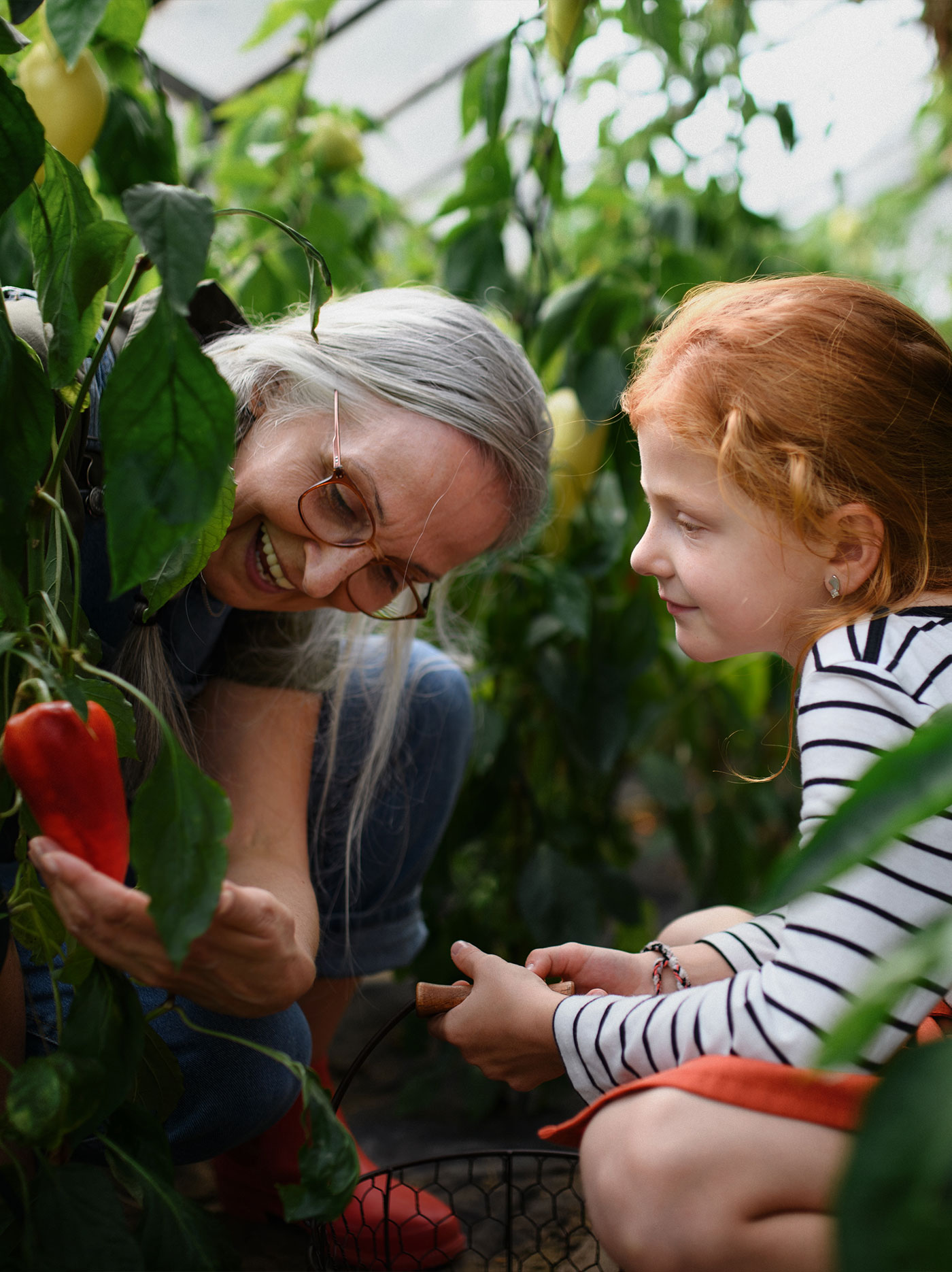
- Have your kids or your friends’ kids help you pick strawberries.
- Bring a hand-picked bouquet to a sick friend.
- Give surplus cucumbers to your next-door neighbor.
“Whether I’m bringing them cut flowers or vegetables that I’ve grown, or just showing them pictures of my garden, sharing that joy with other people allows you to strengthen relationships through generosity, creativity and shared joy,” Hedrick said.
Community gardens may help you meet people with similar interests, who might become friends. People who spend time in a community garden feel more peaceful and generous, and they experience positive mental health benefits, according to research.
Growing Your Own Vegetables: Nutrition You Can Taste
Research shows gardening can improve your diet. Adults who tend plots in community gardens increase their vegetable consumption significantly as the growing season progresses, and children who participate in school-based gardening programs eat more vegetables.
“I used to hate bok choy and kale, but once I started growing them, I thought, ‘I can eat this,’” Hedrick said. “It gives you a new appreciation. You start eating better, not because you’re eating what you grew, but because you appreciate fresh fruits and vegetables more.”
How to Start Gardening, Even if You're a Beginner
Your neighbor’s juicy tomatoes or vibrant flowers may entice you to start your own garden.
First, plant a few seeds to make sure you enjoy it.
“I started with one pot on the balcony,” Hedrick said. “Start small and see what you can do, especially if you’re brand-new to it.”
If your doctor suggests you’re too sedentary, ask them about gardening as an option for increasing your physical activity.
“I’ll sometimes write on the prescription pad ‘Physical activity such as gardening: 30 minutes three times per week’ to formalize this for patients,” Chuang said. “But obviously, you don’t need a prescription to get started.”
Don’t get upset if things you plant don’t sprout or if squirrels pilfer your vegetables.
“It’s important not to be attached to the results, because gardening is a practice of letting go,” Hedrick said. “Plants come and go, live and die. You don’t need to be a perfect gardener. The goal is to find the plants that fit you, your environment and your ability to care for them.”
Frequently Asked Questions
Does gardening count as exercise?
Yes, gardening tasks provide physical activity, whether you’re bending and lifting to dig a hole, squatting to pull weeds, or pushing a wheelbarrow filled with compost.
What are the health benefits of gardening?
Gardening is a heart-healthy activity that helps you build strength and endurance and may help you sleep more soundly. Spending time outdoors helps boost your vitamin D levels, and growing fruits and vegetables encourages healthier eating habits.
Is gardening good for mental health?
Yes. Caring for living things can give you a sense of purpose, and the repetitive motions of tasks such as weeding and watering can be soothing. Gardening also may help decrease stress, anxiety and depression.
Is gardening safe for older adults?
Gardening can help older adults get physical activity, but they should be cautious about lifting heavy items or pushing themselves too far physically. They should drink water to stay hydrated and take frequent breaks from the hot sun. Older adults with medical conditions should consult a doctor for advice.

.jpg)