What Is Heart Rate Variability? Understanding HRV and Your Health
Date
October 29, 2026
Date
October 29, 2026
Credits
Medical providers featured in this article

In Brief
If you have a smartwatch or a similar wearable, it probably gives you a daily heart rate variability (HRV) score.
Sports scientists have been measuring athletes’ HRV to track fitness and recovery since the 1970s. But what does an HRV score mean, and what does it really tell you about your health?
What Is Heart Rate Variability?
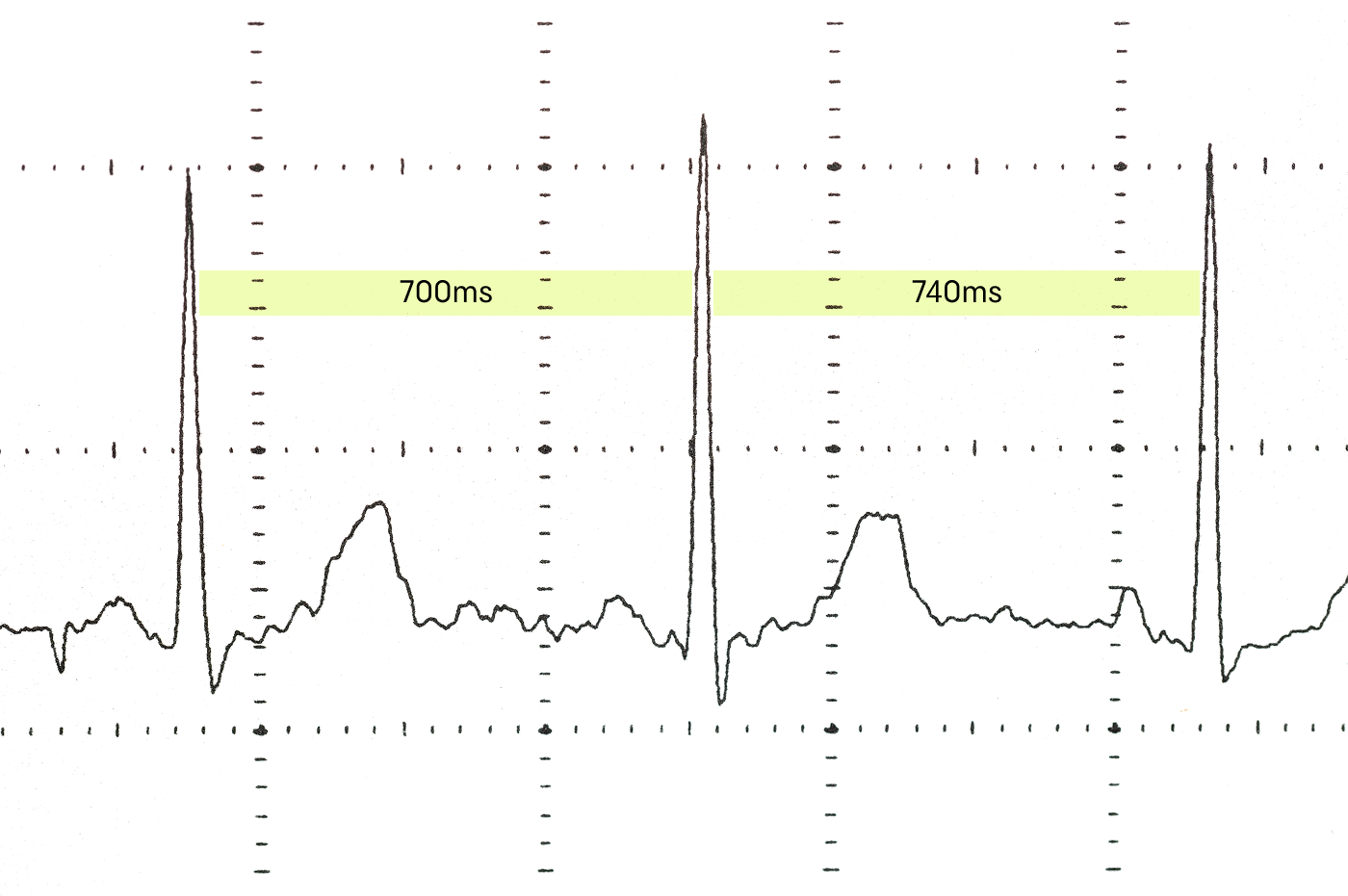
The time in between one heartbeat and the next is called the interbeat, or R-R interval. It’s measured in milliseconds (ms), and it’s never quite the same from one heartbeat to the next. HRV is the difference in the length of those interbeat intervals. For example, if one interbeat interval is 700ms and the next is 740ms, the HRV is 40ms.
{{providers}}
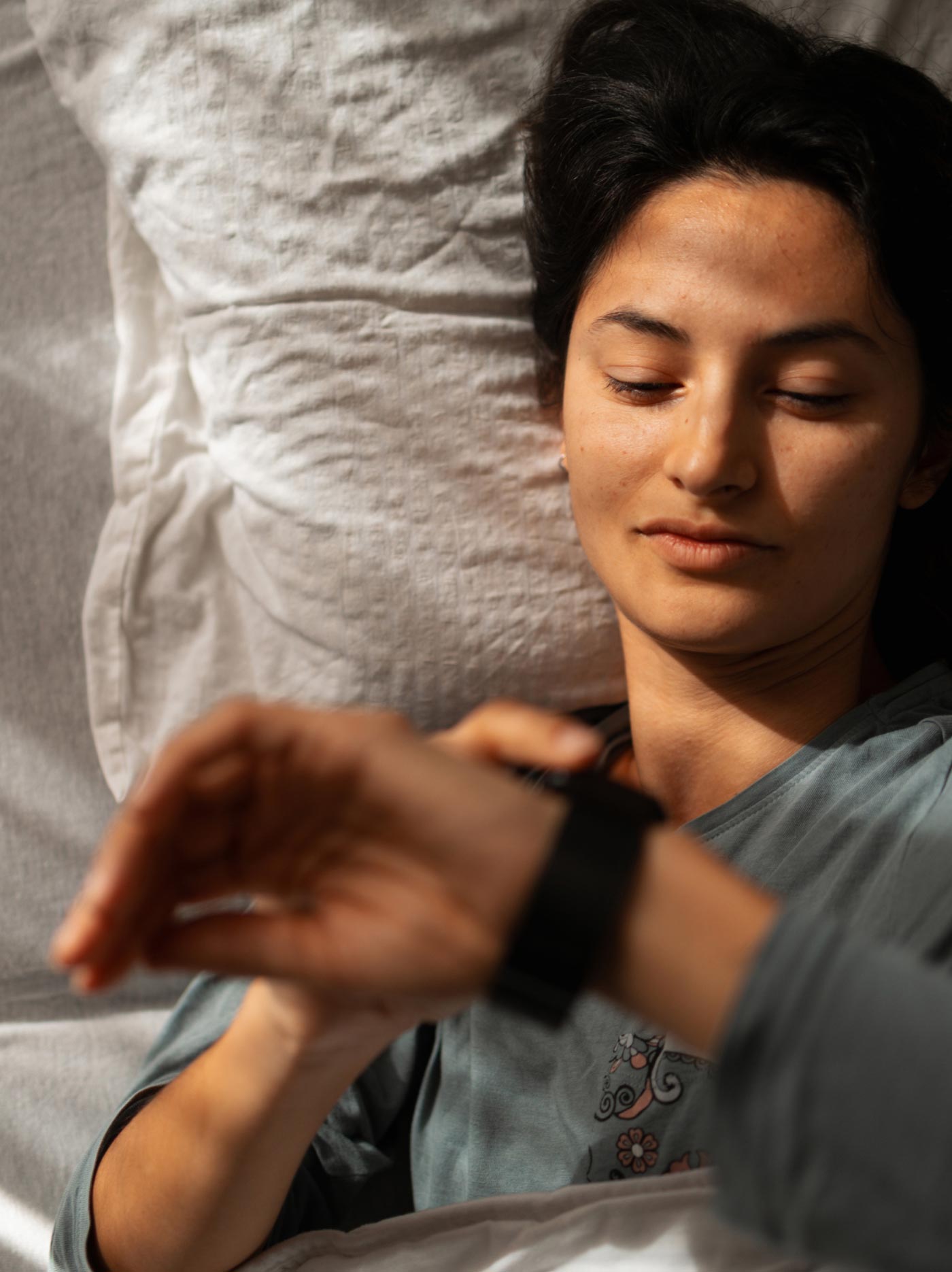
Movement ruins the accuracy of the measurement, so HRV is primarily measured at night while you’re asleep and still. The score you get in the morning is a weighted average of all the HRV measurements your device captured overnight.
What Causes Variation in Heart Rate?
{{cta-block}}
Your heart rate and HRV are influenced by the autonomic nervous system. That’s the system that runs behind the scenes in your body to regulate functions you usually don’t try to control, such as your breathing, body temperature and digestion. The system has two main modes:
- Sympathetic, also known as your “fight-or-flight” response, which speeds up your heart rate and pumps adrenaline into your system
- Parasympathetic, or “rest-and-digest,” which lowers your blood pressure and gives your body time to heal and digest
Your breathing also influences HRV in concert with your autonomic nervous system.
“When you breathe in, the pressure inside your chest falls, and autonomic signals cause your heart rate to speed up slightly,” said sports cardiologist Eli Friedman, MD, who directs the Sports Cardiology Program at the Smidt Heart Institute at Cedars-Sinai. “When you breathe out, parasympathetic activity increases and slows it down again.”
What Does Your HRV Score Tell You About Your Health and Fitness?
When you are relaxed or asleep, the parasympathetic mode of your autonomic nervous system kicks in and slows your heart rate. A slower heart rate leaves more room for variation between beats. More variation means a higher HRV score in the morning, indicating your body is rested and recovering well.
One low reading isn’t necessarily a cause for concern. What’s more important is the trend over time.
If your HRV score is trending lower, it may reflect stress, poor sleep, dehydration, illness or overtraining from which your body is struggling to recover. Alcohol, eating a big meal right before bedtime and some medications can also lower your HRV.
“One low reading isn’t necessarily a cause for concern,” said Friedman. “What’s more important is the trend over time.”
Athletes use HRV as one metric—among others, such as muscle soreness or general fatigue—that can provide insight into the extent of muscle recovery. A tough workout will lower HRV. If/when HRV trends back up, it suggests the body is ready for more hard training.
What Is a Healthy HRV Range?
HRV ranges are highly individual based on your biology and other factors. It is more informative to measure your HRV score against your own range of normal scores, rather than measuring it against someone else’s score or a general standard. Most wearables require multiple weeks of your HRV data to establish a true baseline range.
Biological factors that influence your HRV range:
- Genetics: Some people have naturally lower ranges and others higher, depending on inherited genetic traits.
- Age: HRV naturally declines as you age.
- Sex: Young men tend to have slightly higher HRV numbers than young women, though that difference narrows with age.
- The health of your cardiovascular system.
“Greater cardiovascular fitness can increase your parasympathetic tone, and that can raise your HRV,” said Friedman.
Other factors that can affect your HRV:
- Substance use, such as long-term tobacco or heavy alcohol consumption
- Chronic stress
- Consistently poor sleep
- Physical and mental illness, particularly long-term anxiety or depression
Bottom line: If your HRV is stable or trending up, that’s good news for your general health and wellbeing. If it’s trending down, something may be stressing your body and making your heart and nervous system work a little harder.
How Is HRV Measured, and Are Wearables Accurate?
Most wearables, such as smart watches, fitness rings and arm bands, use a process called photoplethysmography, which involves shining a green or infrared light through the skin to measure waves of blood flow and the time between them.
A sports chest strap captures HRV more accurately by measuring the exact electrical spike each time the heart muscle fires.
“It’s not so important that the wearables are really precise, as long as they are consistent,” said Friedman. “Because it’s the trend over time that will give you the more important information.”
How to Support and Improve Your Heart Rate Variability
Here are some actions you can take that may help improve your HRV:
- Do regular aerobic exercise and strength training to keep and improve your heart health.
- Prioritize sleep and practice good sleep hygiene to let your body rest and recover. Get help if you’re struggling to get enough good-quality sleep.
- Stay hydrated and limit alcohol and tobacco products.
- Reduce stress and try a slow breathing exercise to stimulate your parasympathetic system, or mindfulness and meditation to lower overall mental stress.
Speak with your doctor before starting a new training program, particularly if you have a heart condition or other illness or symptoms.
When to Talk to Your Doctor About HRV
Heart rate variability is a wellness metric; it is not a diagnostic test that can identify or rule out a medical condition.
Don't let the numbers tell you how you feel.
However, if your HRV suddenly drops very low and stays there for weeks, and if it is accompanied by a persistent feeling of exhaustion, deep anxiety or depression, schedule a visit with your doctor.
Seek immediate medical attention if you have more serious symptoms, such as chest pain or pressure, shortness of breath, or fainting and lightheadedness.
“Don't let the numbers tell you how you feel,” cautioned Friedman. “If you feel good and you’re performing well athletically and you get regular medical checkups, then a low HRV score shouldn’t concern you.”
Frequently Asked Questions
What is heart rate variability?
Heart rate variability, or HRV, is the variation in time between heartbeats. It is influenced by the autonomic nervous system, which helps regulate stress, recovery and other body functions.
What is a good HRV for my age?
There is no single “good” HRV number for everyone. HRV varies by age, sex, fitness level, sleep, stress and overall health. Your personal baseline and long-term trend are usually more useful than comparing your number with someone else’s.
What does low HRV mean?
A single low HRV reading is not always a concern. HRV can drop because of poor sleep, stress, dehydration, illness, alcohol, hard workouts or inadequate recovery. A persistent downward trend may be worth discussing with a healthcare provider.
Do wearables accurately measure HRV?
Wearables can be helpful for tracking HRV trends over time, but they are not medical diagnostic tools. Results can vary by device, sensor type, timing and how the measurement is taken.
How can I improve heart rate variability?
Healthy habits that may support HRV include regular exercise, quality sleep, stress management, breathing exercises, hydration, limiting alcohol and allowing time for recovery after intense workouts.
How do athletes use HRV?
Athletes may use HRV trends to help understand recovery and training readiness. HRV is most useful when combined with other signals, such as sleep quality, soreness, mood, performance and perceived exertion.
When should I talk to a doctor about HRV?
Talk to a doctor if you notice a persistent, unexplained drop in HRV. Seek immediate care if it comes with symptoms such as palpitations, chest discomfort, shortness of breath, dizziness or fainting.