What to Expect During Colonoscopy Prep
Date
November 10, 2026
Credits
Date
November 10, 2026
Credits
Medical providers featured in this article

In Brief
Nobody awaits their colonoscopy with eager anticipation.
You might dread the clear-liquid diet, the overly sweet or salty taste of bowel prep or soreness from repeated wiping. Compared with the preparation, the colonoscopy itself may seem easy: You’ll receive sedation and typically won’t feel or remember the procedure. Still, concerns about sedation can make some people hesitant.
Although aspects of bowel preparation can be unpleasant, colonoscopy is an important tool for detecting and preventing colorectal cancer. It allows doctors to examine the lining of the colon, identify suspicious lesions, obtain biopsies when needed, and remove precancerous polyps before they have the chance to develop into cancer. And the process is more manageable than many people expect.
“If we see a mass or cancer, we’re able to take biopsies and leave a tattoo so that the surgeons can remove that part of the colon,” said Kavya Reddy, MD, a Cedars-Sinai gastroenterologist, who frequently performs colonoscopies. “We’re also looking for precancerous growths, called polyps, that can turn into cancer. We’re able to remove them during the procedure, preventing them from turning into cancer.”
{{providers}}
What Happens During Colonoscopy
During a colonoscopy, after you’ve been sedated, your doctor inserts a flexible tube with a camera on its end into your anus to look at the inner lining of your large intestine (colon). If they see a precancerous polyp, they remove it. They also biopsy suspected cancers.
Prepping your bowel makes it possible for your doctor to view your large intestine.
“The prep is the most cumbersome part of the procedure,” Reddy said. “It’s also the most important part, to make sure that we’re actually able to see the inside of your colon.”
{{cta-block}}
An Underused Screening Tool
The U.S. Preventive Services Task Force recommends that adults should be screened for colorectal cancer between the ages of 45 and 75.
However, one-third of adults aged 45 to 75, and two-thirds of adults aged 45 to 49, have never had a colonoscopy, according to research from the Centers for Disease Control and Prevention.
Some people avoid colonoscopy because they have hesitations about the procedure or the prep. But it doesn’t make sense to skip a screening test that might find –— and remove— – cancer before it develops.
These are the most common hesitations that patients have about getting a colonoscopy, plus ways you can make colonoscopy prep easier to bear:
Concern: Following a Clear Liquid Diet
Solution: Adding a Low-Residue Diet
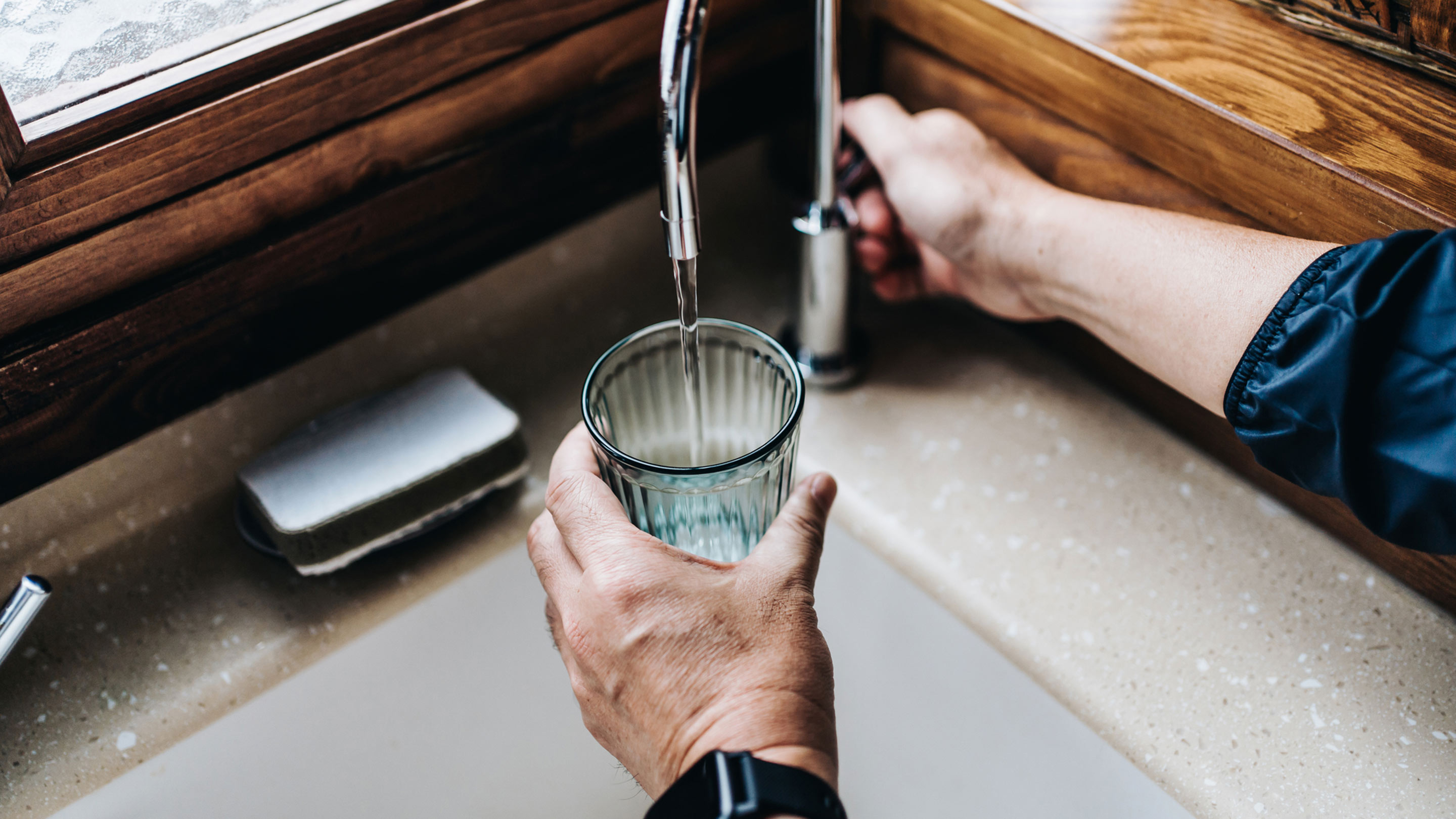
The day before your colonoscopy, you’ll be asked to consume only water, flavored water, unsweetened black coffee, Gatoradesports drinks, chicken broth and Jell-Ogelatin. Some people worry that they’ll be hungry or feel light headedlightheaded.
Depending on your doctor's instructions, you may be able to follow a low-residue diet before switching to clear liquids. This diet limits foods that leave more material in the digestive tract, such as nuts, seeds, raw vegetables and whole grains, and may help make the preparation period more comfortable.
“Depending on the prep protocol, patients may be able to eat foods like white bread, white rice, applesauce and canned fruit before transitioning to clear liquids,” Reddy said.
Concern: The Unpleasant Taste of Bowel Prep
Solution: Options Can Mask or Eliminate the Problem
Bowel prep flavors vary, but the liquid may be overly sweet, cherry-flavored, salty or sour.
“There are things to make some of the more medicinal preps taste better,” Reddy said. “You can chill it. You can add flavoring: A little lemon, lime or even Crystal Light. Sipping through a straw can help, as well.”
If you’re hesitant about the taste, your doctor might recommend MiraLAX and Gatorade.
“Pick whichever flavor of Gatorade you want, other than the red, purple, or blue ones, because that can look like blood,” Reddy said. “The MiraLAX doesn’t have much of a taste, but you might notice a slight medicinal aftertaste.”
For people who want a flavor-free prep, there are tablets, which you’ll need to take with water.
Concern: The High Volume of Bowel Prep
Solution: Some Preps Are Lower Volume
Traditional bowel preparations may require drinking several liters of solution, which can be challenging for some patients. However, lower-volume liquid preparations and tablet-based options are also available.
“The best preparation depends on the individual patient,” Reddy said. “We consider factors such as constipation, medications that affect gastrointestinal motility, medical conditions and prior bowel-prep quality when deciding which regimen is most appropriate.”
Concern: Drinking Bowel Prep Too Slowly
Solution: Your Doctor May Modify Your Plan
If drinking large amounts of liquid at once is difficult, tell your doctor before the procedure. Depending on the preparation and your procedure time, the schedule may be adjusted to make it easier to finish the solution while still allowing adequate time for the bowel to clear.
“If drinking the prep is challenging, talk to your doctor about how to make the schedule more manageable,” Reddy said.
You may find preparation challenging if you take medication that makes food empty out of your stomach more slowly, like such as GLP-1 inhibitors. People who have had bariatric surgery may also have problems drinking a lot quickly, because the surgery decreased the size of their stomach, which cannot hold much volume.
“It’s okay OK to sip it slower, as long as they’re able to finish the entire bowel prep over the prescribed time frame,” Reddy said.
Concern: Soreness Caused By by Excessive Wiping
Solution: Many Options Are Available
Once the bowel prep kicks in, you’ll go to the bathroom multiple times. Applying zinc oxide paste may prevent or ease discomfort. Alternatives to toilet paper may also help.
“One of the complaints is people’s bottoms get very raw from going all night,” Reddy said. “Try not to use toilet paper by itself, because all of the wiping irritates it. Use wet wipes or just water, if you have access to a bidet.”
Concern: Worrying About Sedation
Solution: Discussing Options Can Help
If you’re concerned about anesthesia and sedation, talk to your doctor. Learning about the most common options may make you feel more comfortable.
Many patients receive propofol, which is commonly administered by an anesthesia professional and produces deep sedation. Others receive moderate sedation, sometimes called “twilight sedation,” using medications that promote relaxation and reduce discomfort. Patients receiving this form of sedation won’t feel pain, and have little sedation, but can be roused in case they want to watch the screen during the procedure.
“The appropriate sedation approach depends on the patient, their medical history and the setting,” Reddy said. “If you have concerns about sedation, talk with your doctor beforehand so you understand your options and any risks specific to you.”
Sedation is usually well tolerated. Those patients with underlying medical problems, may need further evaluation before undergoing sedation.
Concern: Bleeding or Injury During Colonoscopy
Solution: Doctors Manage These Uncommon Incidents
Serious complications from colonoscopy are uncommon, but they can include bleeding and perforation, or tear, in the wall of the colon. The risks vary depending on the patient's health and whether the procedure involves interventions, such as polyp removal.
“Minor bleeding can occur after a biopsy or polyp removal, and we have techniques to control it, including placing clips when needed,” Reddy said. “Perforation is uncommon, but if it occurs, prompt evaluation and appropriate treatment are essential.”
Finding out how many colonoscopies your doctor has performed may ease your worries.
“Some patients ask how experienced I am and what my complication rate is, so we go over those numbers,” Reddy said. “Most are reassured and decide to proceed with a procedure that they were previously afraid of.”
Frequently Asked Questions
What does colonoscopy prep entail?
You’ll be asked to stop eating a day before your colonoscopy, switching to a clear liquid diet. The night before your procedure, you’ll prepare half of the bowel prep that your doctor prescribed and drink it within the designated time frame. You’ll prepare and drink the other half a few hours before the procedure. The prep will make you go to the bathroom several times to empty out your colon.
How will I know if my bowel prep worked?
By the end of your preparation, your bowel movements should generally be watery, clear or pale yellow like urine, without solid pieces. This suggests that your colon is becoming clean, although your doctor will determine whether the preparation is adequate during the procedure. If your bowel movements remain cloudy or contain solid material, contact your endoscopy team for guidance.
Will my colonoscopy prep change if I take GLP-1 inhibitors?
GLP-1 medications can slow stomach emptying in some patients. If you take one of these medications, let your endoscopy team know before your procedure. Your care team will determine whether any medication adjustments or additional precautions are needed based on your medical history, symptoms and the planned procedure. Do not stop the medication without instructions from your prescribing clinician or procedural team.
Will my colonoscopy prep change if I’ve had bariatric surgery?
If you have had bariatric surgery, tell your doctor before starting bowel prep. Drinking large volumes of liquid may be more difficult after some procedures, and your doctor may recommend a differentdifferent preparation or strategies to help you tolerate it. Do not change your prescribed regimen without checking with your endoscopy team.