What Does the Appendix Actually Do?
Date
October 19, 2026
Credits
Date
October 19, 2026
Credits
Medical providers featured in this article

In Brief
The appendix: Does it have a purpose?
For generations, the appendix was treated as an evolutionary spare part: a small pouch that hangs off the gut, a leftover from our ancestors’ plant-heavy diet. It could get infected, become inflamed and require emergency surgery, yet many people live a normal life without it.
Research over the past two decades suggests the appendix may have a more interesting job description. The organ may help support the immune system and serve as a haven for beneficial gut bacteria.
But when the appendix turns from a potential asset to an undeniable liability, removing it is still the safest option.
{{providers}}
{{cta-block}}
The Appendix as a Refuge for Good Bacteria
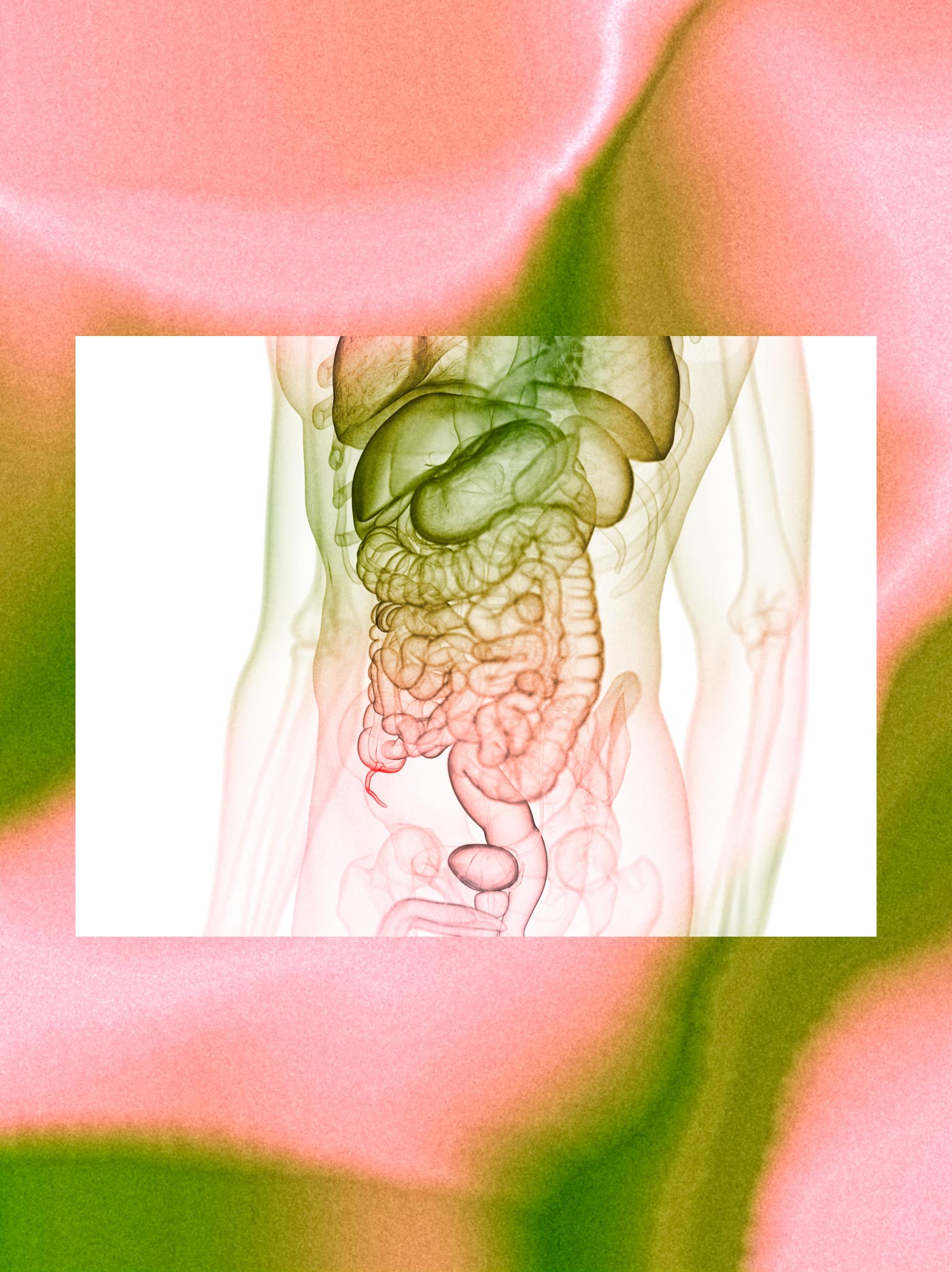
The appendix is a narrow, worm-shaped pouch, usually about the size of your pinky finger. It sits where the small intestine meets the colon, in the lower right side of the abdomen.
“We’re still not sure what the appendix actually does, or how it contributes to overall health and function,” said Nicolas Melo, MD, a general surgeon at Cedars-Sinai.
One hypothesis describes the appendix as a sort of biological safe house for beneficial bacteria. Its narrow, tucked-away shape may protect beneficial microbes during an episode of severe diarrhea, infection or other disruption that wipes out bacteria in the colon. Once the crisis passes, those microbes may help repopulate the gut.
It’s a compelling theory, and it lines up with real evidence. Studies have found dense communities of bacteria living in the appendix that closely resemble those found in a healthy colon. But that doesn’t mean the appendix provides a meaningful health benefit.
“We know the appendix holds a mix of microbes within, but there’s no evidence of a significant change in biological function after appendectomy,” Melo said.
We’re still not sure what the appendix actually does, or how it contributes to overall health and function.
The Appendix as Immune Support
For decades, scientists have recognized that the appendix is home to lymphoid tissue, part of the immune system’s network of cells and structures that monitor what enters the body. As such, the appendix may help the immune system learn about microbes living in the gut and respond to harmful invaders.
“The immune tissue found in the appendix is also found throughout the digestive tract, including the small intestine and other structures,” said Melo. “That tissue is not unique to the appendix, and it’s not a justification for keeping an inflamed appendix.”
While researchers have explored whether removing the appendix impacts the odds of developing certain diseases, the existing studies report loose correlations rather than proven outcomes.
“Large population studies can turn up statistical associations, but with appendectomy being one of the most common surgeries in the world, it’s easy to find correlations that have nothing to do with cause and effect,” Melo said.
When the Appendix Becomes Dangerous
Despite its potential roles in the gut and immune system, the appendix is still best known for causing appendicitis. Appendicitis happens when the appendix becomes blocked, often by a small piece of hardened stool called a fecalith.
“The appendix is like a dead-end tube,” said Melo. “When it becomes inflamed, and mucus and bacteria get trapped inside, it blows up like a balloon at a kids’ magic show.”
Without treatment, pressure can cut off blood flow to the appendix. It may then rupture, spilling bacteria into the abdomen and causing a medical emergency that requires urgent treatment.
Symptoms of appendicitis include:
- Worsening abdominal pain
- Fever
- Nausea and vomiting
- Tenderness to the touch, particularly in the right lower abdomen
Why Appendectomy Is Still Common
The appendix’s potential to bolster the gut and immune system does not outweigh the real threat of appendicitis. Imaging, including CT scans, can help confirm appendicitis and guide treatment decisions, including whether surgery is necessary.
For select patients with uncomplicated appendicitis, antibiotics may be an option. But if the appendix is blocked by a fecalith, or symptoms are progressing, removing the appendix is often the safest path, particularly when the goal is to prevent the patient from facing the same infection again.
“Although surgery sounds dramatic, modern appendectomy is often performed laparoscopically through several small incisions,” said Melo. “Healthy patients with uncomplicated appendicitis may spend only hours in the hospital.”
There’s no special long-term diet or supplement regimen after appendectomy, and most people can return to their normal activities within a few weeks. The missing appendix usually has little, if any, noticeable effect on daily life.
The Appendix Isn’t Useless—Or Indispensable
Despite compelling and conflicting headlines, the appendix is not a useless organ or a hidden superpower. “It may play a small role in the gut’s immune and microbial ecosystem,” said Melo. “But the body clearly has enough backup systems to function without it.”
If your appendix causes trouble, timely treatment makes a critical difference—and living without it is unlikely to impact your quality of life or longevity.
“I can’t rule out that we’ll someday find the appendix protects against some serious condition,” Melo said. “But I’d rather treat the appendicitis in front of me now, so the patient lives long enough to worry about that.”
Frequently Asked Questions
Can you live without an appendix?
Most people live normal, healthy lives without an appendix. Researchers believe it may play a small role in supporting gut bacteria and the immune system, but it isn’t essential.
Does removing the appendix affect digestion?
Since the appendix is not involved in breaking down and absorbing nutrients, most people digest food normally after appendectomy.
Can your appendix grow back after removal?
The appendix generally does not grow back. Rarely, a small amount of remaining appendix tissue can become inflamed. This is called stump appendicitis.
Can appendicitis be treated without surgery?
Doctors may treat some uncomplicated cases of appendicitis with antibiotics, but surgery remains the standard treatment. The appropriate approach depends on the individual case.
Can appendicitis be prevented?
There is no guaranteed way to prevent appendicitis. You should seek immediate medical care if you develop symptoms that could indicate an inflamed appendix.