Vaccines to Get Before Seeing—or Delivering—a Newborn
Date
January 5, 2026
Credits

Date
January 5, 2026
Credits
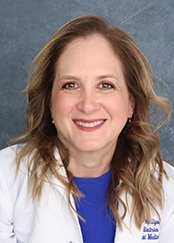
Medical providers featured in this article

In Brief
{{cta-block}}
In the first hours and weeks of your newborn’s life, you begin protecting them: stocking the diaper bag, installing the car seat, baby-proofing the home. But another kind of protection happens at a microscopic level long before your baby arrives: vaccination.
“Since newborns’ immune systems are still developing, they can’t receive most vaccines until they’re several months old,” said Jonathan Grein, MD, director of Hospital Epidemiology and infection control officer at Cedars-Sinai. “That means parents, grandparents and close caregivers become the first line of defense against serious illnesses.”
Why Vaccines Matter When Visiting a Newborn
Newborns are particularly vulnerable to respiratory and bacteria-driven illnesses such as pertussis (whooping cough), influenza (flu), SARS-CoV-2 (the virus that causes COVID-19) and respiratory syncytial virus (RSV). For immature immune systems, these infections can be severe and even life-threatening.
Babies aren’t eligible for whooping cough vaccinations until they’re 2 months old, and they’re not eligible for flu shots or COVID-19 vaccines until they’re 6 months old. During that window of vulnerability, the best defense for your baby is to prevent bugs from ever entering their system.
“Staying up to date on the recommended vaccinations helps ensure you won’t unwittingly pass along a serious illness to a vulnerable child,” said Grein.
Since newborns’ immune systems are still developing, they can’t receive most vaccines until they’re several months old. That means parents, grandparents and close caregivers become the first line of defense against serious illnesses.
Essential Vaccines to Get Before Your First Newborn Visit
Protecting newborns begins with vaccinating everyone who will be in close contact with the baby.
“When the people who will be caring for a newborn have the appropriate vaccinations, they build an invisible biological shield around the child,” said Pamela Phillips, MD, practicing pediatrician and medical director of the Cedars-Sinai Medical Group.
A bonus: When pregnant women get vaccinated, they pass protective antibodies to their unborn babies.
The top four vaccines you should get before seeing a newborn:
- Tdap (tetanus, diphtheria and pertussis): Whooping cough is especially dangerous for infants. It can cause severe coughing fits, pneumonia and even death. Health authorities recommend pregnant women receive a Tdap vaccine during each pregnancy, ideally between 27 and 36 weeks, to ensure optimal protection for baby. “It’s also important for grandparents and other caregivers to confirm they’ve had a Tdap booster within the past 10 years,” said Phillips. “If not, they should get a Tdap vaccination at least two weeks before meeting the baby to give their body time to build antibodies.”
- Respiratory syncytial virus (RSV): RSV is a leading cause of hospitalization in infants, especially during the fall and winter months. “Vaccines against RSV for pregnant women, given in the third trimester, are now available. They’re a great option for families aiming to protect their baby before birth,” Grein said. Infants up to age 8 months may receive a one-time monoclonal antibody injection against RSV if their mother did not receive the vaccine during pregnancy.
- Influenza (flu): Infants under 6 months old are at risk of serious complications from the flu. Health authorities advise everyone who will be in contact with the baby to get the flu vaccine, including expectant mothers. “Since moms transfer antibodies to the baby during pregnancy, getting the flu vaccine not only protects mom, but also the baby,” said Phillips.
- COVID-19: SARS-CoV-2 (the virus that causes COVID-19) is still out there infecting people daily. And while severe outcomes in healthy infants are uncommon, serious illness can still occur. Plus, it can be difficult to take care of a newborn when you’re sick with COVID-19. “For pregnant women, staying up to date with COVID-19 vaccine recommendations adds another layer of protection,” said Grein. Studies link COVID-19 vaccination during pregnancy with a lower risk of severe illness and preterm birth, and lower rates of infection for infants up to 6 months of age.
How to Talk About Vaccination With Close Contacts
Talking with friends and family about vaccines can be tricky. But anyone who will be in regular contact with your baby should be up to date on routine vaccinations.
“It’s best to frame the conversation around love and protection,” Phillips said. “Explain that these vaccines are safe, widely recommended and provide protection against severe illness.”
Some families set gentle boundaries by asking visitors to wait a few weeks after vaccination before meeting the baby. Others postpone visits until the child is old enough to be vaccinated. No matter which route you choose, your child’s safety must come first.
How to Keep Babies Safe
Vaccination is one of the most powerful tools families have to safeguard vulnerable newborns, but everyday habits play an important supporting role. Washing hands before holding a baby, staying home when sick and masking when respiratory illness is circulating can help limit exposure during a baby’s first weeks of life.
“Newborns don’t need a sterile world. They need a prepared one,” said Phillips. “Focusing on simple, consistent steps like hand hygiene and staying home when sick gives babies time to build strong, healthy immune systems.”
Frequently Asked Questions
Why can’t my newborn get vaccinated right away?
Newborn immune systems are still developing. Many vaccines aren’t given until babies are several months old. Until then, protection comes from antibodies passed from mom to baby during pregnancy and from vaccinated caregivers.
Which vaccines are most important for parents and caregivers?
To help reduce the chance of bringing serious illness into your baby’s environment, the most critical vaccines for people visiting a newborn are:
- Tdap (to protect against whooping cough)
- Annual flu vaccine
- RSV (respiratory syncytial virus)
- COVID-19 vaccine or booster, as recommended
Do grandparents really need vaccines to visit the baby?
Yes. Grandparents and close caregivers can unintentionally transmit infections, even if they feel well. Staying up to date on vaccines helps protect both the baby and the grandparent.
How does vaccination during pregnancy help my baby?
Vaccines given during pregnancy allow protective antibodies to pass from parent to baby before birth. Research shows this can reduce the baby’s risk of severe illness and hospitalization in early life.
What does the latest research say about COVID-19 vaccination in pregnancy?
A large study published in JAMA found COVID-19 vaccination during pregnancy was associated with lower risks of severe illness and complications, such as preterm birth, if infection occurred.
What is RSV, and how can babies be protected?
Respiratory syncytial virus (RSV) is a common respiratory virus that can cause serious illness in infants. Protection may include maternal RSV vaccination late in pregnancy or an antibody injection for babies after birth. Talk with your healthcare provider about what’s right for your family.
How should we talk to family about vaccines?
Keep the focus on love and safety. Framing vaccination as part of caring for your baby—just like handwashing or avoiding visits when sick—can help make the conversation easier and more positive.