Why Breakouts Cause Breakdowns Among Teens
Date
February 10, 2026
Credits
.jpg)
Date
February 10, 2026
Credits
Medical providers featured in this article


In Brief
Teenage years already feel awkward for many kids. What can make it worse? Acne.
Many people think of it strictly as a physical problem, but acne can also cause emotional distress.
“Being a teenager is a hard time in life, when you’re very self-conscious,” said Michael Pan, MD, a Cedars-Sinai dermatologist. “Because teens today are on social media, constantly taking selfies and seeing themselves on video calls, acne can have a huge psychological impact—even milder forms that don’t cause permanent scarring.”
Adolescents often are their own harshest critics. If they’re bothered by their acne, it can lower their self-esteem, self-confidence or overall quality of life. Some teens with acne gradually become withdrawn, anxious or depressed because of the appearance of their skin.
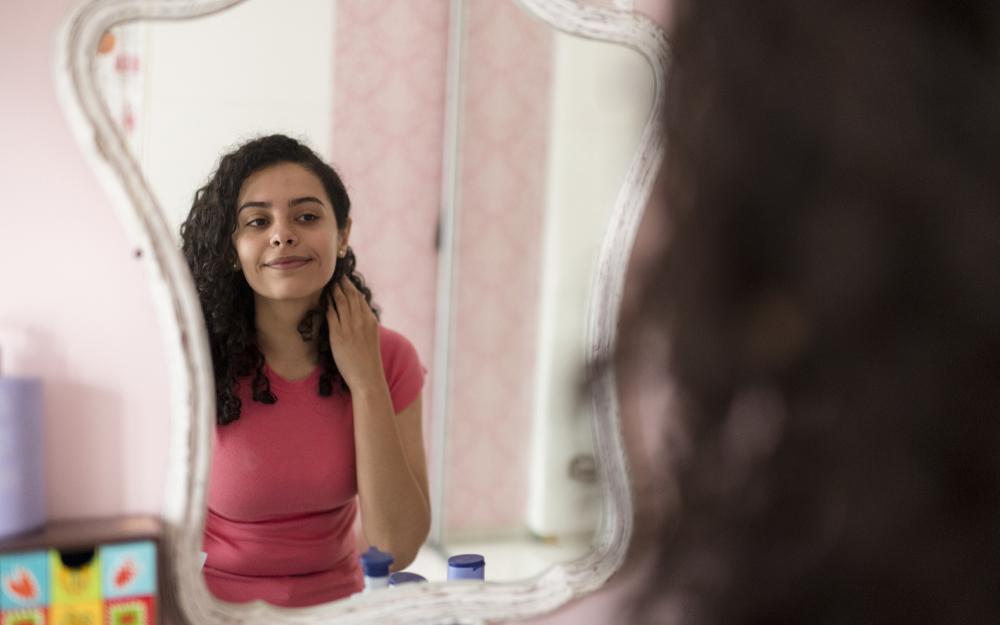
“They look in the mirror and only see their acne,” said Jessica Terrell, MD, a Cedars-Sinai pediatric dermatologist. “It can interfere with their studies and extracurricular activities.”
Some teens get skin-care tips from their friends or social media influencers, but that advice may not help and could even make acne worse.
Instead of following an influencer’s beauty regimen to decrease the frequency or intensity of breakouts, teens should find out what a dermatologist would recommend, whether on social media or in the clinic.
Common Myths About Acne
Dermatologists won’t share misinformation about acne. They’re trained to treat the condition. They can control stubborn acne that doesn’t respond to initial treatments, including severe acne that causes scarring.
A dermatologist can also dispel common myths about acne, including:
Myth: Scrubbing your face will help get rid of your acne.
Truth: Being too rough actually can irritate the skin, making acne worse.
“We always advise against physical exfoliants, like scrubs or washes with microbeads, because they can be too harsh on the skin,” Pan said. “Chemical exfoliants, like salicylic acid, can be a better way to get some exfoliating action, rather than physically scrubbing.”
Myth: Pimple-popping is a good way to clear your complexion.
Truth: Popping pimples can lead to infection or permanent scarring.
“The more you manipulate your acne, the higher your risk for scarring,” Terrell said. “We have medicines that can cure acne, but once scars form, that is harder to address.”
Myth: Makeup causes pimples.
Truth: Clogged pores can contribute to acne, but proper use of noncomedogenic makeup won’t clog pores.
“I don’t discourage people from using makeup, because it makes people feel good,” Pan said. “But never sleep in your makeup. It’s very important to wash it off at night. It can be occlusive, blocking pores.”
Myth: If you eat junk food, it can make your skin break out.
Truth: The food you eat doesn’t directly cause acne.
“While diet does play a role, a person can have the most perfect diet and still have severe, scarring acne,” Terrell said. “Diet is just one piece of the picture in what causes acne.”
When to Seek Help for Your Teen’s Acne
When acne is tricky to treat, it can frustrate teens and parents alike.
“Parents may feel helpless as their teens try different over-the-counter products,” Terrell said, “but it often takes stronger, prescription-strength treatments to clear acne.”
You may not be sure exactly when to bring your teen to the dermatologist. Take cues from your child and observe their emotional reactions to their acne or physical appearance.
“If your child is self-conscious about their acne and you’ve exhausted the over-the-counter options, you should see a doctor,” Pan said. “Or, if you start to notice scarring, that’s when you should take your child for an assessment. If there’s scarring while your child is young, there probably is going to be more scarring over the next few years if the acne is uncontrolled.”
Although it’s ideal to seek treatment before acne causes scarring, it isn’t too late for your teen to see a dermatologist after they develop scars on their skin.
“Don’t feel helpless if you already have scarring,” Terrell said. “Acne is more difficult to treat once scarring happens. However, we have many ways to address it.”
Frequently Asked Questions
What’s the best treatment for acne?
The best acne treatment varies from person to person. Avoid harsh, physical exfoliants and scrubs, which can irritate the skin and make acne worse. Be sure to wash makeup off before bedtime. Try over-the-counter remedies to keep the skin clean and treat existing breakouts.
Is it OK to pop pimples?
Doctors advise against popping pimples, which can lead to infections and permanent scarring. The more you manipulate your acne, the more likely you are to cause scarring.
When should I seek a doctor’s advice to address acne?
Some acne requires prescription-strength treatments to clear. If acne is causing self-consciousness or over-the-counter products aren’t working, consider seeing a doctor. Ideally, it’s best to seek treatment before scarring starts. If there is already scarring, it is likely to get worse if the acne isn’t controlled.