Personalizing Disease Prevention From Birth
Date
January 19, 2026

Date
January 19, 2026
Medical providers featured in this article
In Brief
- Cedars-Sinai Guerin Children’s is launching a groundbreaking clinical trial that will measure the genomes, biology and clinical health of 1,000 neonatal intensive care unit patients. Researchers will follow the cohort to school age in the longest, most in-depth study of its kind to date.
- In parallel, an expansive Pediatric Intensive Care Unit effort is set to chart older patients’ genomes and cellular landscapes.
- The Predictome™ Project is a shift away from the reactive approach to preventive medicine. By examining disease origins, pediatricians could determine who is at risk for specific diseases and intervene sooner.
Diseases that first emerge decades into a life may have their first biological clues at birth.
In search of such indicators, Cedars-Sinai Guerin Children’s is entering a new era of preventive medicine. Researchers are embarking on a vast undertaking to define, detect and reverse disease before it ever takes root. Leaders of the initiative endeavor to transcend reactivity with the goal of avoiding sickness and suffering.
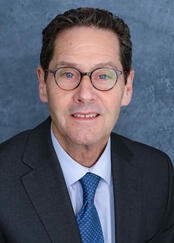
“With the Predictome™ Project, we are embracing the view that we can predict health problems across the life course and become the home of preventive medicine,” said David Rowitch, MD, PhD, deputy director for Basic and Translational Research at Cedars-Sinai Guerin Children’s.
An unprecedented trial will soon begin: Investigators are set to chart the entire genomes and cellular landscapes of thousands of neonatal intensive care unit (NICU) patients across three continents while also tracking the patients’ physical and mental health through childhood. Funded by the Wellcome Trust, the Babies Longitudinal ’Omics, Outcomes and Milestones Study (BLOOMS) includes children from the United Kingdom, Singapore and the United States, weaving together diverse biomarkers with other innovative measures of wellbeing. The Guerin Children’s team aims to shed light on the impact of critical illness on education and how school readiness affects overall wellbeing through following a cohort of 1,000 infants to school age in the most sustained study of its kind in the U.S.
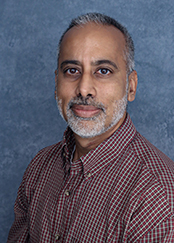
A parallel effort in the Pediatric Intensive Care Unit (PICU) at Cedars-Sinai Guerin Children’s, led by Mustafa Khokha, MD, further explores the unique genomic, proteomic, microbiomic and other “omic” signatures of older children who have serious diagnoses, including congenital anomalies.
These small, medically fragile patients together offer a cradle of untapped insights into the complex intersection of cellular, environmental and clinical disease origins. An estimated 10% to 25% of critically ill children could have an undiagnosed genetic condition.
Scientists will leverage major advances in genomics, regenerative medicine and AI that enable them to pool and rapidly analyze massive amounts of data across time. Project leaders hope to discover novel biomarkers and therapeutic targets and ultimately transform health span for at-risk children.
Safeguarding Vulnerable Children
According to a recent JAMA analysis, chronic conditions such as asthma, diabetes and obesity affected 31% of 3- to 17-year-olds in 2023—an increase from 25.8% in 2011. These conditions comprise nearly half of pediatric health system cases. Overall, children are sicker and feel lonelier and more depressed than ever recorded before.
At the same time, congenital anomalies and genetic diseases can be lethal in childhood and are a significant cause of infant death in the U.S. Rare, inherited disorders collectively affect as many as 1 in 17 people (approximately 2.3 million people in California).
Guerin Children’s aims to capture these crucial cases, which are too often missed until patients experience a sudden heart, lung or brain emergency or undertake a yearslong “diagnostic odyssey” during which they cycle through multiple specialists. Many of the molecular, metabolic and genetic underpinnings that cause among 10,000 rare diseases and anomalies, such as craniofacial malformations, are still shrouded in mystery.
“If you don’t know the molecular diagnosis, you’re just treating the symptoms,” said Khokha, who is also director of Guerin Children’s new Genetics Research Center and is leading the PICU genome-sequencing effort. “We find over and over that critically ill pediatric patients with the same conditions respond differently to therapies; we strongly suspect that’s because they have different underlying causes for their disease.”
Cedars-Sinai’s pediatric and neonatal collaborators are at the forefront of identifying underlying drivers, such as stress-induced protein alterations in the womb, glial cell abnormalities and embryonic developmental errors in left-right heart chamber differentiation. Research by Rowitch and Khokha has uncovered crucial contributors to congenital heart disease and overlapping neurodevelopmental conditions.
A Personalized Prevention Model
The ambitious Predictome Project marries these trials with the Guerin Children’s Early Detection Program, led by Saquib Lakhani, MD, and translational research across the institution, including in Cedars-Sinai’s landmark new Center for Genomic Medicine and Board of Governors Innovation Center.
Together they aim to diagnose not only disease and its source, but also future risk, and then tailor therapeutic interventions. Cedars-Sinai will simultaneously advance drug discovery along with innovative gene and cell therapies.
This strategy ensures patients with severe genetic disorders—for example, sickle cell anemia or a condition such as epilepsy, which is now linked to more than 500 genes—are immediately matched with the most effective, safe therapies from disease onset.
With the Predictome Project, we are embracing the view that we can predict health problems across the life course and become the home of preventive medicine.
Beyond genetic and biological sequencing, the Predictome Project seeks to identify who may be most at risk for disease and would benefit from earlier intervention. This flagship study will incorporate real-time data from wearable devices and apps, psychological assessments, and educational outcomes.
As children grow, monitoring could recognize otherwise healthy patients who may be susceptible to a specific disease or already harboring the seeds of a threatening condition.
Resulting data could ultimately guide physicians to, for example, implement cholesterol screening and statins during the likely genesis of mid-life cardiovascular disease—adolescence. If a patient is later diagnosed with heart disease or has an entirely unrelated illness, physicians will be equipped with a complete picture of their genes, biology and medical history. That could inform physicians in prescribing more precise, less harmful treatments.
Overcoming Genetic and Genomic Medicine Bottlenecks
Cedars-Sinai leaders emphasize that their preventive medicine approach requires a culture shift toward urgency in making childhood diagnoses.
Further, a multitude of access barriers, including insurance coverage and healthcare siloes, significantly delay genetic screening or place it firmly out of reach for many, said Cedars-Sinai Chief Genomics Officer Joyce So, MD, PhD.
Informed consent also presents complex ethical considerations.
To So, who directs both the Center for Genomic Medicine and Division of Medical Genetics, such challenges “light the fire to pursue these research initiatives, which will feed back into pushing the boundaries of diagnostics and therapeutics.”
“We must mainstream and democratize genomic medicine if we are to have the greatest impact for the greatest number of patients,” she said.
A Rosetta Stone for Disease Prevention and Treatment
Over the next two years, investigators will partner closely with the Department of Obstetrics and Gynecology to introduce genome mapping into Cedars-Sinai’s lifelong continuum of care.
Khokha envisions an extension of this groundbreaking approach to the more than 7,000 infants born at Cedars-Sinai each year, building a case for statewide or even national screening. A broader scope could reveal thousands of new genes, proteins or patterns implicated in the most puzzling, pressing conditions, many of which go undiagnosed altogether.
“Through research, we will treat every new patient as an opportunity for discovery, with equally vital benefits for their care,” he said.
Cedars-Sinai experts emphasize that deciphering the rich results and providing education for both physicians and patients are foundational to the preventive care paradigm.
Researchers have connected about 7,000 of the 20,000 genes to disease. Within them are millions of encoded messages that can fluctuate in a lifespan. While medicine can now name the full sequence, it can only explain around 2% of its function.
“We are not even close to comprehending the implications of our full genome,” So stressed. “To realize its promise, we will need to translate knowledge into action.”