The Human Factor of Artificial Intelligence
Date
April 20, 2023
Credits
Date
April 20, 2023
Credits
Medical providers featured in this article
In Brief
{{cta-block}}
How Can Physicians Continue to Put Patients First in the Age of AI?
Powerful promise hangs in the balance with potential peril as hospital systems integrate artificial intelligence (AI) into research and patient care. Physicians and investigators endeavor to collect exhaustive data—and scrub it clean of bias—to feed clinic-focused machine-learning tools.
AI’s big boom comes with big responsibility to develop fair, accurate algorithms that do no harm. Can scientists harness the revolutionary power of AI while maintaining humanity in healthcare?
{{column-start}}
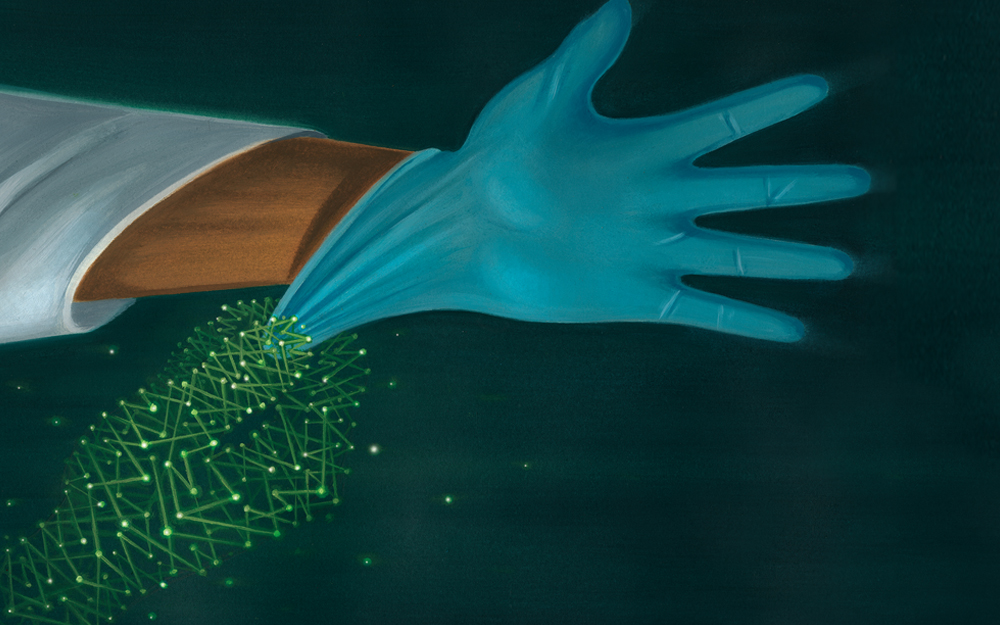
Living in AI’s Endless Summer
AI is a powerful tool poised to be wielded by any physician, coming at the same time healthcare struggles to overcome the disparities created by bias.
{{column-end}}
{{column-start}}

Dr. Tiffani Bright: AI Evangelist and Skeptic
Dr. Tiffani Bright believes in the power of AI in medicine, and she believes developers should wield this powerful tool to support health equity.
{{column-end}}
{{column-start}}

Reducing Bias in AI Models
A Cedars-Sinai team describes how to train an AI model to reduce bias.
{{column-end}}
{{column-start}}

A Better Model of Heart Disease Prediction
Cedars-Sinai investigators are using AI to predict heart disease.
{{column-end}}
{{column-start}}

How to Collect Clean Data
To obtain clean data in healthcare research, AI software should be trained with natural language processing.
{{column-end}}
{{column-start}}
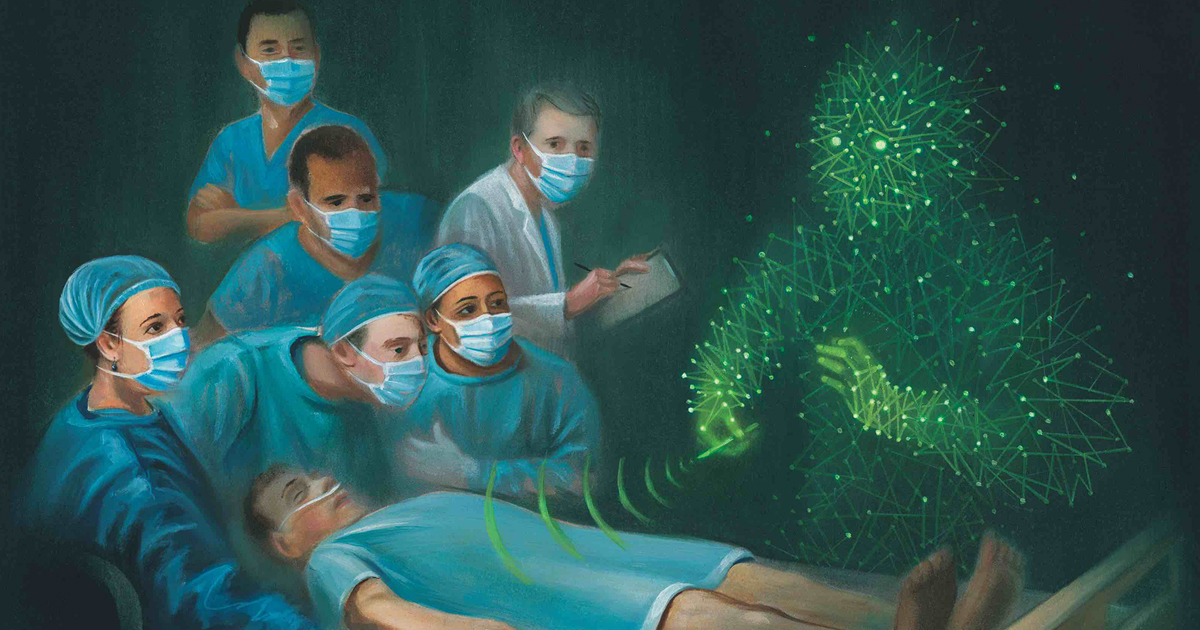
Physician Responsibility in the AI Era
Clinicians should harness the power of AI in research and patient care—but always maintain responsibility for their tools.
{{column-end}}
{{column-start}}
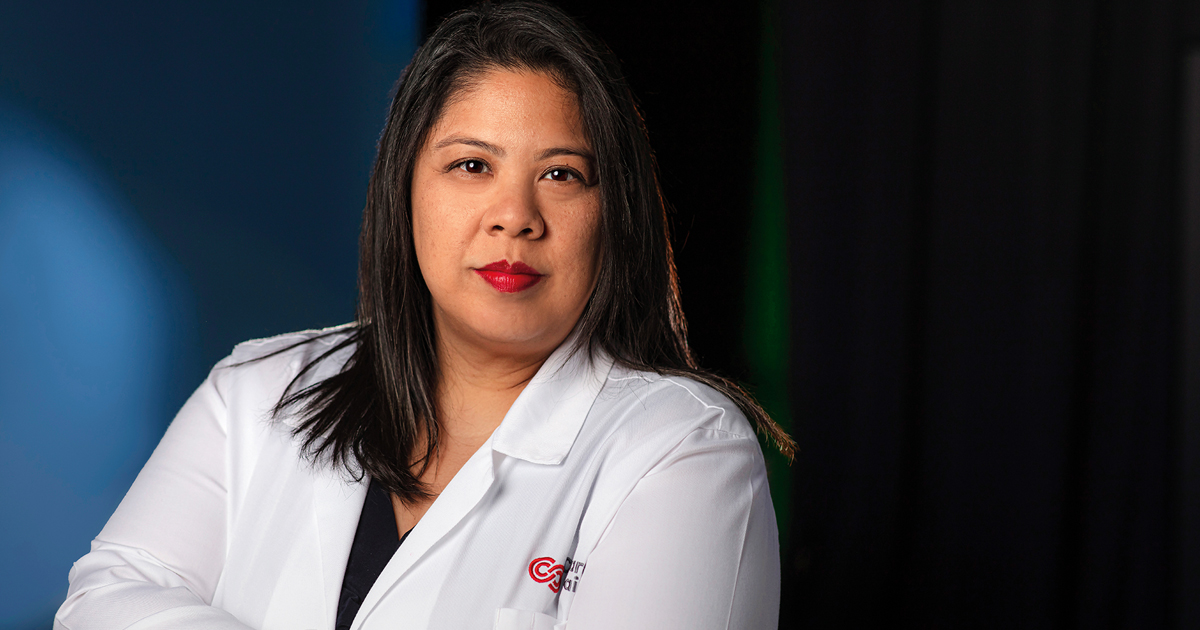
Machine-Learning Model Predicts Birth Method
Birth and maternal outcomes are a serious area of health outcome disparity in the US. An AI tool aims to better predict who is going to deliver vaginally and who will have a C-section, potentially reducing unnecessary C-sections.
{{column-end}}
{{column-start}}
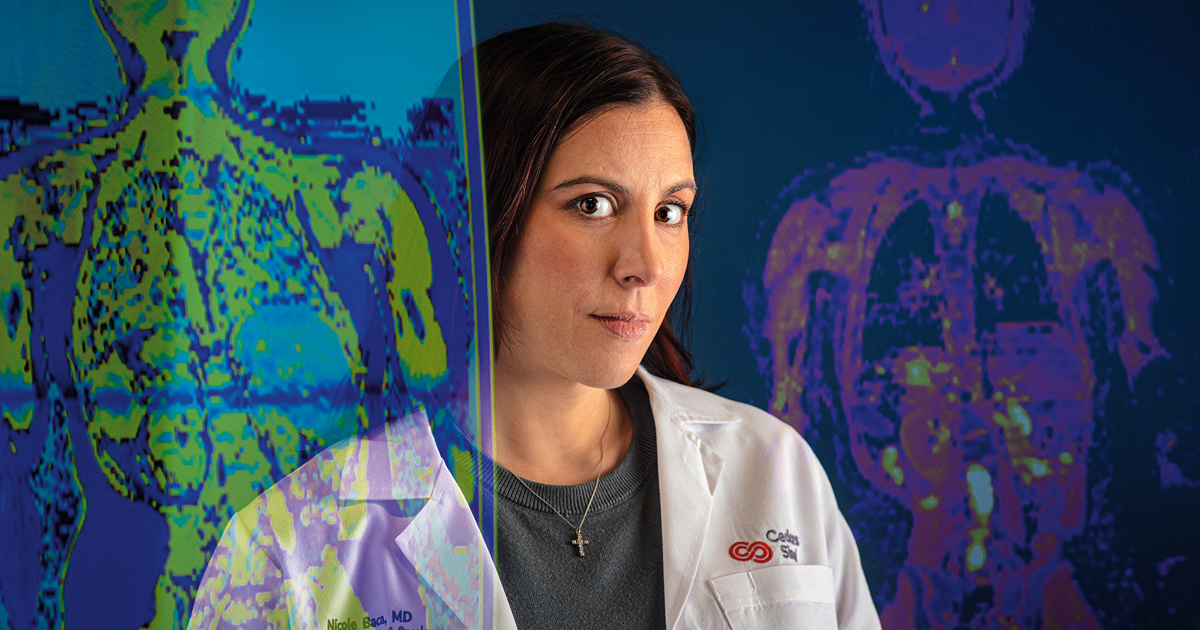
AI Predicts Cancer in Children
Scientists are using AI to predict cancer in children.
{{column-end}}
{{column-start}}
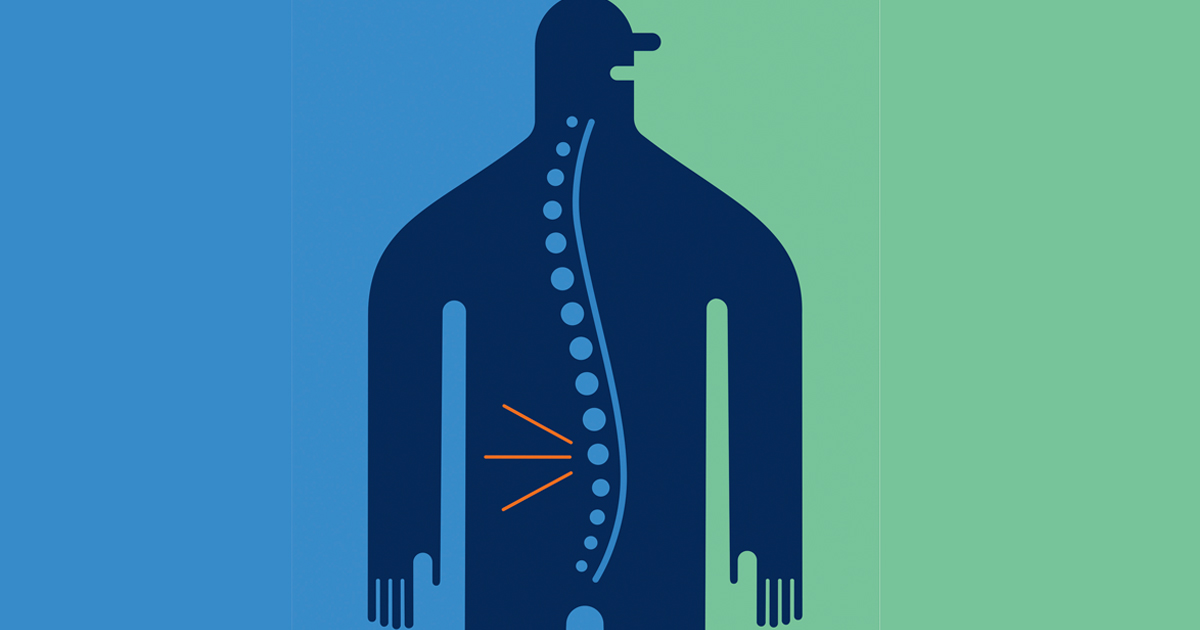
AI Predicts Opioid Addiction
Cedars-Sinai investigators are employing machine-learning tools to predict opioid dependency after spine surgery.
{{column-end}}
{{column-start}}
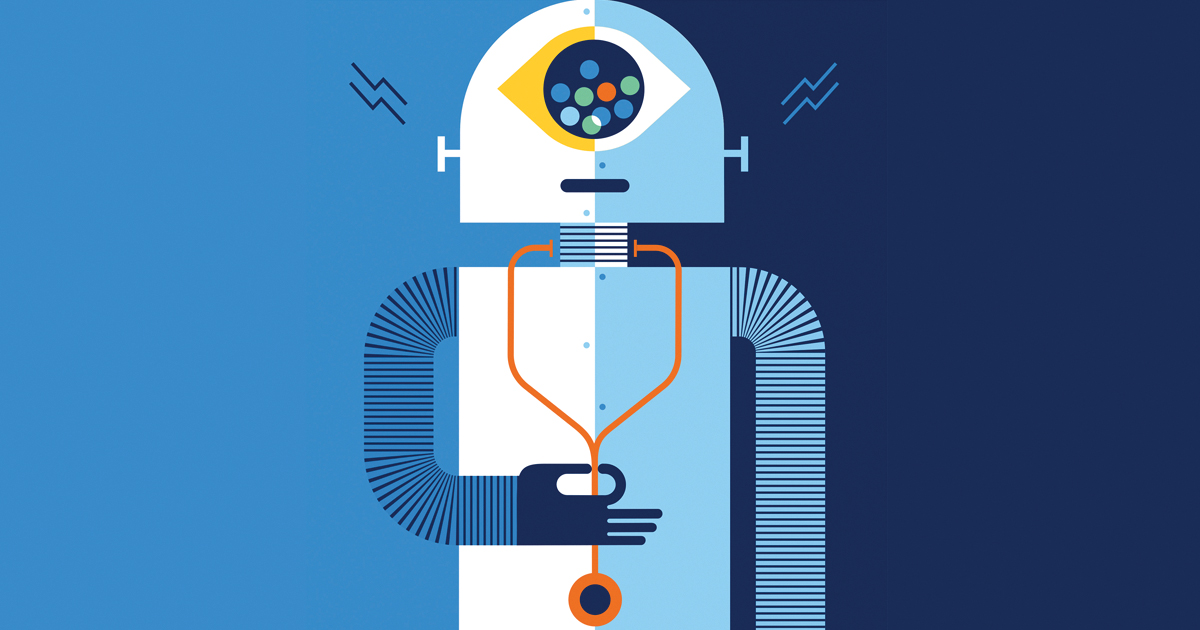
AI’s Ascendance in Medicine: A Timeline
The 1970s saw scientists begin to explore AI in medicine. Less than a century later, the technology has proliferated.
{{column-end}}