AFib Catheter Ablation Offers Chance at a Medication-Free Future
Date
July 23, 2026

Date
July 23, 2026
Medical providers featured in this article
In Brief
- Women have a 50% higher risk of developing atrial fibrillation (AFib) than men.
- Claudia Huerta, 44, unknowingly developed AFib and attempted to address her symptoms with lifestyle changes.
- Symptoms such as high resting heart rate, exertional dizziness and fatigue persisted, and she was diagnosed at Cedars-Sinai.
- Huerta faced a choice: lifelong medication or catheter ablation.
- Smidt Heart Institute offers the latest technology in AFib detection, treatment and prevention, from smart detection and AI analysis that predicts arrhythmia events to 3D mapping of the atrium and ventricles.
- Huerta chose minimally invasive ablation and went on to lose 80 pounds and compete in her first bodybuilding competition.
Contrary to conventional wisdom, when height and weight are accounted for, women have a 50% higher risk of developing atrial fibrillation (AFib) than men, suggesting prevention and intervention efforts should target patients of both sexes.
This statistic became personal for Claudia Huerta (44) of Maywood, California, when she began experiencing dyspnea, fatigue and palpitations. Initially attributing her symptoms to pandemic-related stress and lifestyle changes, she began exercising and improving her diet at her primary care provider’s recommendation.
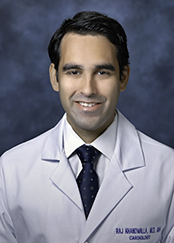
Upon referral for persistent high resting heart rate, exertional dizziness and fatigue despite early changes, cardiologist Raj Khandwalla, MD, director of Digital Therapeutics at the Smidt Heart Institute at Cedars-Sinai, diagnosed Huerta with hereditary paroxysmal AFib/flutter (13% burden).
{{providers}}
Despite attempts to manage the diagnosis with exercise, weight loss and elimination of alcohol, her AFib and elevated stroke risk persisted. Huerta faced a choice: lifelong blood thinner and antiarrhythmic medications or AFib/flutter catheter ablation.
Claudia is the definition of motivation. She has some true grit. Her eyes were set on transforming her life and competing as a fitness model, and she achieved it all. My job was the easy part. Her end of the bargain was much, much more challenging.
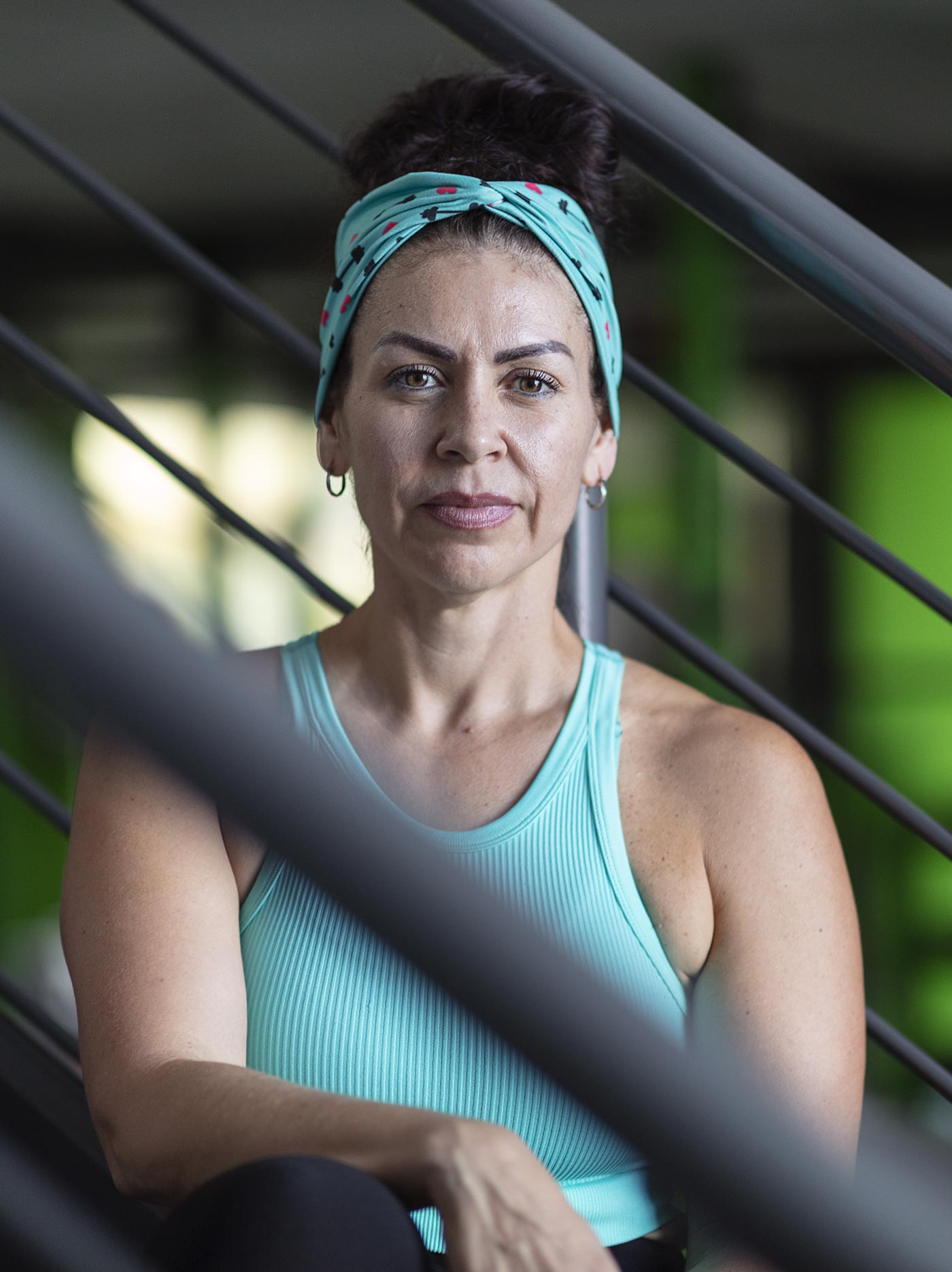
“Alcohol was no longer worth it to me, nor was eating poorly,” said Huerta. “I had an opportunity to continue the amazing transformation my body was on and undergo a one-time procedure that would keep me medication-free. The decision was easy.”
A Minimally Invasive Solution
The Smidt Heart Institute offers the latest technology in AFib detection, treatment and prevention, from smart detection and AI analysis that predicts arrhythmia events to 3D mapping of the atrium and ventricles. During catheter ablation, electrophysiologists use either radiofrequency energy, a freezing balloon (cryoablation) or pulsed electrical field ablation (PFA) to destroy the areas of heart tissue that may cause AFib.
{{cta-block}}
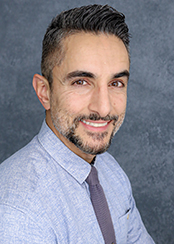
“With an ablation procedure, there’s no cutting into the body—it’s all minimally invasive,” said cardiac electrophysiologist Ashkan Ehdaie, MD, associate professor of Cardiology and associate director of the Clinical Cardiac Electrophysiology Fellowship Training Program at Cedars-Sinai. “Patients can usually go home the same day and eventually stop their AFib medications. However, a healthy lifestyle is also important to prevent the condition in the long haul.”
Huerta’s ablation was completed in November 2021 with no complications.
Just one month after the procedure, she was back at work and the gym, but with a new goal in mind: competing in her first bodybuilding competition.
“I was committed to competing without supplements or muscle enhancers—just hard work and dedication,” said Huerta of her decision to body build competitively.
She took home both a first and second place medal in her first competition.
Now a few years out, Huerta has lost 80 pounds, remained free of AFib, discontinued all cardiac medications and continues annual follow-up. For Khandwalla and Ehdaie, Huerta’s journey has been an inspiration to watch firsthand.
“Claudia is the definition of motivation. She has some true grit,” said Ehdaie. “Her eyes were set on transforming her life and competing as a fitness model, and she achieved it all. My job was the easy part. Her end of the bargain was much, much more challenging.”