Heatstroke and Heat Exhaustion: What You Need to Know
Date
July 2, 2026
Credits
Date
July 2, 2026
Credits
In Brief
You may not feel it, but right now your body is hard at work to maintain a healthy temperature: warm enough to ward off infections, cool enough to maintain your metabolism.
When it's hot out, it's important to keep that healthy temperature stable. Hot weather isn't just uncomfortable—it can be dangerous.
More than 700 people across the U.S. die from extreme heat each year, according to the Centers for Disease Control and Prevention.
You don't necessarily have to be doing strenuous exercise outside to develop heat exhaustion or heatstroke. Being in a hot, unventilated room is enough to trigger these conditions, as the temperature can be even hotter than outside. Children and older people are especially vulnerable.
The first step to keeping yourself safe is knowing the signs of heat exhaustion and heatstroke.
{{cta-block}}
Heat Exhaustion Symptoms
Heat exhaustion is the precursor to the more serious condition of heatstroke. It is a direct result of the body overheating.
"If you stop exercising and you keep sweating, that's the clue. Get out of the heat," said Phil Booth, a nurse and educator in the Cedars-Sinai Emergency Department.
The symptoms of heat exhaustion include:
- Heavy sweating
- Rapid pulse
- Dizziness
- Fatigue
- Cool, moist skin with goose bumps while in a warm environment
- Muscle cramps
- Nausea
- Headache
When these symptoms kick in, get out of the heat immediately and rest. Drink water or a sports drink. Try to cool down by taking a cool shower, soaking in a cool tub or putting cold towels on your skin. Also, loosen your clothes and remove any unnecessary or tight clothing.
Heatstroke Symptoms
Heatstroke is more serious and requires immediate medical attention. Call 911 if someone is experiencing heatstroke.
The symptoms of heatstroke include:
- High body temperature, but no sweating
- Blurred or double vision
- Headache
- Muscle cramps
- Vomiting
- Nausea
- Dizziness
- Hot, dry, flushed skin
- Delirium and loss of consciousness can occur as condition progresses
Once you've called 911, remove the person's clothing and sponge them down with cool water or put them into a cool bath. Continue this until their temperature decreases, and never try to give water or other fluids to someone who is unconscious.
Call 911 if someone is experiencing heatstroke.
People don't recover quickly from heatstroke. While the key is bringing body temperature down, the body's regulatory system can be thrown out of whack and take a long time to recover.
Preventing Heat Exhaustion and Heatstroke
The following tips can help you stay safe when the temperature rises.
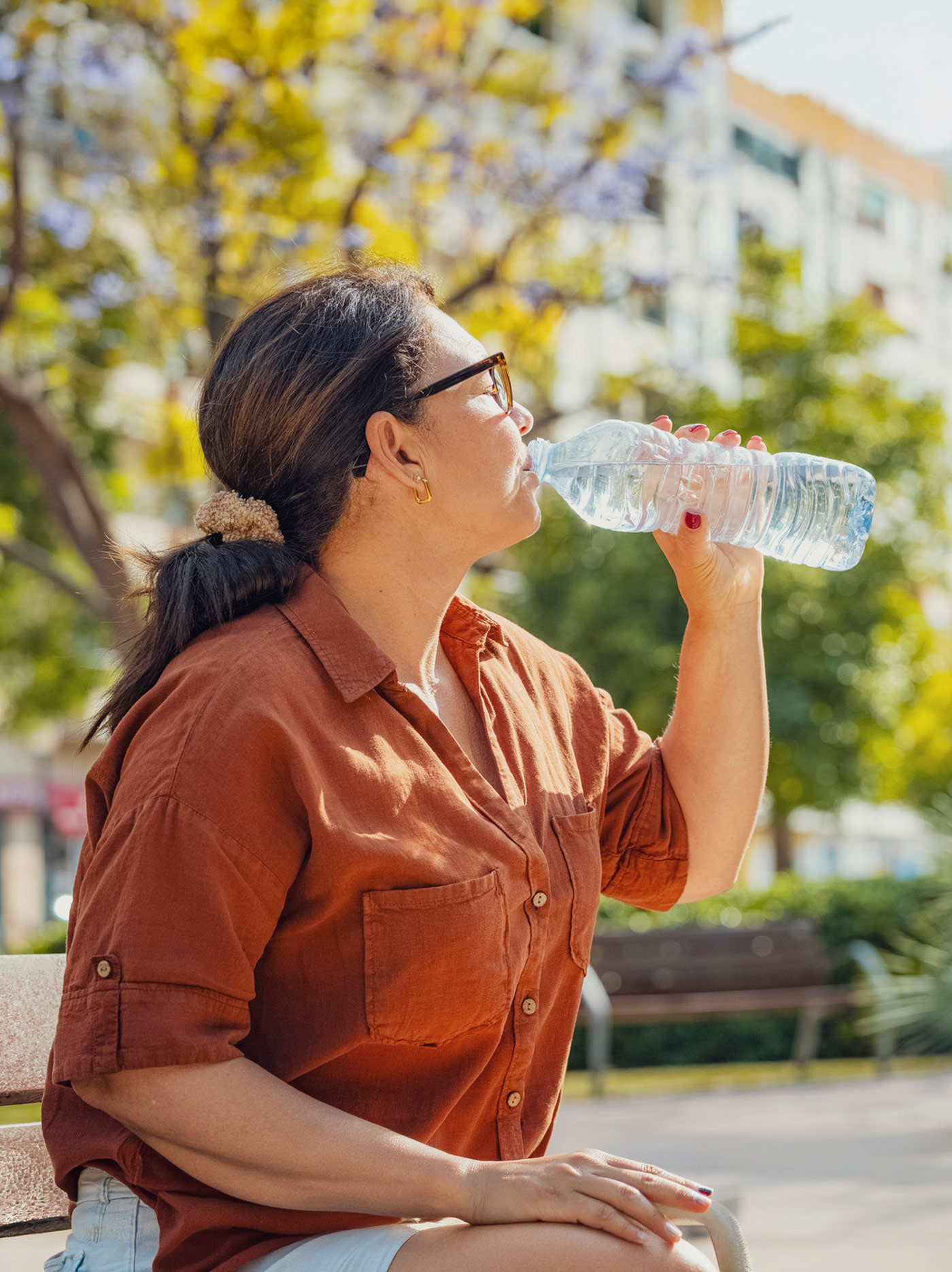
- Stay hydrated. Drink plenty of water, even if you don't feel thirsty. If you're out working or playing in the heat, consider having a sports drink to replace the salt and electrolytes in your blood stream.
- Don't leave anyone in a parked car. Even on an 88 degree day, the inside of the car can spike to well over 100 degrees in a relatively short period of time.
- Stay out of the sun during the hottest part of the day, typically from 10 a.m. to 3 p.m.
- Reduce outdoor physical activity on hot days.
- When going outside in hot weather, wear a wide-brimmed hat and loose-fitting clothes in light colors.
- Wear sunscreen with an SPF of 30 or higher if you go outside in the sun, and reapply every two hours.
- If you don't have air conditioning in your home, seek out local cooling centers, a mall or a movie theater that does.
- Avoid diuretics, such as alcohol and caffeine, on hot days.
- Check on your neighbors. Older adults, young children and people with medical conditions may be at greater risk in hot weather.
- Don't forget your pets! Make sure they have plenty of fresh water and somewhere cool to wait out the hot weather.