Generic vs. Brand-Name Drugs: What's the Difference?
Date
June 25, 2019
Credits
Date
June 25, 2019
Credits
In Brief
{{cta-block}}
There’s a lot of debate and head-scratching about generic vs. brand-name medication.
Are generics really as effective?
What’s the difference between the two?
When is one preferable over the other?
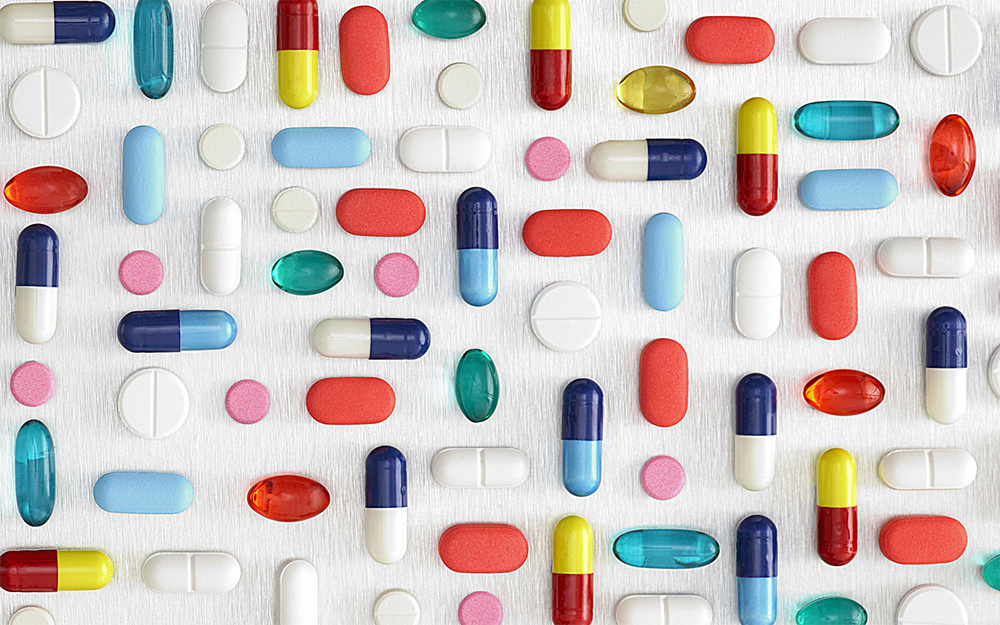
Generic drugs can look quite different than their brand-name counterparts, despite having the same active ingredient, strength, uses, form, route of administration, and labeling.
We asked pharmacist Tattika Soreta, pharmacy program coordinator, to share answers to these and other common questions about generic vs. name-brand drugs.
NO. Generic drugs usually become available after patents protecting a brand-name medicine expire. “Not all patents are on the same timetable,” Tattika says, “so it can take longer for some drugs to have a generic equivalent.”
YES. Generic products go through an approval process and the FDA ensures they are continually monitored for safety, efficacy, and quality. It also investigates any problems or complaints, and when needed, will issue recalls both for brand-name and generic drugs.
YES. By law, the pharmacist has to fill the prescription the way it’s written, so if the doctor writes “Do not substitute,” that will be honored. But keep in mind that generic drugs go through rigorous testing and are as effective and safe as the brand-name original.
YES. Because studies and trials don’t have to be repeated to make generic drugs, they cost less than their brand-name counterparts. “Also, multiple manufacturers can apply to market the same generic drug, which creates competition to lower prices even more,” Tattika adds.
NO. For medicines classified as “narrow therapeutic index drugs”—such as certain antiseizure medicines—it could make sense to stick with a brand-name drug if the doctor recommends it. For other patients, a generic may work perfectly, though they should be carefully monitored.
NO. There are a lot of medicines out there, and it’s hard for doctors to know when new generics come on the market—let alone which ones are covered by insurance immediately after they are released. If doctors don’t specify that the patient must get the brand-name product, pharmacists in California are allowed to substitute a generic as long as they tell the patient.
NO. Again, there are many medicines on the market, and doctors usually don’t know what they cost—although they might be made aware by patients who can’t afford their copays.
NO. Generic drugs can look quite different than their brand-name counterparts, despite having the same active ingredient, strength, uses, form, route of administration, and labeling.
YES. Generic drugs have saved the US healthcare system $1.67 trillion in the last decade. According to Tattika, Medicare savings amounted to $77 billion and Medicaid savings of $37.9 billion.
YES. In the US, generics account for 89% of prescriptions dispensed—but only 26% of total drug costs.
For more information about generic medicines, contact your doctor, pharmacist, or other healthcare provider. You can also consult the FDA Generic Drugs Program.