Should I Get the Shingles Vaccine?
Date
October 15, 2018
Credits

Date
October 15, 2018
Credits
In Brief
{{cta-block}}
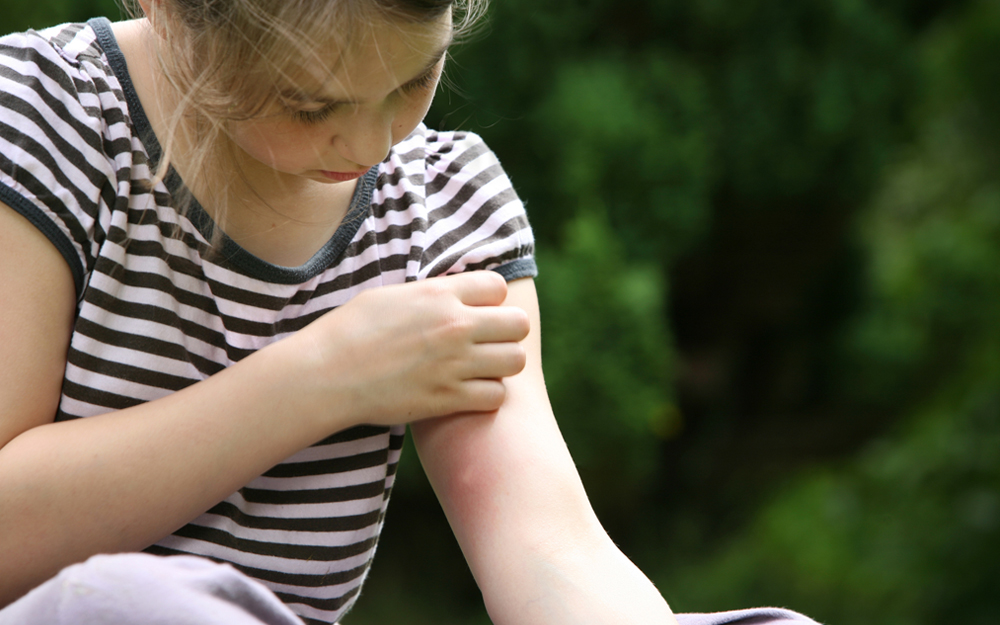
Many of us remember when chickenpox kept us home from school, as we itched the bumps on our skin and laughed as our siblings broke out in the same rash.
Think of shingles as the grown-up version of chickenpox—only this time the rash is more painful than itchy and causes an intense burning sensation that lasts 2-4 weeks. In more serious cases, the pain can last for months.
Shingles is caused by a reactivation of the varicella zoster virus—the same virus that causes chickenpox.
In 2017 the Food and Drug Administration approved a new shingles vaccine called Shingrix.
To learn more about shingles and the Shingrix vaccine, we talked to Dr. Cara Stalzer, an internal medicine physician at Cedars-Sinai's Playa Vista location.
Dr. Stalzer: Shingles can cause a severe, and often debilitatingly painful, rash that can occur anywhere on the body. Severe complications can occur if the outbreak involves the eye or ear. The most common complication is postherpetic neuralgia (PHN), which causes prolonged—and often severe—pain.
Shingles is caused by a reactivation of the varicella zoster virus—the same virus that causes chickenpox.
Individuals who are immunocompromised may develop disseminated zoster, which can affect the internal organs and is potentially fatal.
Shingrix is 91-97% effective in preventing shingles and 89-91% effecting in preventing PHN.
Dr. Stalzer: I highly recommend that all people 50 and older get the vaccine, even if they've had the older vaccine Zostavax. Older people are at higher risk for getting shingles—incidence increases with age.
Dr. Stalzer: You should wait to get the vaccine if you have an acute illness. It's ok to get it if you have a common cold, but you should hold off until your symptoms resolve if you have a severe illness.
If you have had an episode of shingles, you should wait 3 years before getting the vaccine. Also, talk to your doctor before getting the second dose if you had a reaction to the first dose of the vaccine.
Dr. Stalzer: The shingles vaccine is appropriate even if there is no known history of the varicella zoster virus.
A patient may have been exposed to the virus without ever experiencing symptoms and a blood test is not always able to determine whether the patient has been exposed to the virus.